OpenAI Gives the Web 10 Days to Adopt WebMCP — and Purists Are Horrified
A coalition of tech giants is dangling massive bounties to end AI screen-scraping overnight, but veteran engineers warn the fix destroys twenty years of architecture.
Right now, if an AI agent wants to buy you two concert tickets, it has to download the entire Document Object Model, take a visual screenshot, perform pixel-coordinate math, and blindly click the screen—praying a pop-up ad didn't just shift the "Buy" button out of the way. It is a fragile, chaotic way to interact with the internet. To fix it, OpenAI and Google are trying to force a new reality into existence overnight.
The 10-Day Sprint to Rebuild the Internet
The proposed solution is WebMCP. Instead of forcing AI to guess its way through a visual interface, websites will harbor a hidden menu of structured actions—like `book_ticket(qty, section)`—that agents can trigger locally in the browser.
To make this the standard, an unprecedented coalition including OpenAI, Google Chrome, Cloudflare, and Shopify just launched the WebMCP Challenge. They have given developers exactly 10 days—from August 25 to September 3—to build the first true human-AI hybrid web apps.
It took years of slow, agonizing debate for developers to standardize responsive design so the web could fit on mobile phones. Today, these tech giants are attempting to standardize the AI-native web in less than two weeks. But rewriting the internet's rulebook at breakneck speed has provoked an immediate, visceral backlash from the people tasked with actually writing the code.
State-Synchronization Hell
For Sarah Drasner, Google Chrome's Distinguished Engineer and a driving force behind the standard, WebMCP is a matter of basic reliability. The current era of bots reverse-engineering user interfaces is a dead end. Providing a clean, standard handshake between websites and agents removes the guesswork.
“If a site can expose structured actions and context directly, the assistant has less guessing to do.”— Sarah Drasner
Veterans of web architecture violently disagree. Because WebMCP staples a Remote Procedure Call (RPC) registry directly onto the DOM, skeptics argue it destroys two decades of standard request-and-response design. On Hacker News, a developer named 'bikeshaving' begged peers not to participate, claiming the protocol forces engineers into "manual state-synchronization hell just to maintain a facade for a screen-scraping LLM."
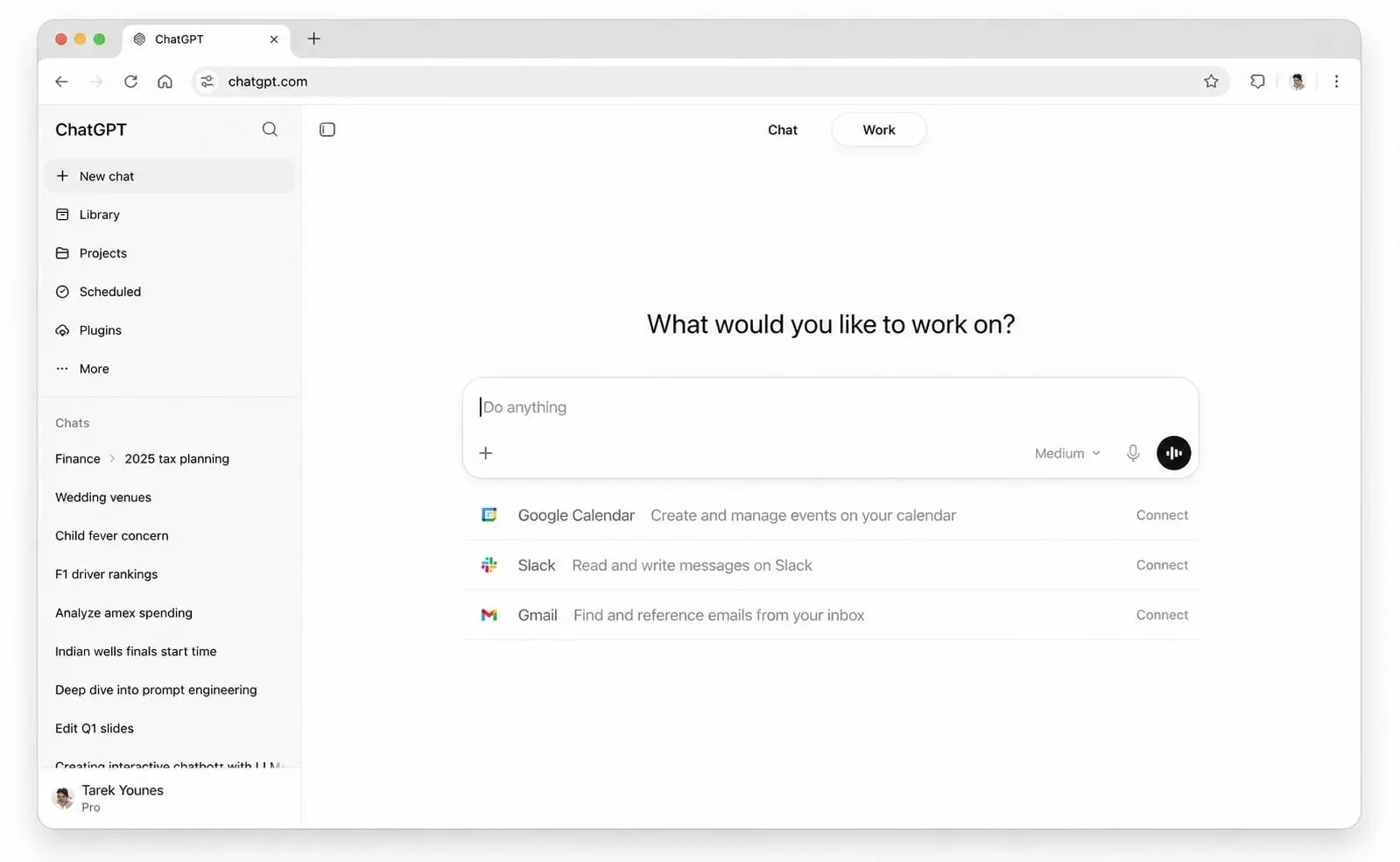
Despite the architectural protests, money and distribution talk. OpenAI updated its ChatGPT desktop app on August 27 to natively read WebMCP tags, meaning sites that adopt the standard immediately gain functional superpowers for millions of AI users. But giving agents the keys to the backend introduces a severe vulnerability.
What people are saying

“WebMCP is an experimental open standard that lets web apps expose tools that agents can use directly on the page to complete tasks faster and more reliably. Curious what new experiences it enables? Take a look at our WebMCP demo showcase:”
“We’re adding support for WebMCP in the ChatGPT desktop app’s built-in browser and ChatGPT Sites. When you visit a compatible website, ChatGPT or Codex can automatically use it to complete your task. Update to the latest version of the ChatGPT desktop app, then just ask Codex to”
“The WebMCP Challenge is here. We’ve teamed up with @ChromiumDev, @CloudflareDev, @ShopifyDevs, @vercel, @render, and @Netlify for a 10-day hackathon. Up for grabs: $35,000 in cash prizes, Codex Micros, ChatGPT Pro subscriptions, and more prizes from our supporters.”
The 10-Day AI Web Overhaul
More stories