OpenAI Astra Nails Zero-Shot Frontend — and Silicon Valley's "Idea Guys" Are Taking Over
An unreleased internal build is bringing the cost of flawless software architecture down to pennies, threatening to commoditize execution entirely.
For decades, the non-technical visionary who pitches brilliant apps but can’t write a single line of code has been the ultimate punchline in Silicon Valley. Today, they might be inheriting the industry. An unreleased internal build of OpenAI’s next-generation model Astra—leaked this week under the codename <mozaik-alpha-fdm>—has reportedly collapsed the barrier between human thought and production-ready frontend code. By generating flawless, complex web interfaces on the first try, the model is forcing a brutal inversion of tech's oldest hierarchy.
The Reasoning Engine Turns Visual
Earlier this month, OpenAI’s internal Astra models quietly solved 10 long-standing open theorems in higher mathematics.
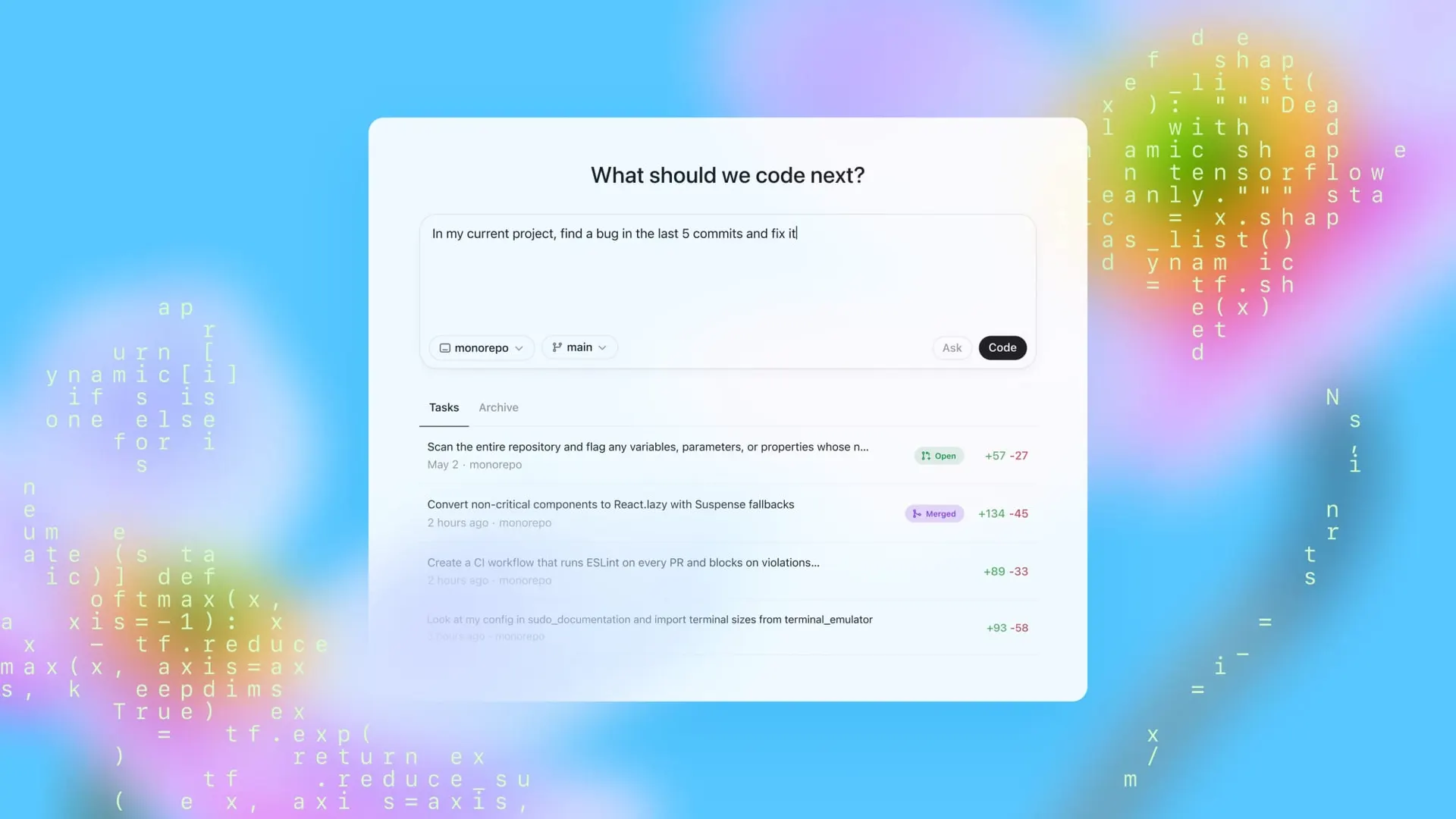
To put that in perspective, the system performed the equivalent labor of a tenured university mathematics department for the price of a used MacBook. Now, OpenAI is pointing that exact same frontier reasoning engine away from abstract math and directly at web development. Operating on a new "Max effort" setting, the <mozaik-alpha-fdm> build architects complete, highly detailed software interfaces on the first attempt. Engineers refer to this ability to generate correct code without iterative prompting as a "zero-shot" success.
The threat is severe enough that competitors are scrambling to counter. Facing Astra’s imminent launch, rival AI lab Anthropic is reportedly accelerating the release of its flagship Fable 5.1 model to lock in developers before OpenAI can capture the market. But the real panic isn't happening in corporate boardrooms.
Revenge of the Pitch Deck
Yesterday, a great app concept was effectively worthless without the engineering talent and capital to actually build it. Hardcore developers who spent years mastering React, state management, and UI physics held the keys to the kingdom. Execution was the ultimate moat.
“This is the first time in history now many idea guys will have edge over the execution guy as this ai can execute what ever you think in reality.”— @chetaslua
Prominent AI insider @chetaslua blew the lid off Astra's internal capabilities with a viral post, declaring frontend development practically "solved." Within hours of the leak, crypto opportunists had already minted a Solana memecoin bearing the mozaik-alpha-fdm ticker. The manic speed of the market reaction highlights how quickly the industry is digesting the shift.
The implication is stark. Non-technical founders with high-level product intuition are suddenly empowered to bypass technical gatekeepers. They can build software directly from their imagination, kicking off a massive wave of hyper-lean startups. Yet for the engineers watching their skills face commoditization, a critical defense remains.
The Day 2 Problem
"Solved" is a notoriously dangerous word in software engineering. The skeptics’ strongest argument lies in what happens after the initial code is generated.
Summoning a stunning interactive user interface from scratch via an AI prompt is a magical parlor trick. Modifying, debugging, and maintaining a 500,000-line legacy enterprise codebase with complex backend integrations is a completely different discipline. Non-technical founders notoriously lack the vocabulary to know what to ask for when edge cases, security vulnerabilities, or scaling limits inevitably arise.
AI models like Astra will not replace developers entirely, but they will force a massive elevation in abstraction. The developers who survive will evolve into systems architects and AI operators, treating raw code the way modern programmers treat binary memory allocation. The bottleneck for creating software is no longer how fast you can type, but how clearly you can think.
Astra Inverts Tech Hierarchy
More stories