
Chess.com Strips the Money From Poker — and 20 Million Hands Later, the Casino Model Is Threatened
The platform built a 250-million-user empire on one board game. Now, it’s using Elo ratings to fix the broken economics of card games.
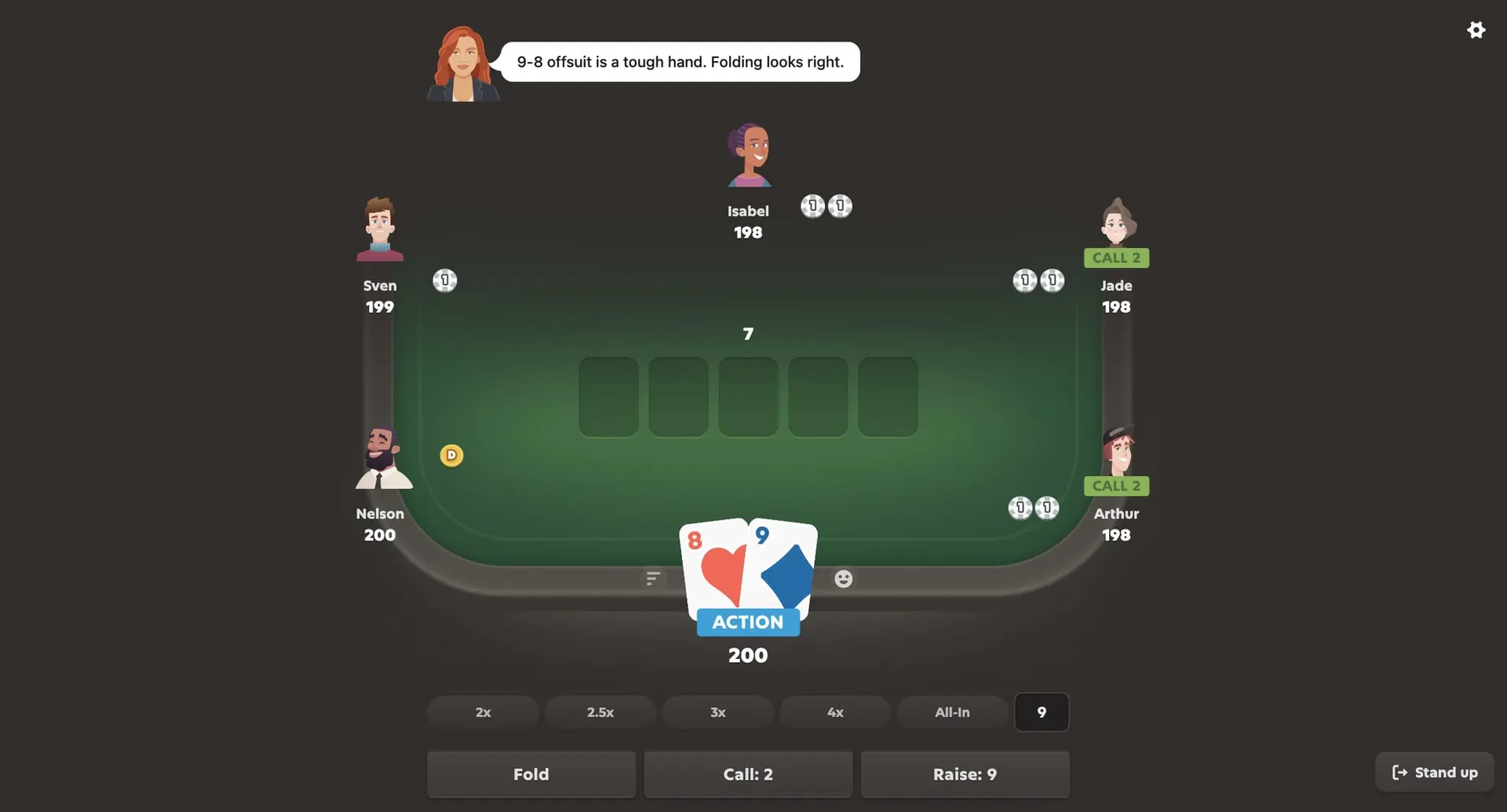
Albert Cheng spent his winter nights and weekends coding a poker site on top of a chess engine. As the Chief Growth Officer of Chess.com, he knew his company had spent twenty years fiercely protecting its singular focus on a 64-square board. But Cheng was tired of the predatory economics of online poker, where learning the game required losing cash to veterans. He pitched his skeptical founders on a heresy: a chess-style poker room where reputation, not money, was on the line.
The $0 Buy-In and the 20-Million Hand Bet
Traditional online casinos run on a grim economic engine. They rely on beginners, derisively called "fish", losing real money to experienced players. If they aren't taking cash directly, they push free apps designed entirely to upsell users on virtual chips. Learning poker has always meant paying a financial penalty just to figure out the math and strategy.
Cheng's side project, quietly launched in beta this May as Gambit, completely decouples the card game from gambling. Instead of risking cash, players risk their Elo rating—the same competitive matchmaking number that governs the chess world. The platform offers daily tournaments, hand reviews, and AI bot personalities to train against.
That volume of play is equivalent to dealing a fresh hand of Texas Hold'em to every resident of New York state, entirely for free. Nearly 75,000 players flocked to the beta, proving a massive appetite for poker played as a pure strategy game rather than a financial one.
“The short version: online poker is broken. All the real-money sites make their money when beginners lose money.”— Albert Cheng
The early numbers convinced founders Erik Allebest and IM Danny Rensch that their playbook for demystifying complex games could jump the fence. But fixing poker’s economics introduces a behavioral problem that has ruined every free site before it.
The Play-Money Paradox

Skeptics argue that poker physically requires financial stakes to function. Without the genuine fear of losing a deposit, players in free games usually make mathematically absurd moves, like shoving all their chips into the middle on every hand. This reckless play destroys the strategic environment that serious players want to practice in.
Gambit’s defense against this chaos is the Elo system. By substituting financial ruin with reputation ruin, the platform incentivizes players to fold bad hands and play mathematically sound poker. It is a psychological experiment as much as a software launch, testing if digital status is a strong enough deterrent to keep people from playing foolishly.
Early app reviews reveal some friction, with serious players still frustrated by occasional reckless opponents. There is also the unresolved question of how the platform sustains itself. Gambit features no gambling rake and no token sales, and converting poker players into paying subscribers for analytical tools is entirely untested ground. Yet, the team is already looking past the card table.
What people are saying

“I started playing poker in 2006-2007 when I was in college. Deposited $50 with my mom's card, and made 100K during my first year, playing almost entirely cash games from NL5 to NL1K. It was a different time, rake was lower and the fields were much easier to beat. I decided to go”

“So fun to play a legend heads up on high stakes poker and somehow come out alive!! Down on the week but within striking distance of a comeback and having a blast!! 2 more days let’s effing battle!! #HookEm”
Rewiring Online Poker's Economics
More stories