Apple Shatters the 2nm Barrier With the M6 Mac Mini
Tim Cook's final hardware launch turns the desktop into an autonomous, localized AI server using unprecedented transistor density.
Today, Apple shadow-dropped a piece of computing history: the M6, the world’s first commercially available 2-nanometer processor. Debuting inside a redesigned Mac mini, the new silicon represents a fundamental pivot in how consumer hardware is engineered. This isn't just about rendering videos faster; it’s a calculated strike to pull artificial intelligence out of the cloud and plant it directly onto your desk.
The Physics of 2 Nanometers
Shrinking a fabrication process to 2nm allows Apple to drastically increase transistor density without expanding the physical size or thermal output of the die. It is a milestone that opens the door for desktop-class power to remain in ultra-compact, passively cooled chassis, fundamentally changing the physical limits of hardware engineering.
To manage this unprecedented density, the M6 introduces a brand-new three-tier CPU architecture. Alongside four Performance cores and six Efficiency cores, Apple has introduced two 'Super' cores. This layout marks a breakthrough in resource allocation, ensuring that short, heavy bursts of processing are handled instantly without draining idle power. It is an efficiency philosophy borrowed from smartphones, now weaponized for the desktop.
The Rise of the Local Agent
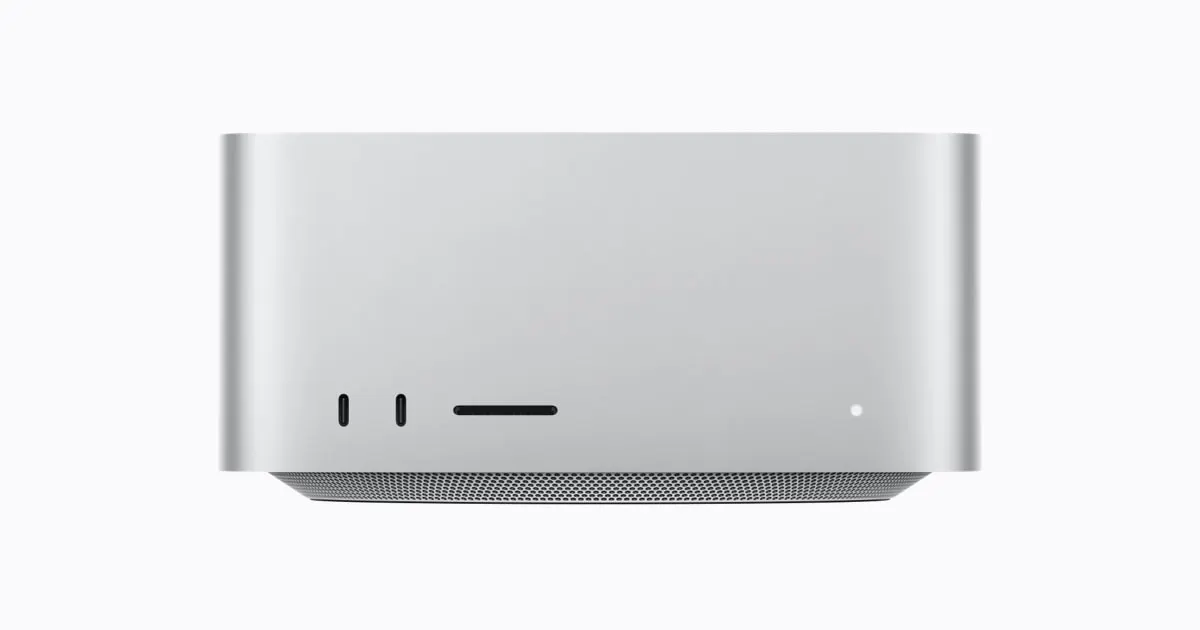
The true headline of the M6 isn't traditional compute—it is hyper-optimized, on-device AI performance. Apple is explicitly marketing the new Mac mini as an 'always-on agentic device.' By clustering Neural Accelerators inside each of the GPU’s 12 cores and utilizing native FP8 processing, the company is giving local AI models lightning-fast prompt processing.
“Mac mini has always been our most versatile Mac... it’s the little Mac that can do it all.”— Johny Srouji
This shift upgrades the system from a single NPU to a Dual 16-core Neural Engine, doubling the peak compute of previous generations. For developers and businesses, this means the ability to run private AI agents around the clock without paying for cloud-based API calls, dealing with latency, or sacrificing data privacy.
A $300 Premium for the Post-Cloud Era
This leap in technology comes with a notable geopolitical and economic price tag. The M6 Mac mini starts at $899, a steep $300 jump from its previous baseline. Apple attributes this to the ongoing global memory chip squeeze, though they have softened the blow by making 16GB of RAM standard rather than an expensive upgrade.
Simultaneously, the supply chain for this new era of silicon is shifting. Apple recently confirmed plans to move Mac mini production to Houston, Texas, in late 2026. While this aligns with domestic manufacturing pushes in the United States, it means early adopters will likely face supply backlogs as Apple flexes its logistical muscle to secure enough global DRAM for launch day.
Tim Cook's Silicon Swan Song
The context surrounding this release carries massive historical weight. With Tim Cook slated to hand the reins to hardware chief John Ternus on September 1, 2026, the M6 serves as his final major product launch. It is a fitting capstone that closely mirrors Apple’s seismic shift away from Intel processors to the M1 chip in 2020.
Just as the M1 proved that ARM-based architecture could dominate traditional x86 chips in efficiency, the M6 proves that the future of computing is no longer just about raw graphical horsepower. By transforming the desktop into a localized neural engine capable of running autonomous agents natively, Apple is locking developers into its custom silicon platform while democratizing high-level AI access. The 2nm era is here, and it is entirely local.
What people are saying

“Apple has introduced the M6 and M5 Ultra. Focus on performance and running AI locally. M6 is Apple’s first chip built on a 2nm process and debuts inside the new Mac mini. It features: • New 12-core CPU with 2 super cores, 4 performance cores and 6 efficiency cores • Up to”


“✨🖥️ Apple dévoile le nouveau Mac mini (M6 / M5 Pro) - Puce M6 : 12 cœurs CPU/GPU, Neural Accelerators intégrés au GPU et Dual 16-core Neural Engine (IA 4x plus rapide, graphismes 2x plus rapides). - Puce M5 Pro : Jusqu'à 18 cœurs CPU, 20 cœurs GPU (ray tracing v3) et 64 Go”
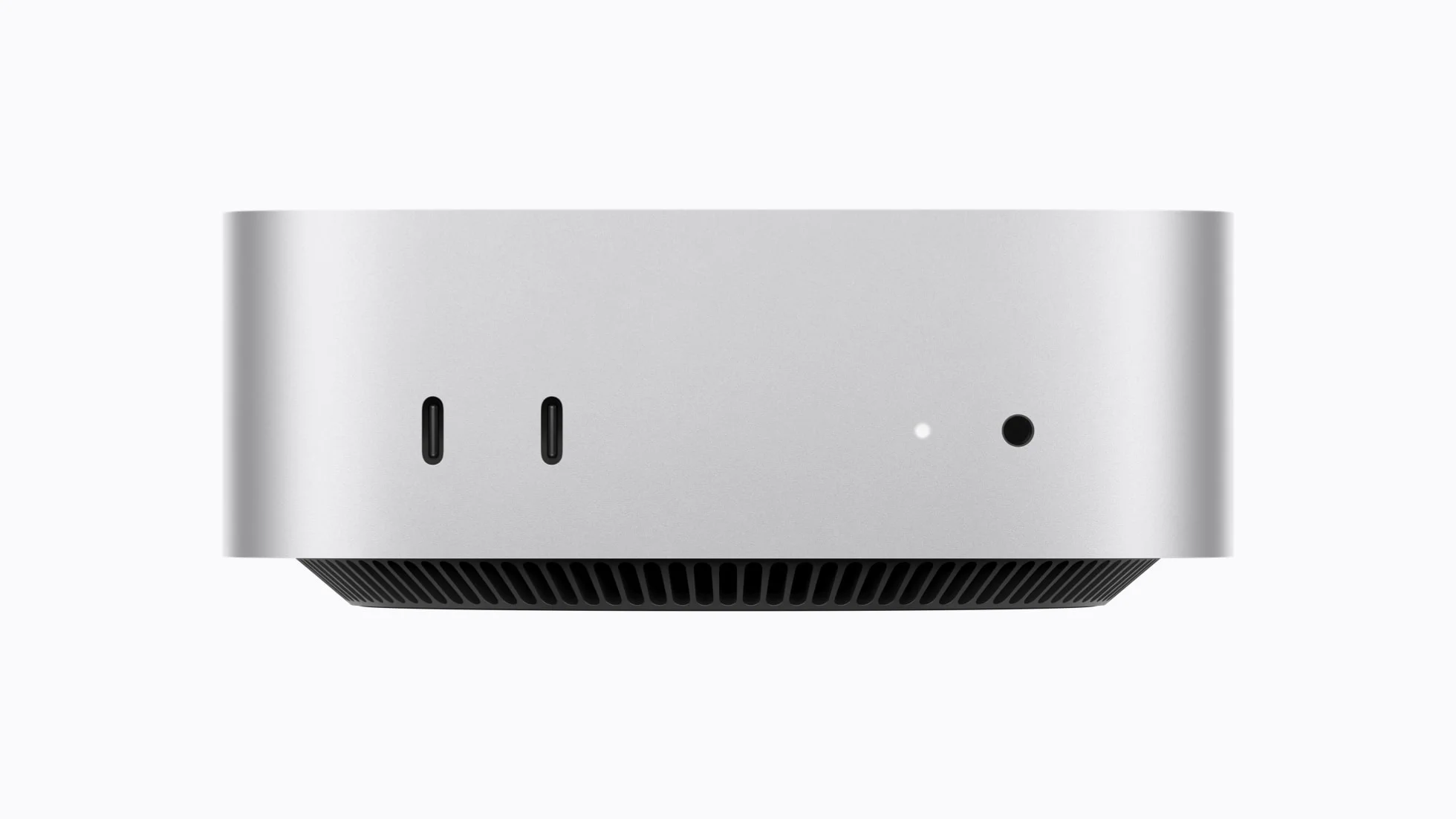

“APPLE $AAPL LAUNCHES NEW MAC MINI AND MAC STUDIO, PRE-ORDERS TODAY Mac mini with M6: - 12-core CPU and 12-core GPU, two more cores each than M4 - Neural Accelerators in every GPU core for the first time on Mac mini - Dual 16-core Neural Engine - 16GB unified memory standard, up”
Anatomy of the M6 Mac mini
More stories