OpenAI's Stealth 'Luna-Lisa' Model Generates Flawless iPhone Fold Interfaces
A mysterious text-to-image checkpoint solves AI typography, threatening to turn hours of frontend wireframing into seconds.
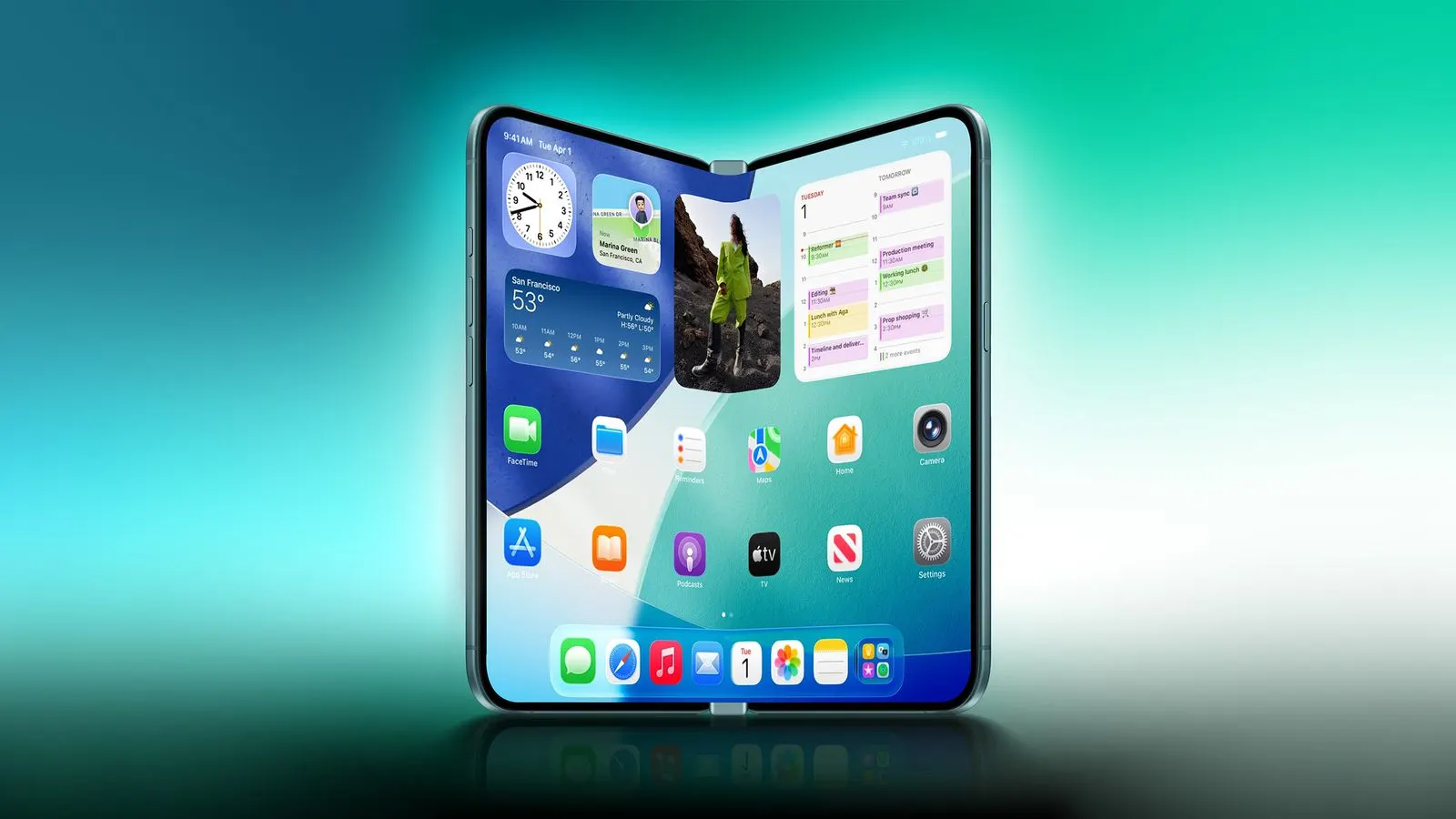
In late August, the AI community spotted something strange lurking in the blind A/B battle mode of the LMSYS Chatbot Arena. A mysterious text-to-image checkpoint codenamed `luna-lisa-alpha` was churning out shockingly accurate visuals. But the real surprise wasn't the photorealism—it was the pixel-perfect, zero-shot generation of functional user interfaces for non-existent hardware.
The Arena Sighting
The model, widely presumed by AI trackers to be an unreleased OpenAI GPT Image architecture (possibly GPT Image 2.5 or 3), surfaced without warning. Prompt engineers immediately threw their hardest tests at the system to probe its boundaries and knowledge cutoff.
They started by asking for a 16:9 YouTube screenshot of a fictional live debate between OpenAI CEO Sam Altman and Anthropic CEO Dario Amodei. The model delivered it flawlessly. The video player interface was precise, the text was perfectly legible, and the human likenesses were spot-on.
Then came the foldable Apple interface. When asked to conceptualize an "iPhone Fold" UI, the model didn't just paint a pretty picture. It generated a structurally sound, highly detailed interface layout that looked ready to ship to a development team.
“🚨 GPT Image Update These are from luna-lisa , i will run prompts for you too comment what you wanna run Holy Shit look at this iphone fold UI mockup made by this beast , this will also improve the webdev coding”— @chetaslua
Curing the Alien Runes
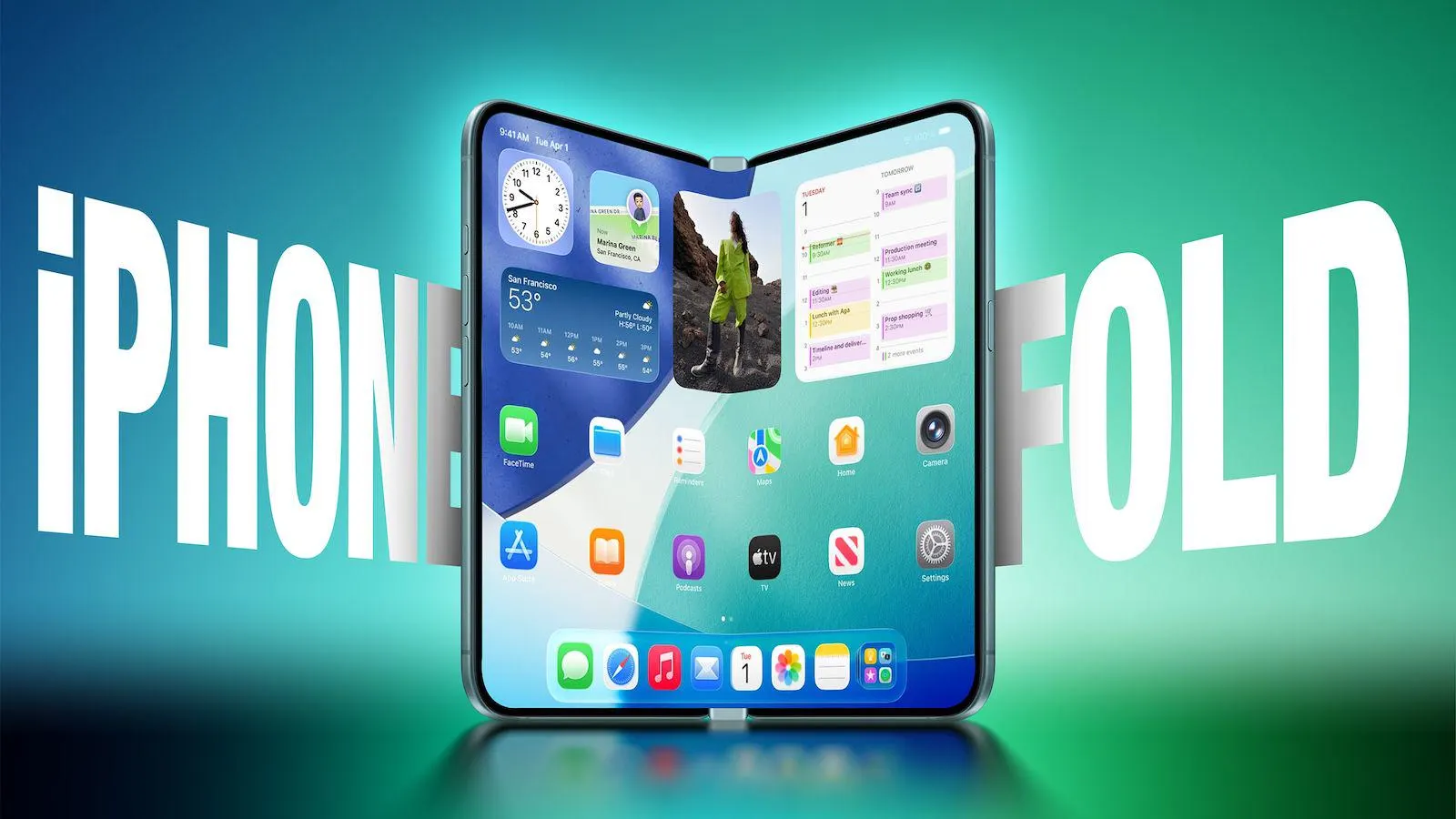
Historically, asking an AI for a website mockup yielded a blurry, impressionistic painting of a screen filled with garbled, alien runes. Accurate text generation has been the Achilles' heel of AI image models since their inception.
The `luna-lisa-alpha` checkpoint—a successor to another recent test model dubbed `monalisa`—represents a milestone in mastering typography. Menus, app icons, and content blocks now feature actual, readable English rather than hallucinated squiggles.
Early testers also report massive improvements in generation speed and the complete removal of the artificial, yellow-tinted lighting that the community derisively calls the "piss filter." The outputs look less like AI art and more like pristine Figma canvases.
From Canvas to Compiler
The most significant breakthrough here isn't aesthetic; it's structural. The ability to create flawless, highly detailed user interface mockups on the first try transforms AI image generation into a rigorous software engineering tool.
When developers pair these precise UI mockups with modern vision-coding models—which can translate an image directly into functional code—the AI essentially becomes an instant UI/UX designer and frontend compiler.
It reduces hours of tedious wireframing down to seconds. A developer can now prompt an exact interface layout, get a pixel-perfect image, and immediately pipe it into a coding agent to produce the underlying HTML and CSS.
The Pivot to Psychology
By deploying stealth models to platforms like LMArena, OpenAI is crowdsourcing high-quality human feedback to ensure their native tools integrate seamlessly into professional developer workflows. They are playing for the enterprise market, aiming to stay a step ahead of Midjourney and Google.
As AI reliably generates production-ready UI mockups, the friction in software creation will plummet. Traditional graphic and frontend design roles face inevitable disruption as manual pixel-pushing becomes automated.
The human designer isn't going away, but their job is about to change. Tomorrow's designers will spend less time nudging buttons in design software and more time focusing on high-level UX psychology, user testing, and complex system architecture.
What people are saying

“Example from the new @OpenAI image model that we might get today. Codename "luna-lisa-alpha". The prefix "luna" could indicate it's a smaller version based on GPT Luna. Don't underestimate the significance of image models! They can generate the design for an entire website,”


“Replit Free Mode, powered by @OpenAI GPT-5.6 Luna. Let’s make intelligence accessible to everyone.”

“Ox Alpha (stealth model) is free for the next week - 1M Context - Multi-modal - Zero Data Retention Generous rate limits, near unlimited usage We have capacity for 100T tokens per day, lets see what you can do”
The AI Typography Breakthrough
More stories