Trump Erases Lake Ontario — and Triggers a 50% Tariff War
Behind the geographic flex lies a collapsed trade pact threatening 75% of Canada's export economy.
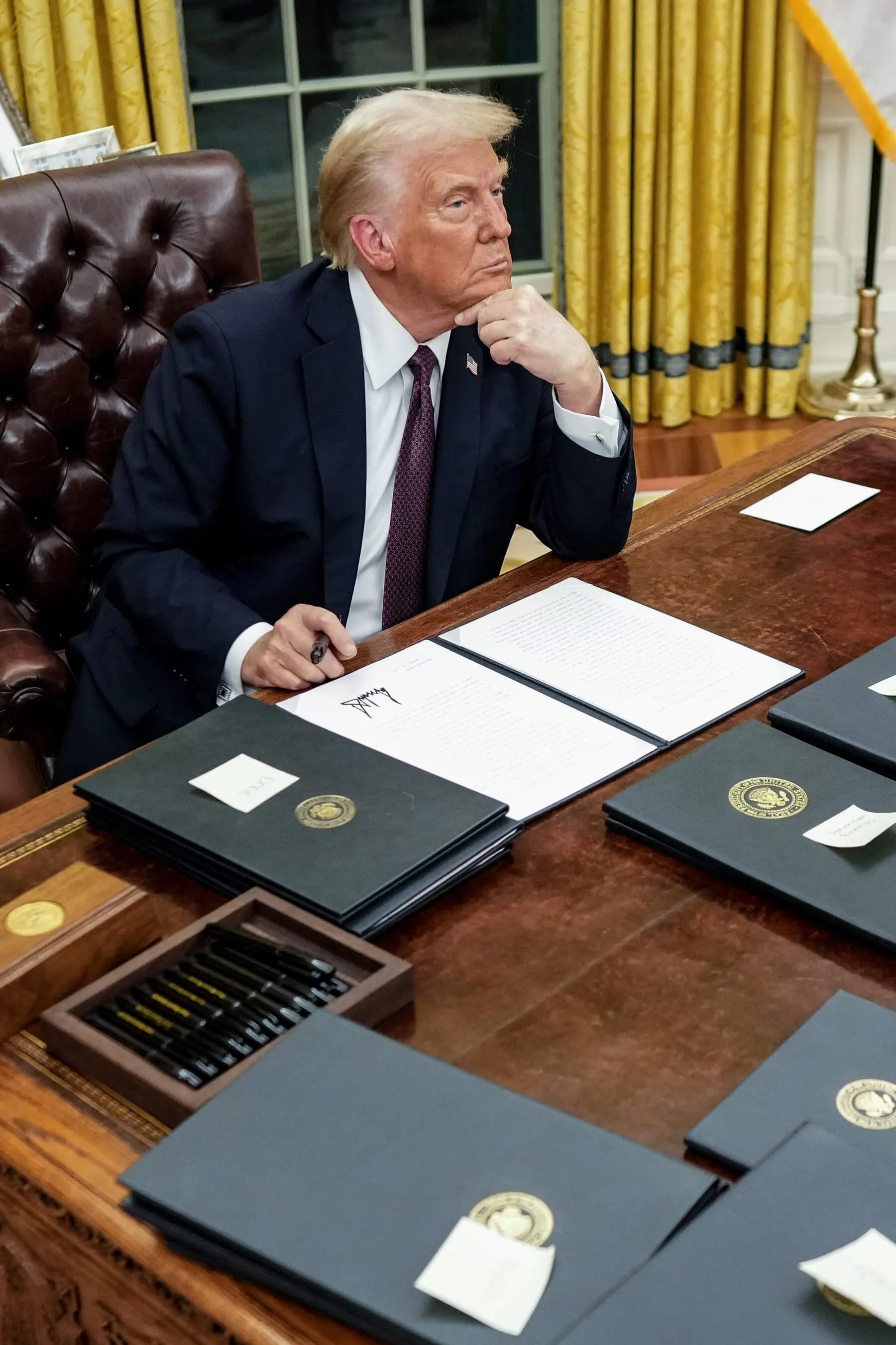
On August 27, 2026, President Donald Trump signed an executive order legally renaming Lake Ontario to "Lake America" across all U.S. federal maps and databases. The cartographic stunt arrived five days after the total collapse of U.S.–Canada trade negotiations. Behind the geographic theater is the sudden fracturing of the world’s most deeply integrated trading partnership.
The 50 Percent Sledgehammer
The renaming order commanded the public's attention, but the actual weapon deployed from the Oval Office was a devastating 50 percent tariff on $20 billion worth of Canadian goods. Steel, dairy, and farm equipment are the immediate targets. In response, Canada is preparing a dollar-for-dollar counter-strike on American consumer goods scheduled for September 8.
For Canada, the exposure is existential. Roughly $596 billion worth of Canadian goods flows south annually. Decoupling from the United States means suddenly finding new destinations for three out of every four cargo trucks, trains, and shipping containers leaving the country. That volume cannot simply be rerouted to Europe or Asia overnight.
The absence of ready ports and alternate trade pacts leaves Ottawa staring down a severe domestic recession. Yet Prime Minister Mark Carney chose to walk away rather than sign what he viewed as a surrender of national sovereignty.
The Breaking Point
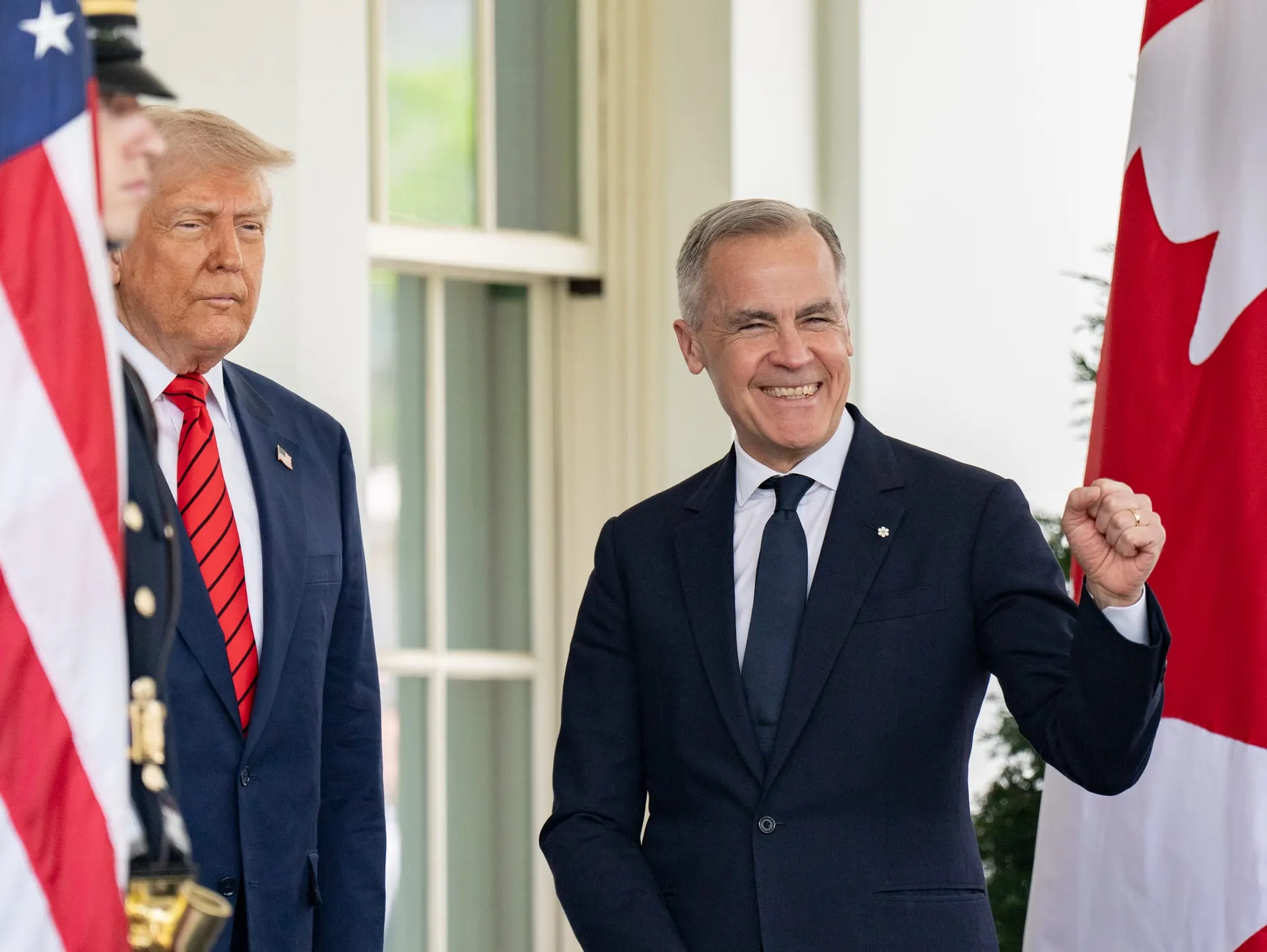
The negotiations unraveled over a last-minute American demand that would have restricted Canada’s legal ability to strike external trade deals with other nations. The mandate stems from a recently published national security strategy detailing the "Trump Corollary," which frames hemispheric trade as a zero-sum exercise in U.S. dominance.
“In the end, that momentum reversed and we could not accept what the U.S. had offered, nor could we give what they asked.”— Prime Minister Mark Carney
Instead of capitulating, local Canadian leaders are answering the aggression. In Ottawa, city councillors are advancing a motion to rename their local Trump Avenue to "Taco Avenue," an acronym for "Trump Always Chickens Out." It is a uniquely Canadian response, answering petty geographical edits with local administrative trolling.
But the rhetoric from Washington shows no sign of softening. Speaking from the Resolute Desk, Trump mused about expanding his map revisions to the Atlantic and Pacific oceans, leaving diplomats scrambling to assess the damage and bracing for the financial fallout.
The September Cliff
The true test arrives in early September when Canada's retaliatory tariffs take effect. The resulting price spikes will hit consumers on both sides of the border immediately. Seafood, toilet paper, and everyday household items will carry the financial weight of the political deadlock.
Carney is now actively courting new buyers in Europe and Asia. He is treating this crisis as a painful but necessary catalyst to end Canada's historic reliance on the American market. Skeptics argue this principled stand is a massive gamble paid for by the working class.
The standoff asks a brutal question: will Canadian citizens endure a deep, engineered economic hit just to hold their ground against a superpower? Cartography is easy to rewrite with a pen. The true cost of the conflict will be paid by everyone living on the shores of the newly named lake.
What people are saying

“Donald Trump threatens to change the name of Lake Ontario to Lake America amid Canada trade war”

“US President Donald Trump said that he was considering changing the name of Lake Ontario to "Lake America" as a trade war between the United States and Canada escalates”

“"LAKE AMERICA GREAT AGAIN" President Trump turning up the pressure on Canada as the trade war between the U.S. and its neighbor to the north continues, crossing out the name 'Lake Ontario' on a map and replacing it with 'Lake America.' Earlier in the week, Trump threatened to”
From Map Stunt to Trade War
More stories