A Gaza Family Crashes Vegetable Prices 90% — While Farming Under Drone Fire
Aubergines dropped from 40 shekels to 2 shekels after a local collective turned refugee tents into a decentralized agricultural network.
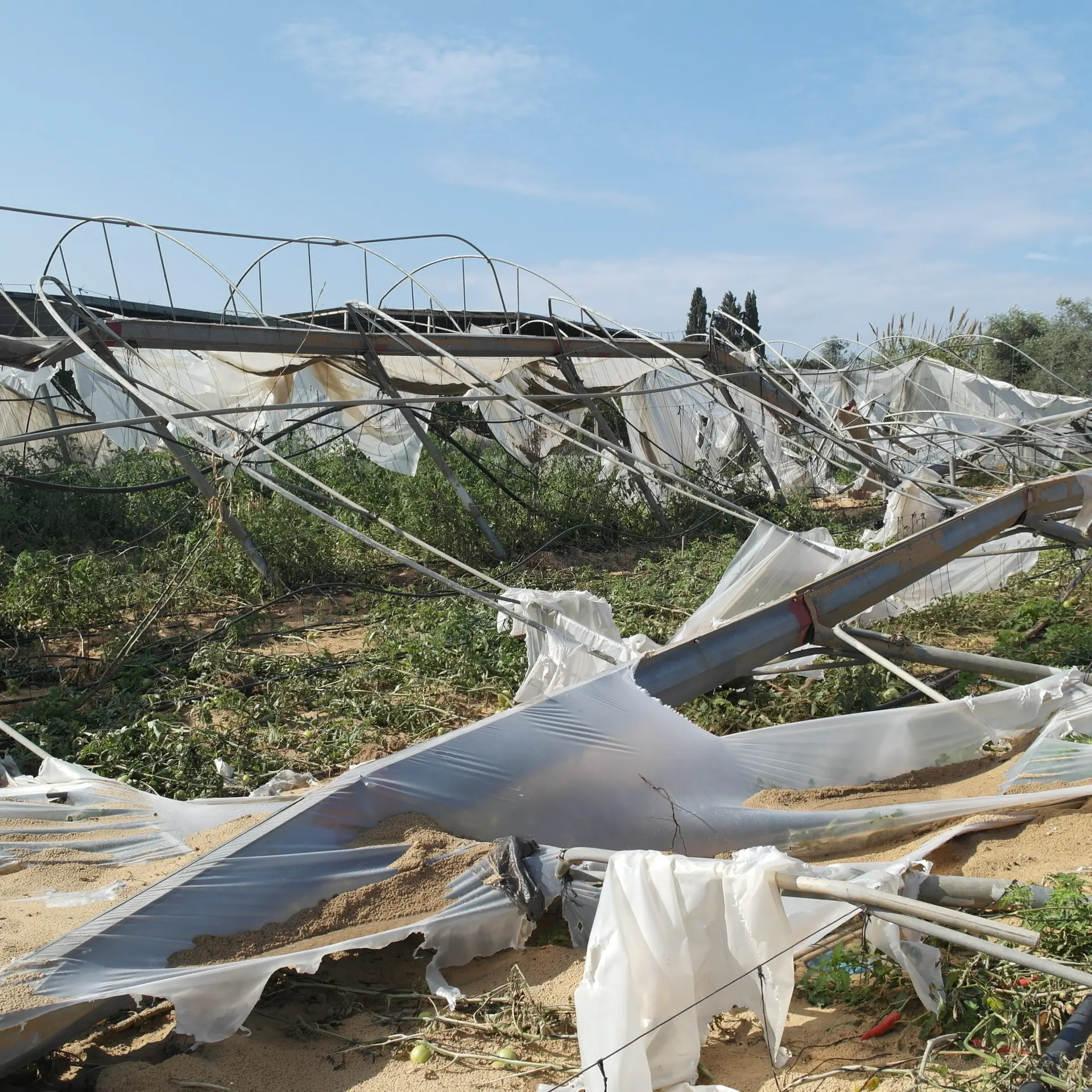
In northern Gaza, the price of a kilogram of aubergines recently plummeted from 40 shekels to just two. This massive deflation was not engineered by international aid convoys or UN airdrops. It was forced by local farmers who cleared debris by hand, composted decaying vegetation to replace chemical fertilizers, and handed out seedlings to desperate families to plant outside their temporary shelters.
The Two-Shekel Harvest
Before the conflict, Gaza operated roughly 4,100 hectares of viable cropland. Today, the UN's Food and Agriculture Organization estimates the remaining usable land is vanishingly small. That remaining patch equates to roughly the footprint of a single mid-sized American family farm, which is now tasked with feeding 2.1 million people.
Operating within these constraints requires extreme adaptation. Saqer Abu Rabee, a 48-year-old farmer in Beit Lahiya, operates on tiny scraps of leased land after his family's farm was absorbed by Israeli military zones. Without livestock to provide dung for fertilizer, his team improvises by fermenting decaying vegetation under tarpaulins. Lacking commercial pesticides, they fight off soil infestations like nematodes through intense manual labor.
The breakthrough came when the family's grassroots collective, known as Our Land, stopped trying to grow all the food themselves. Instead, they coaxed hundreds of thousands of seedlings into life and distributed them directly to individual households. By democratizing the labor and the land, they crashed the local market price for aubergines, peppers, and mulukhiyah by up to 90%. They temporarily solved the supply problem, but stepping into the fields carries a lethal cost.
Farming Under Fire
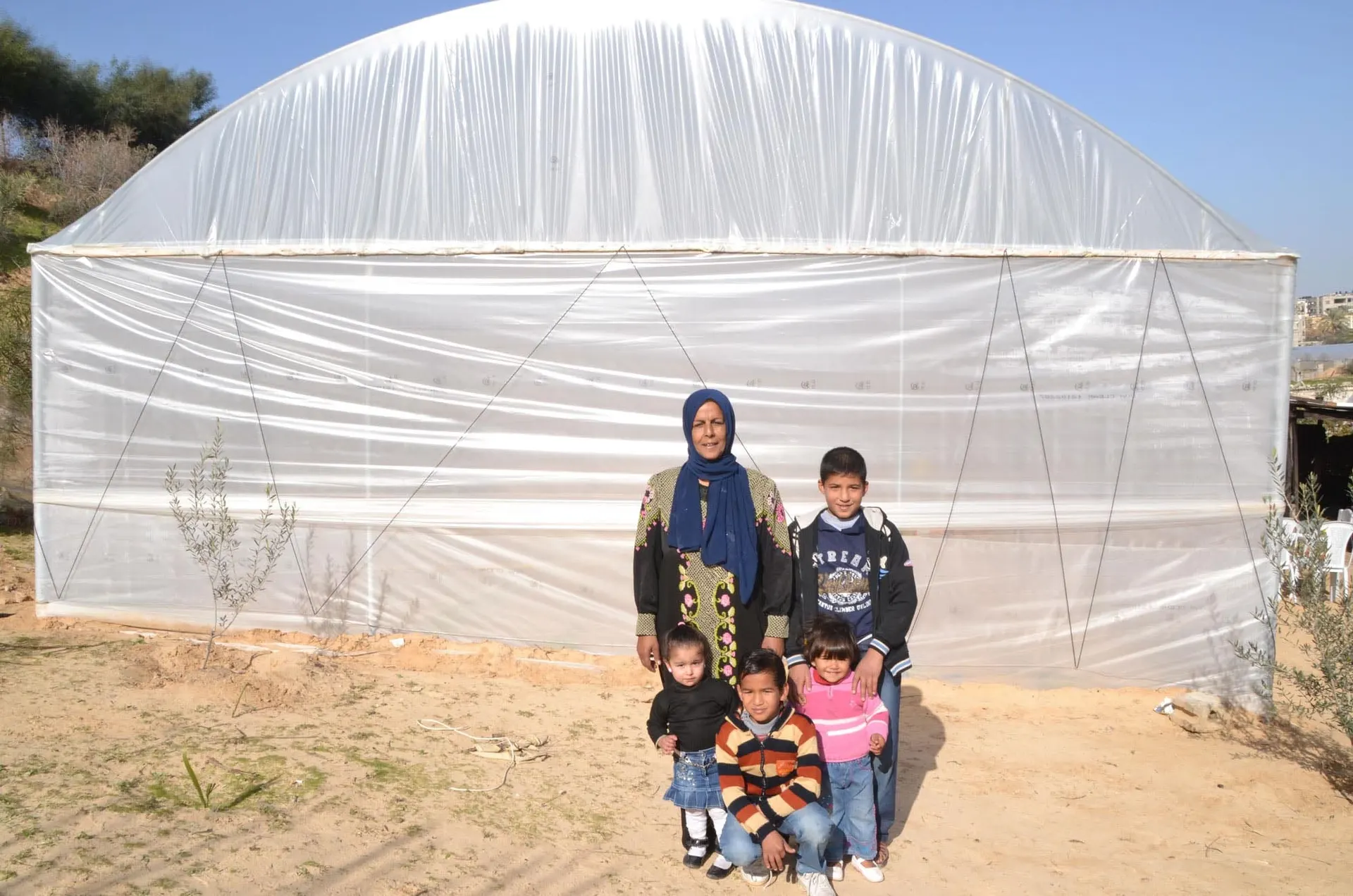
The vision for the Our Land collective belonged to Saqer’s 24-year-old son, Yousef. In October 2024, while working just 10 meters away from his father, Yousef was killed by a drone-fired missile. The tragedy was compounded in July 2026, when Saqer’s brother Bilal was shot and killed by snipers while attempting to retrieve agricultural supplies from a ruined building. It took two days before it was safe enough for the family to recover his body.
“The missile was aimed directly at him and I have no doubt that he was the intended target... Before his death, we received daily threats from the Israeli army.”— Saqer Abu Rabee
The Israel Defense Forces maintain that they do not systematically target agricultural workers, stating that their strikes are responses to imminent threats from Hamas and that civilian casualties are collateral damage from combat operations. For the farmers on the ground, the distinction offers little protection against stray bullets and indiscriminate shelling. The threat from the sky is now compounded by a slow, creeping threat on the ground.
What people are saying


“Incidents involving drones, explosions and arson, with possible links to Russia, are becoming more frequent across Europe. In Germany, a third drone linked to the incident involving a Ukrainian aircraft at Leipzig Airport has been found. Traces of explosives, presumably hexogen,”


“Photos document the first moment when a water desalination plant was bombed by Israeli warplanes in the Sheikh Radwan neighborhood, north of Gaza City.”

Gaza's Lethal 2-Shekel Harvest
More stories