Billings First Responders Tackle Complex Active Shooter Fire
A devastating family tragedy leaves nine dead, but a 12-year-old’s heroic 911 call and rapid inter-agency action highlight the critical evolution of modern crisis management.
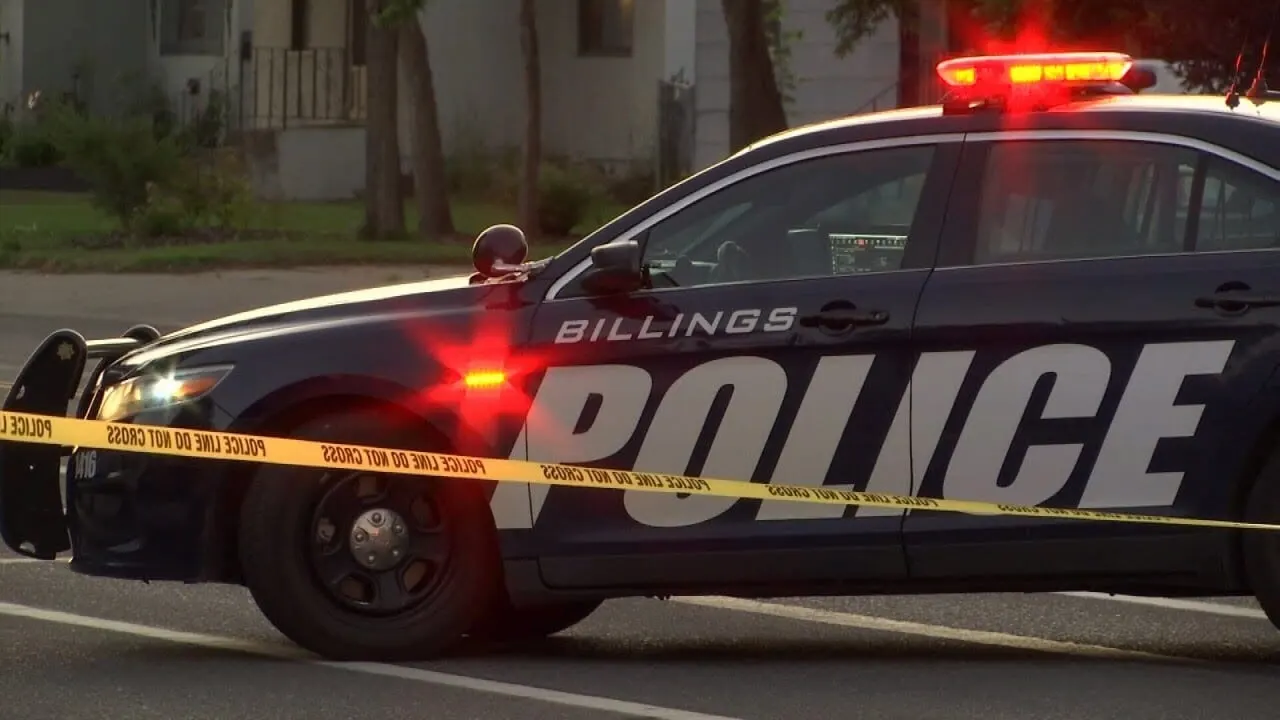
At 6:01 PM on a Sunday evening, a 12-year-old girl named Charlotte made a heroic phone call that changed the trajectory of a sprawling crisis. Trapped in a rapidly escalating family disturbance in Billings, Montana, she managed to dial 911, feeding dispatchers live audio of what was about to become a devastating active shooter and arson scene. Her bravery gave law enforcement the critical seconds they needed to realize exactly what they were walking into and deploy with correct tactical urgency.
The 12-Year-Old Who Tipped Off Dispatch
The situation inside the Billings home was a worst-case scenario. Alan Smith, 44, had returned to a family residence he had recently been asked to leave, opening fire on four generations of his own family gathered for dinner. The devastating toll ultimately included eight relatives, from a 7-year-old girl to a great-grandmother in her 90s, before Smith took his own life in the backyard.
But because of Charlotte's quick thinking, this was not a blind response. Dispatchers could hear the gunfire on the line, immediately classifying the event as an active threat. By 6:12 PM, the first police officer was on the scene, securing the perimeter to protect incoming rescue units.
“Just by the amount of agencies involved in this, this is a very, very complex investigation. — Interim Yellowstone County Sheriff Kent O’Donnell”
Historically, fire and medical personnel staged far away from dangerous scenes until they were entirely resolved, often costing crucial time. Today, the integration of police and fire units allows firefighters to move in the moment law enforcement establishes a localized secure perimeter. This tragedy demonstrated how far emergency tactical integration has come, though the first responders were about to face a physical obstacle they could not override.
The Missing Infrastructure Costing Crucial Minutes
Despite the rapid, unified command between the Billings Police and Fire Departments, the built environment fought back. The home sat in a subdivision just outside municipal limits—an area that was not legally required to have fire hydrants.
This lack of rural water infrastructure severely hampered the Fire Department's access to immediate, sustained water pressure. Firefighters were forced to rely on complex water shuttling operations while simultaneously navigating an active crime scene.
Billings Fire Chief Matt Hoppel noted that these delays in limited access presented significant challenges as fire conditions continued to rapidly worsen. Ultimately, the structure was completely consumed, complicating rescue efforts and destroying crucial physical evidence down to the foundation.
What people are saying

“Multiple people, including children, died when a gunman opened fire at a Billings, Montana, home that was then set alight, authorities say.”

“My thoughts are with those affected by last night’s shooting and fire in Billings. Thank you to the law enforcement officers, firefighters, and medical personnel who responded to a dangerous and fast-moving situation. I’m grateful for their service to our community.”

“🇺🇸UPDATE: A 911 call about a family disturbance in Billings, Montana turned into gunfire that dispatchers heard on the line, then a house fire that swallowed the home before firefighters could get inside. Police arriving 11 minutes later still heard shots and found a man in the”
Billings Crisis Response Timeline
More stories