SpaceX Falcon 9 Booster Hits 23rd Flight in Record-Breaking Launch
By more than doubling its original design lifespan, SpaceX is effectively commoditizing access to space.
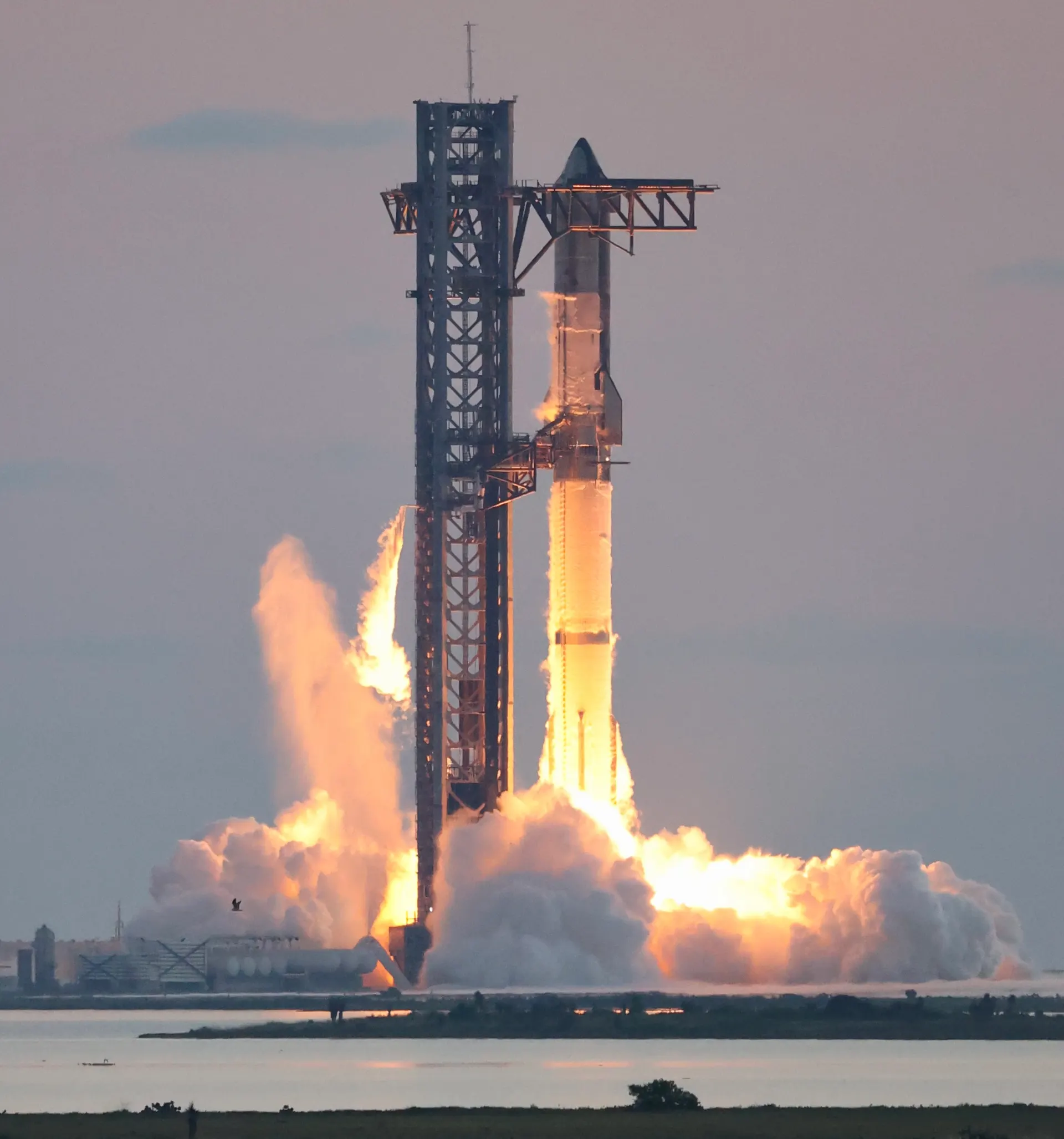
The scene at Vandenberg Space Force Base on March 26, 2026, looked like a routine day at a major international airport. A Falcon 9 rocket roared into the California sky, carrying 25 Starlink V2 Mini satellites, marking the 20th launch from the site this year alone. But beneath the familiar spectacle lies a quiet revolution: the first-stage booster powering this mission was flying for the 23rd time.
The Death of the Expendable Rocket
When SpaceX first pitched the idea of landing rocket boosters, industry skeptics pegged the maximum viable lifespan of a single rocket at roughly 10 flights. By blasting past that threshold and hitting 23, SpaceX isn't just demonstrating engineering prowess—it is shredding the traditional aerospace cost model. Every flight after the first one costs a fraction of the original construction, effectively slashing the amortized cost per launch to a level that was unimaginable a decade ago.
This isn't just about pride; it is the engine behind the Starlink constellation. With thousands of operational satellites already in orbit, the company’s ability to treat hardware like a fleet of long-haul jets allows it to build, deploy, and scale internet infrastructure at a speed that traditional government-contracted programs simply cannot match.
Moving From Stunt to Standard
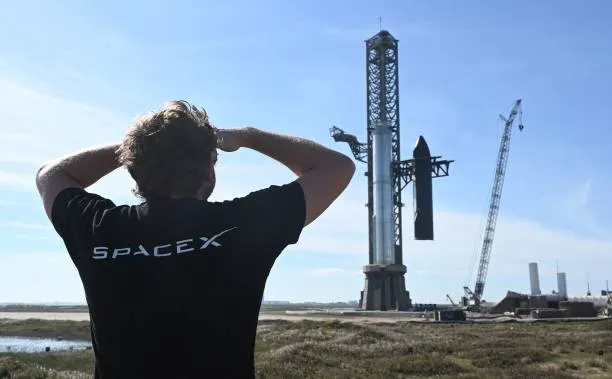
As the cadence of these launches increases, the industry is shifting from 'miraculous event' to 'utility.' This rapid pace presents new challenges, from managing sonic booms over populated California coastal regions to the complex logistics of orbital traffic. Yet, these are the growing pains of an industry moving from infancy to maturity.
“Just as the transition from experimental flight to the Boeing 747 era fundamentally reshaped global travel, the maturation of reusable rocket technology is doing the same for the space economy.”
The real lesson here is the normalization of the extraordinary. Just as the transition from experimental flight to the Boeing 747 era fundamentally reshaped global travel, the maturation of reusable rocket technology is doing the same for the space economy. For the future, this means a lower barrier to entry for everything from scientific research to global communications, turning the once-exclusive frontier of space into a reliable, high-capacity pipeline for human data.
How Reuse Rewrites Launch Math
More stories