Pentagon Turns Palantir’s Maven Into Official Military AI Backbone
By designating Maven a 'program of record,' the DOD is cementing a $10 billion-plus software foundation for all future combat operations.

The U.S. military is undergoing its most significant technological shift in a generation, officially moving AI out of the lab and into the center of the battlefield. As of March 2026, the Department of Defense has elevated Palantir’s Maven Smart System to a 'program of record,' signaling that algorithmic decision-support is no longer an optional upgrade—it is now a permanent pillar of national defense strategy.
From Prototype to Powerhouse
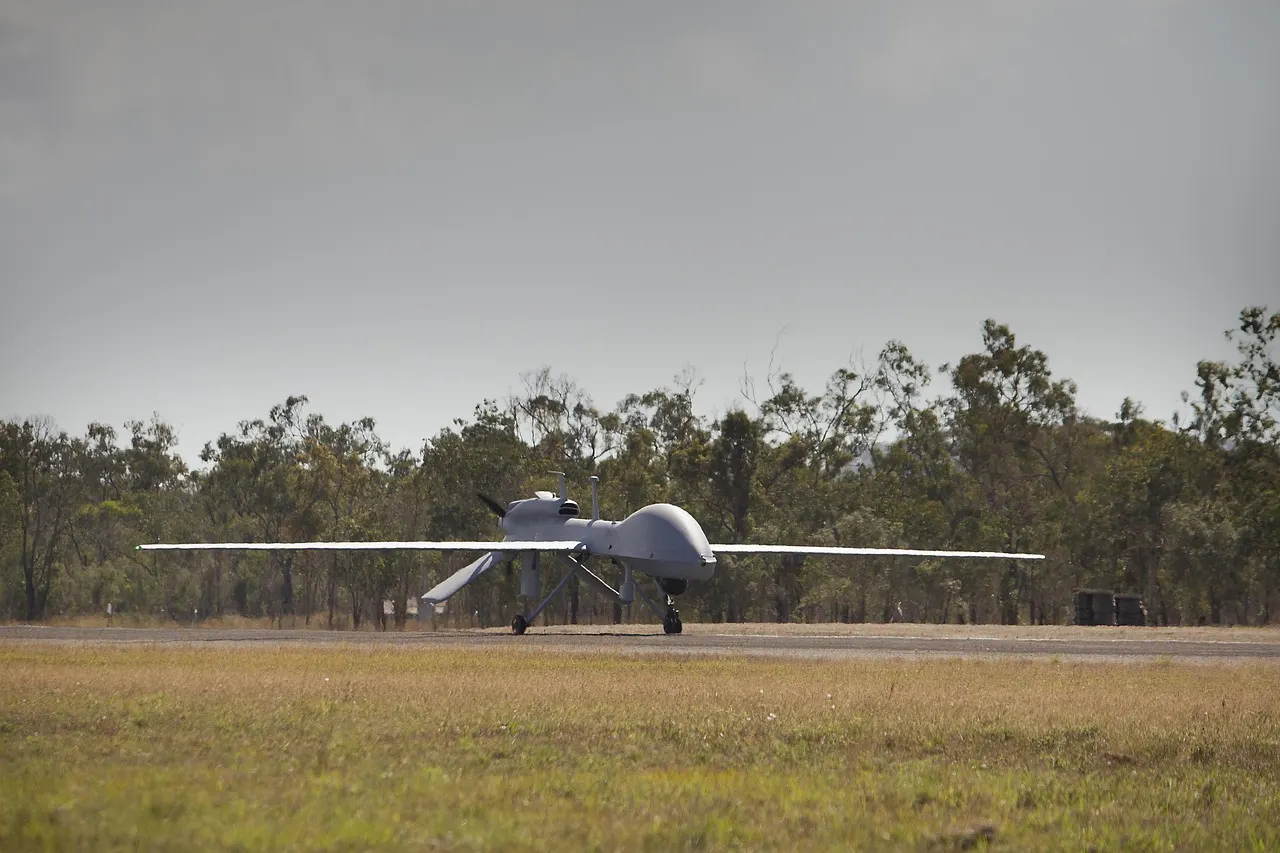
Project Maven began in 2017 as a modest experiment in using machine learning to label drone footage. Today, it has metastasized into a sprawling AI operating system that integrates data from over 150 sources—including satellites, signals intelligence, and radar—to provide a real-time picture of global conflict. With Deputy Secretary of Defense Steve Feinberg’s recent directive, the platform now moves under the oversight of the Chief Digital and Artificial Intelligence Office, ensuring that military commanders across every combatant command are reading from the same data-rich playbook.
The financial commitment matches the strategic scope. Following a $480 million contract in 2024 and a massive $10 billion Army enterprise agreement signed in 2025, the military has fully locked in its reliance on Palantir’s infrastructure. In recent field tests, the system’s ability to process massive streams of information has proven formidable, with reports noting the software assisted in managing approximately 1,000 targets within a single 24-hour period.
The Road Ahead: Integration and Oversight
Becoming a 'program of record' means Maven now secures stable, multi-year budgeting, effectively insulating it from the whims of temporary project funding. However, this transition brings immediate engineering challenges. Pentagon officials are currently working to re-engineer parts of the system to eliminate dependencies on third-party AI tools like Anthropic’s Claude, citing concerns over supply chain security. This 'de-risking' process will be a crucial test of whether the military can build a sovereign, resilient AI ecosystem.
“the challenge will be ensuring that these algorithmic tools remain transparent, auditable, and firmly under human control”
Ultimately, this shift signals the dawn of 'intelligentized warfare,' where the speed of data processing defines victory. While Palantir maintains that humans remain firmly in the loop for lethal targeting, the sheer scale of the system creates new ethical and strategic dilemmas. As the military leans further into automation, the challenge will be ensuring that these algorithmic tools remain transparent, auditable, and firmly under human control as they become the central nervous system of global military action.
Maven's March to Permanence
More stories