Elon Musk Launches TERAFAB to Power Humanity's Galactic Future
Tesla, SpaceX, and xAI are joining forces to build a $25B chip facility capable of 1TW of annual compute.
The bottleneck for a multi-planetary civilization isn't just rockets or solar panels—it's raw, unadulterated compute power. Elon Musk has officially unveiled TERAFAB, a massive, vertically integrated manufacturing project designed to produce one terawatt of AI compute capacity every year. It is a staggering bet on the necessity of localizing chip production to fuel everything from autonomous fleets to space-based satellite arrays.
The War on Compute Scarcity
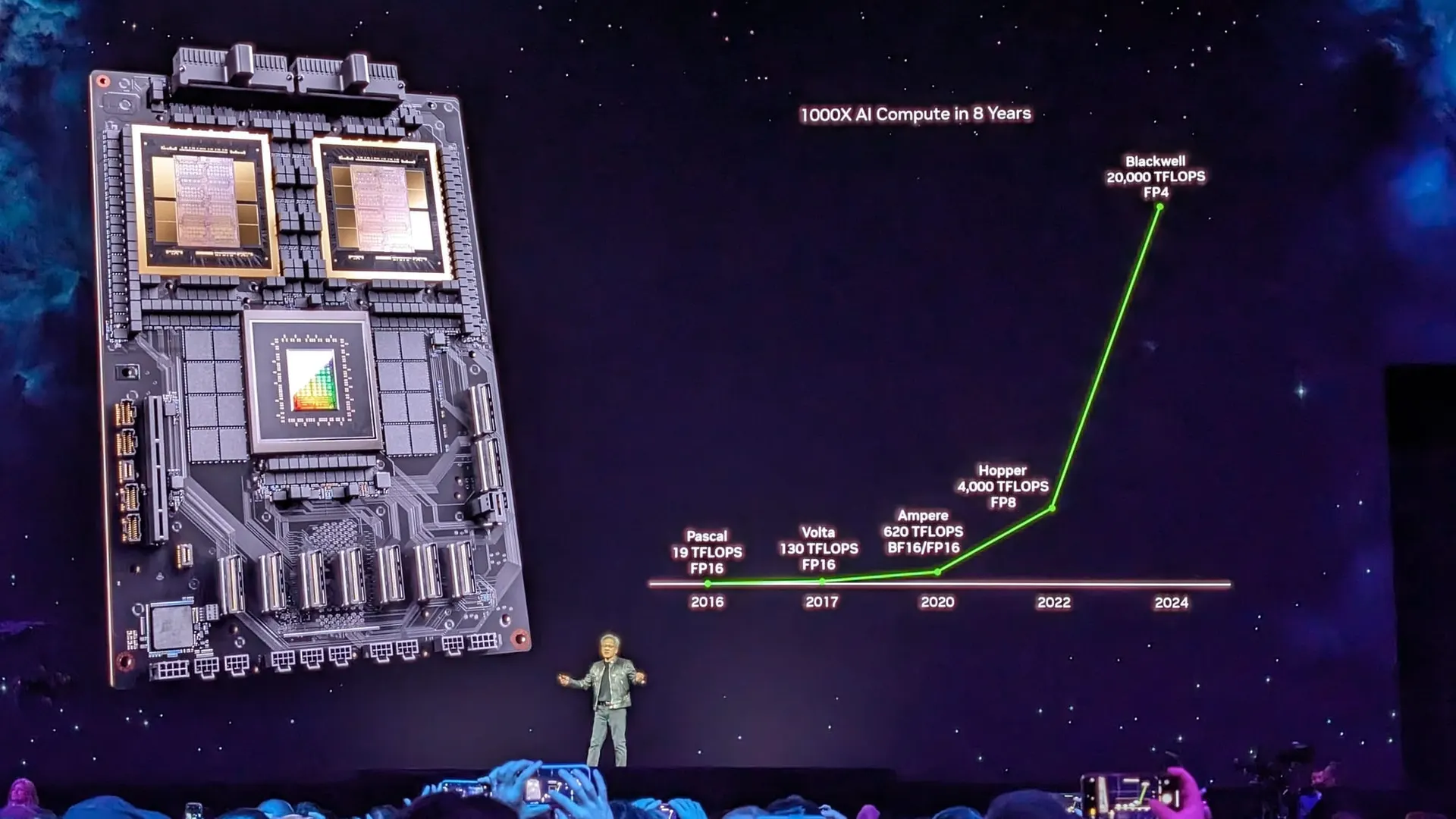
Musk’s thesis is simple but brutal: existing global semiconductor supply chains are fundamentally incapable of meeting the demand he foresees for his companies. Between Tesla’s Optimus humanoid robots, which alone require an estimated 100-200 gigawatts of chips, and a massive constellation of solar-powered AI satellites, the current global output is a drop in the bucket. By his own estimates, the world currently produces only about 2% of the compute power his projects will eventually demand.
TERAFAB aims to bridge this gap by bringing logic, memory, and advanced packaging under one roof. The facility is expected to cost between $20 billion and $25 billion, targeting 2-nanometer process technology to squeeze maximum efficiency out of every wafer. By integrating these processes, Musk hopes to create a "recursive loop" of design and production that avoids the fragmented, multi-step hurdles of traditional manufacturing.
A High-Stakes Moonshot
Critics will rightly point to the extreme difficulty of entering the semiconductor fabrication market, a sector characterized by high entry barriers and precise manufacturing requirements that take decades to master. With neither Tesla nor SpaceX boasting a track record in chip fabrication, the execution risk is massive. The project requires not just capital, but access to highly sought-after EUV lithography machines that are already subject to multi-year waiting lists.
“he won't just be building chips—he will be building the infrastructure for an era of technological abundance that extends well beyond Earth's orbit.”
However, if the gamble pays off, the implications are profound. Moving compute to space, where solar energy is abundant and cooling is significantly cheaper due to the vacuum of space, could redefine the economics of AI. TERAFAB represents a shift from outsourcing critical technology to owning the stack entirely. If Musk can successfully bend the manufacturing supply chain to his will, he won't just be building chips—he will be building the infrastructure for an era of technological abundance that extends well beyond Earth's orbit.
Musk's Bet on Compute Abundance
More stories