
Uber and Traditional Taxis Clash Over Mexico City Streets
A viral encounter shows how algorithmic pricing is breaking the grip of legacy taxi unions on urban mobility.
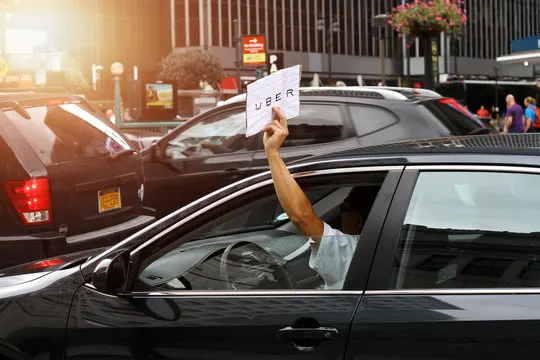
A ten-minute ride shouldn't cost as much as a fancy dinner, yet that’s exactly what a local taxi driver in Mexico City proposed to a potential passenger recently. When the traveler balked at the 300-peso quote, they simply opened an app and summoned an Uber for 47 pesos. This small, nightly drama illustrates a massive, ongoing transformation in how a megacity moves.
The Price of Old Habits
For years, the street taxi has been a staple of Mexico City, with nearly 140,000 registered cabs weaving through the capital’s arteries. However, the legacy model relies on opacity—metered or negotiated rates that fluctuate wildly depending on the time of day, the passenger's perceived wealth, or the driver's mood. For the consumer, it is a game of chance where transparency is the first casualty.
Ride-sharing platforms like Uber and DiDi changed the rules of the game by introducing the 'algorithmic commute.' By providing upfront pricing, GPS tracking, and digital records, these apps effectively handed power back to the rider. In a city where trust in formal institutions can be low, the ability to see a driver’s face, name, and license plate before stepping into a vehicle is more than a convenience; it is a fundamental shift in user expectations.
A Future Defined by Tension and Choice
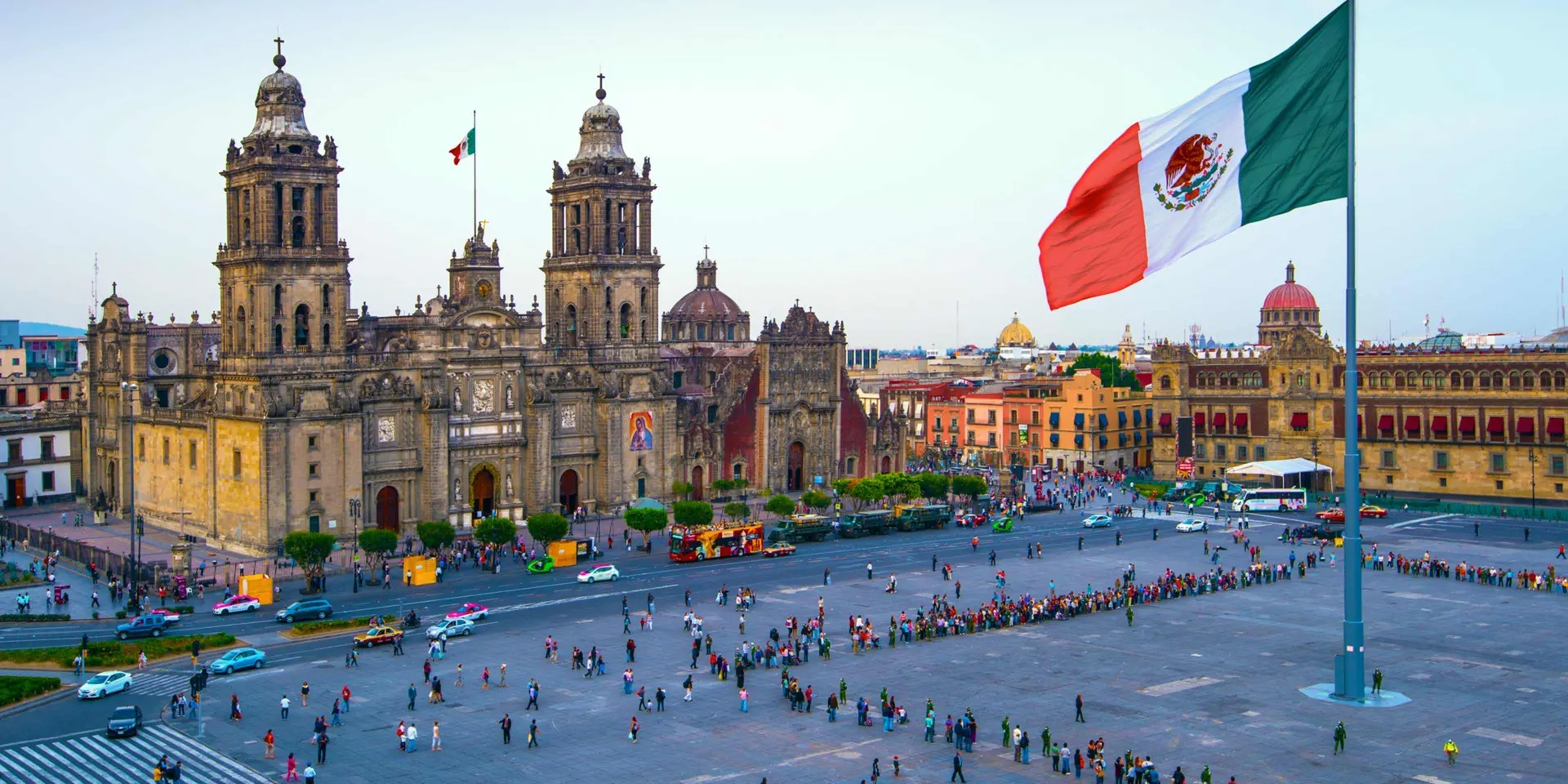
The battle for the street is far from over. Traditional unions, squeezed by a system that demands high concession fees and mandatory vehicle standards, view app-based drivers as an existential threat. This conflict has spilled into the open, with protests as recently as March 2026 forcing authorities to reconfigure pickup zones at the Mexico City International Airport and even involve the National Guard to maintain order.
“once a city experiences the convenience of transparent, on-demand transport, it rarely turns back to the uncertainty of the handshake deal.”
Ultimately, this is a clash between a rigid, protected past and an agile, data-driven present. As Mexico City grows, the government faces the impossible task of balancing the livelihoods of thousands of traditional drivers with the demands of a public that has tasted the efficiency of the digital age. The lesson is clear: once a city experiences the convenience of transparent, on-demand transport, it rarely turns back to the uncertainty of the handshake deal.
Handshake vs Algorithm
More stories