SpaceX Targets Orbital Starship Catch to Break the Launch Cost Barrier
With a massive $7.8 billion quarter in the books, Elon Musk is betting the company’s new public valuation on catching a rocket returning at orbital velocity.
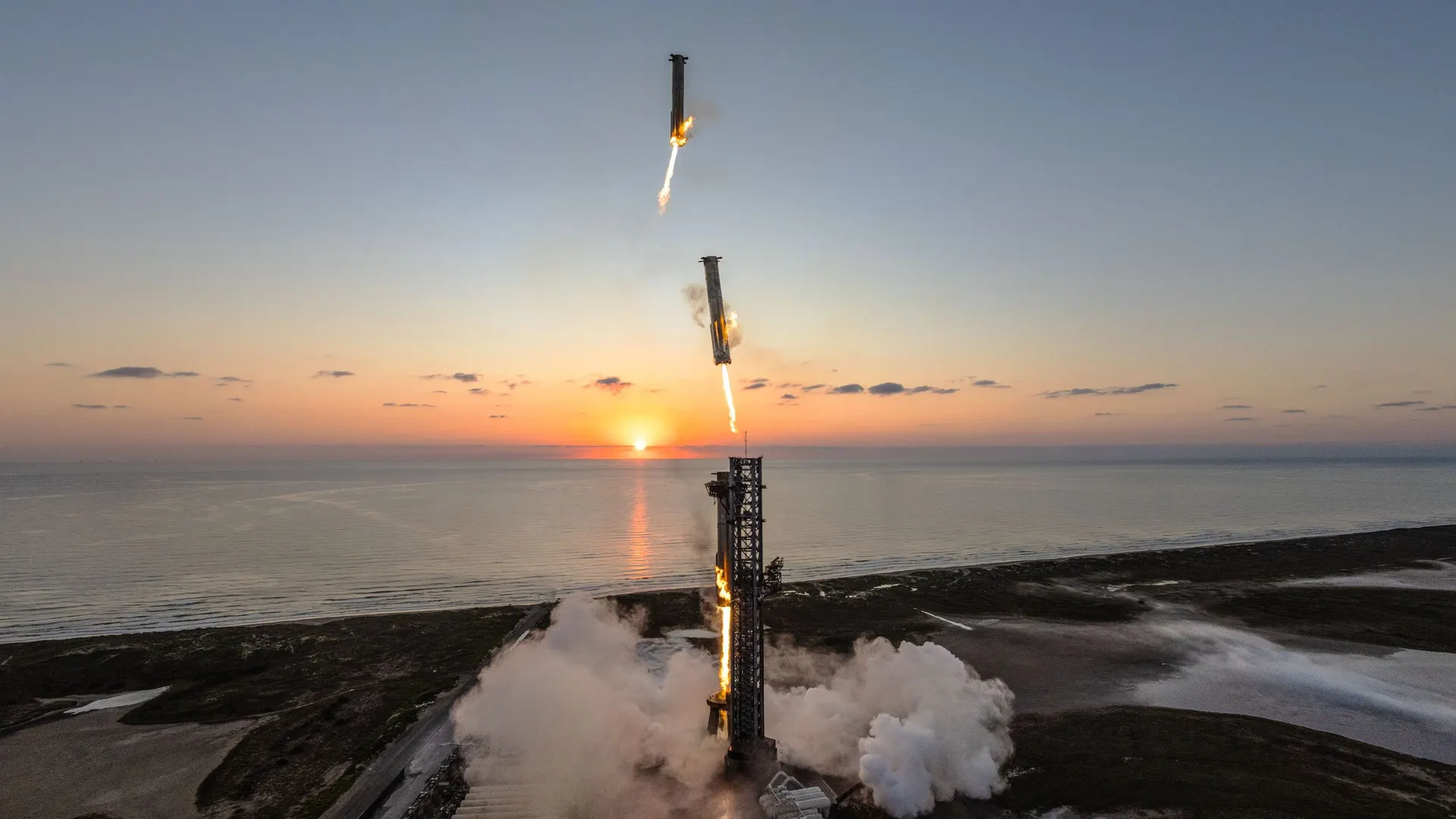
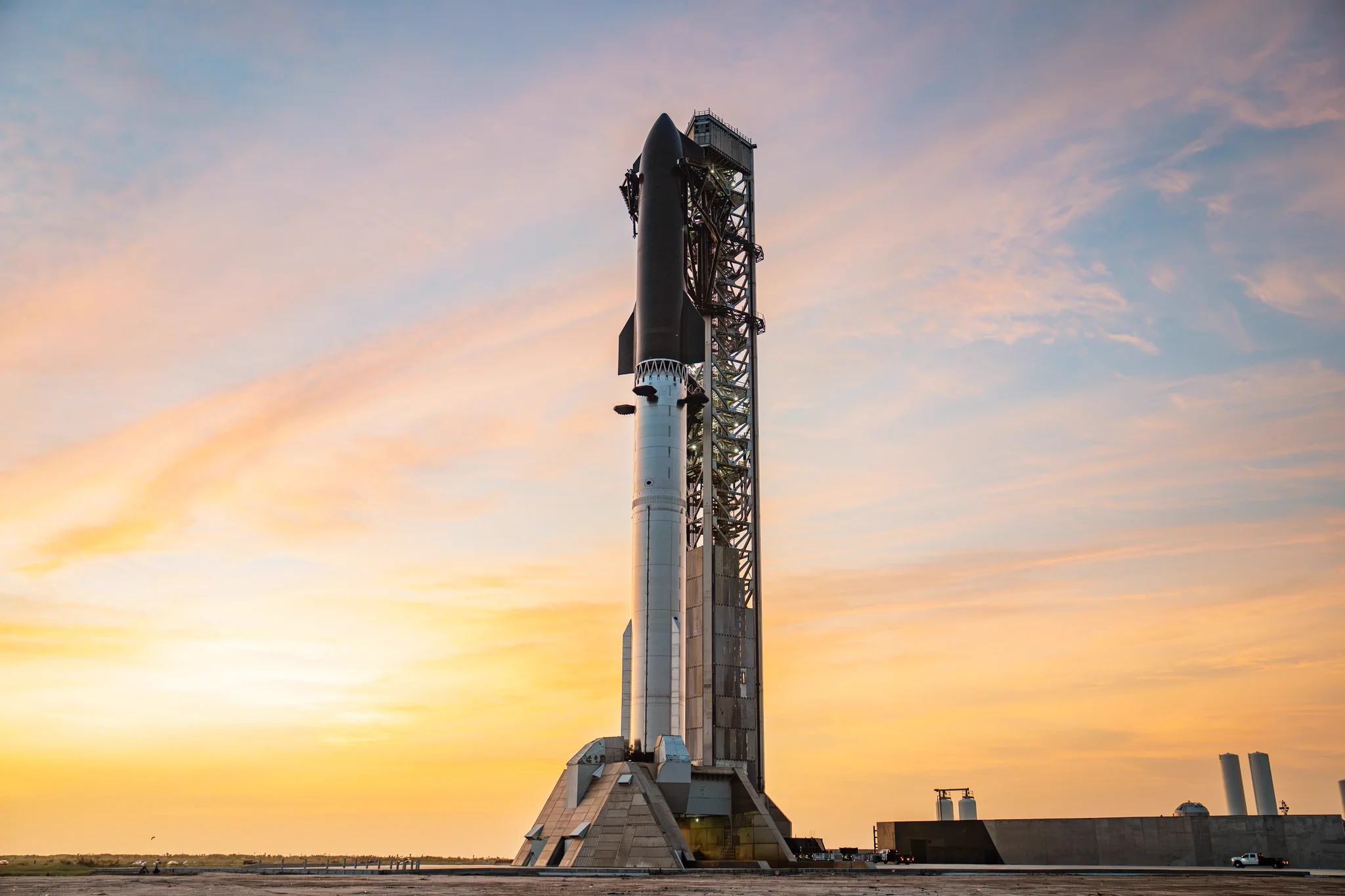
SpaceX is preparing to catch an orbital spacecraft out of the sky using a pair of giant mechanical chopsticks. Following a highly precise ocean splashdown during Flight 13, CEO Elon Musk has confirmed that the first attempt to catch the Starship upper stage at the launch tower is only months away. If successful, it will mark the final engineering hurdle in transforming spaceflight from a disposable, bespoke endeavor into a rapid-turnaround commercial airline.
The Mach 25 Belly Flop
SpaceX has already mastered catching the Starship’s first stage. Across 13 suborbital and orbital test flights, the Mechazilla tower has snatched the massive Super Heavy booster out of the air three times. But catching the upper stage—simply called "the ship"—is a different physics problem entirely. The ship returns from orbital velocities and extreme altitudes, enduring hellish plasma heating before bleeding off speed through a precarious aerodynamic belly-flop.
To stick the landing, the ship must orient itself vertically and hover directly into the tower's arms. A miss doesn't just mean a lost rocket; a fuel-laden crash could obliterate the launch pad and halt operations for months. That is why SpaceX spent Flight 13 proving the avionics over the empty Indian Ocean. As Musk noted, if there had been a tower out at sea, the ship's millimeter-level precision would have resulted in a successful catch.
Trading Explosions on the NASDAQ
The stakes for this upcoming maneuver are no longer just about engineering pride. Following a blockbuster initial public offering in June 2026, SpaceX is now a publicly traded conglomerate under the ticker SPCX. After acquiring xAI to merge satellite infrastructure with gigawatt-scale artificial intelligence, the company reported a staggering $7.8 billion in second-quarter revenue. Wall Street is watching, and public markets notoriously lack patience for exploded launchpads.
“First reflight of the ship will be either end of this year or early next. That will be a fork in the road of history for consciousness reaching the stars.”— Elon Musk
Because of these commercial pressures and strict Federal Aviation Administration oversight, SpaceX is playing it safe with the immediate future. The upcoming Flight 14 in September will skip the catch attempt, focusing instead on deploying roughly 20 next-generation Starlink V3 satellites. Space reporter Eric Berger confirmed that while the team was close on the regulatory side, they simply weren't ready to risk the multi-billion-dollar tower just yet.
The End of the Naval Fleet
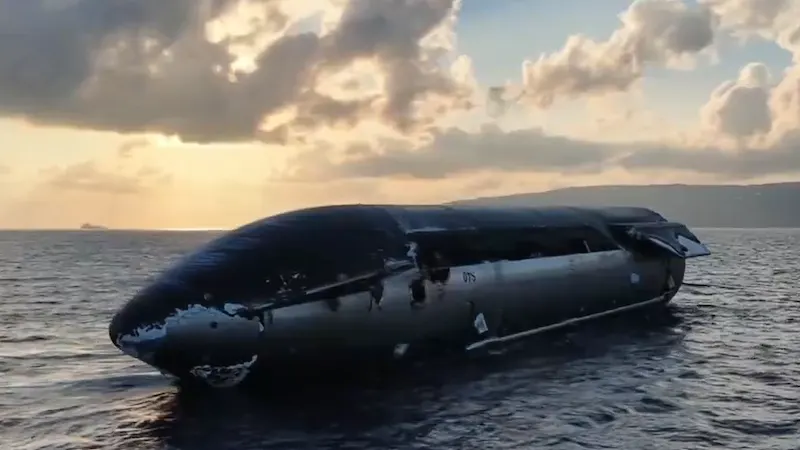
By deferring the catch to late 2026, SpaceX is setting up early 2027 for a historic milestone: the first actual reflight of a used Starship upper stage. The implications of this are difficult to overstate. For decades, recovering spacecraft required heavy landing legs or massive, expensive naval recovery fleets stationed in the ocean. Catching both halves of the rocket directly on the launch mount bypasses all of that expensive infrastructure.
This is where spaceflight transitions from the Apollo era into modern logistics. Vehicles can be inspected, refueled, and restacked within days or even hours. Eliminating the massive weight of landing hardware translates directly into payload capacity, breaking the economic barrier that has kept humanity in low Earth orbit. When you stop throwing away the airplane after every flight, building permanent bases on the Moon and cities on Mars suddenly becomes a tangible business plan rather than a science fiction dream.
What people are saying

“We're getting very close to Starship Flight 14 and this is going to be something very special For the first time, SpaceX plans to catch Starship itself with Mechazilla chopsticks Super Heavy has already been successfully caught 3 times Now it's Starship's turn... Flight 13”

“Starship completed a single engine static fire demonstrating a deorbit burn for upcoming orbital missions”

“@CJHandmer @SciGuySpace @SpaceX Once Starship is flying reliably several times per week, it makes sense to shift super scarce SpaceX engineering and production resources to Starship to get launch rate to several times per day, which means winding down Falcon”
Starship's Path to Full Reusability
More stories