
SpaceX and Nvidia Target Orbit as 15GW of AI Compute Faces Gridlock
In 2027, a third of all new AI chips will sit dead in warehouses. The bottleneck isn't electricity—it's the massive industrial plumbing required to turn them on.
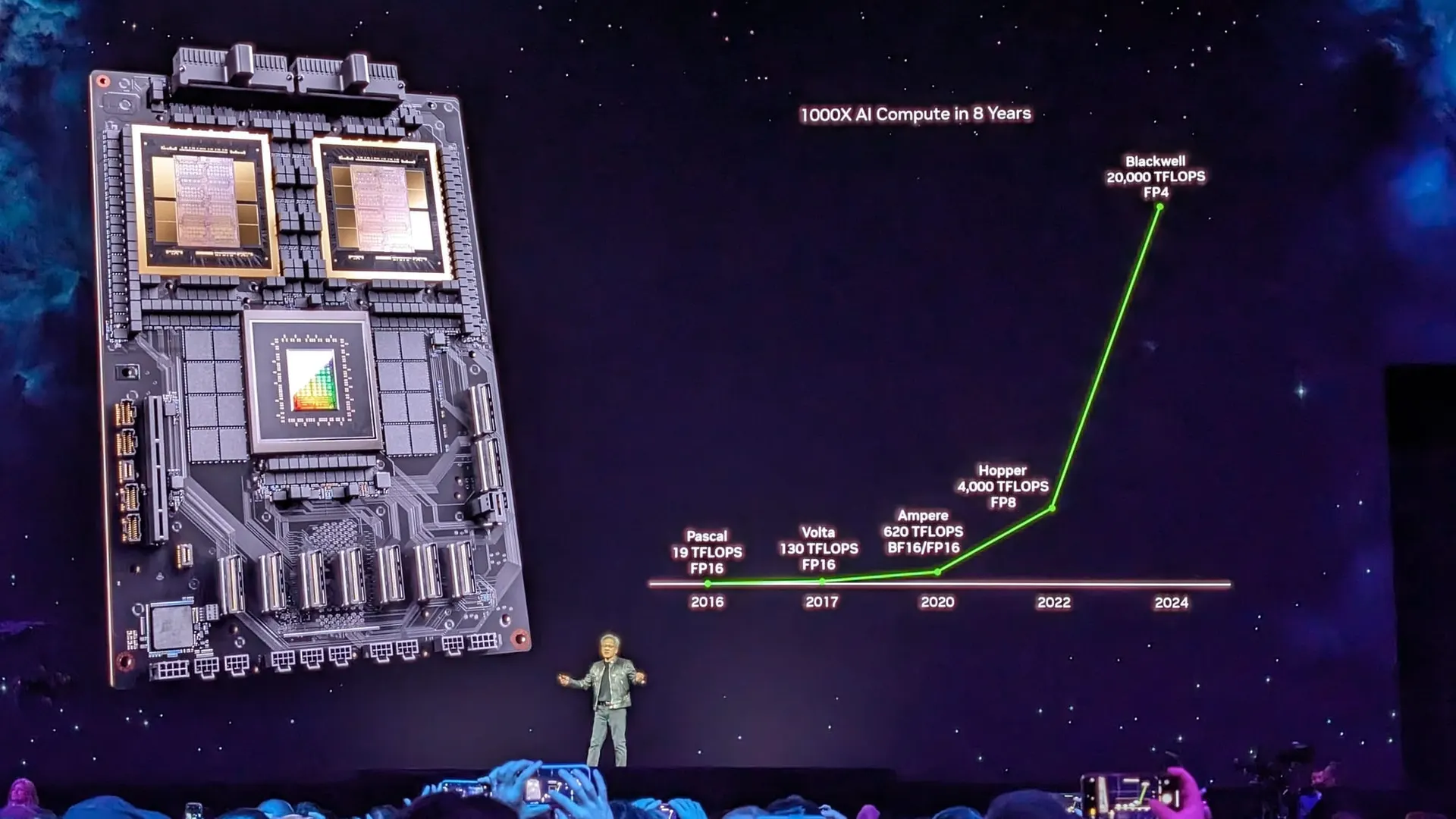
In 2027, one out of every three AI chips rolling off global assembly lines will be delivered, unboxed, and left completely dead. The hardware itself will be flawless. The local utility might even have the raw megawattage to power them, but 15 gigawatts of next-generation computing capacity will sit dark because the world has simply run out of the physical plumbing required to turn it on.
The Unplugged Third
Wall Street has spent the last year hyperventilating about electrical grids, assuming the AI boom would end when utility companies ran out of baseline generation. They were looking at the wrong bottleneck. Generating electricity is useless if you cannot physically route the voltage and immediately chill the furious heat generated by millions of processors working in tandem. The choke point is the plumbing.
The mundane gear that actually makes a data center function—industrial chillers, liquid-cooling loops, massive electrical switchgears, and custom transformers—is hopelessly backlogged.
In North America alone, a projected 40 percent of all new AI hardware arriving next year will be stranded. Financial analysts are already pivoting, advising clients that the balance of power has abruptly shifted away from the chipmakers and toward legacy manufacturers of thermal management equipment. But for the biggest buyers in the world, waiting 24 months for a transformer delivery is not a viable strategy.
Starmind and the Vacuum

Elon Musk is hitting the terrestrial wall with xAI’s supercomputers, and his solution skips the zoning boards entirely. SpaceX and Nvidia have shocked the industry by accelerating a joint venture called "Starmind AI," preparing to launch rack-scale computing systems into Low Earth Orbit by the fourth quarter of 2027.
“Consensus estimate is that ~15GW of AI compute produced in 2027 cannot be turned on in 2027. This is harder than just finding power.”— Elon Musk
The physics of space elegantly solve the exact problems plaguing ground-based developers. Orbit offers continuous solar generation and an infinite heat sink for passive cooling. Musk argues the satellite architecture is significantly simpler and denser than terrestrial racks. By outfitting these orbital data centers with Nvidia’s optimized Vera CPUs and Rubin GPUs, the companies are trading the permitting nightmares and supply chain gridlock of Earth for the brutal, but entirely predictable, vacuum of space. The cooling is free, and there are no utility queues to wait in. But escaping the grid introduces a financial reality that threatens to ground the entire project.
What people are saying

“Consensus estimate is that ~15GW of AI compute produced in 2027 cannot be turned on in 2027. This is harder than just finding power, as you also need to build out all the transformers, wiring, liquid-cooling, (massive) chillers & complex networking.”
“SpaceX, in partnership with Nvidia, has designed a space-optimized Vera Rubin NVL72 system for launch to orbit in Q4 next year, with significant scale in 2028”

“The first CPU built for agents is going to work at scale. @SpaceX is deploying NVIDIA Vera to accelerate the orchestration, code execution, and data processing that powers its next generation of agentic AI — keeping GPUs fed and agents acting fast. From gigawatt AI factories”

Why AI Compute Heads to Orbit
More stories