Nvidia and Oracle Flash Rare Value Signals Despite Record Index Valuations
A staggering 35% surge in earnings proves today's tech market is running on hyper-efficient profit engines, not dot-com fumes.
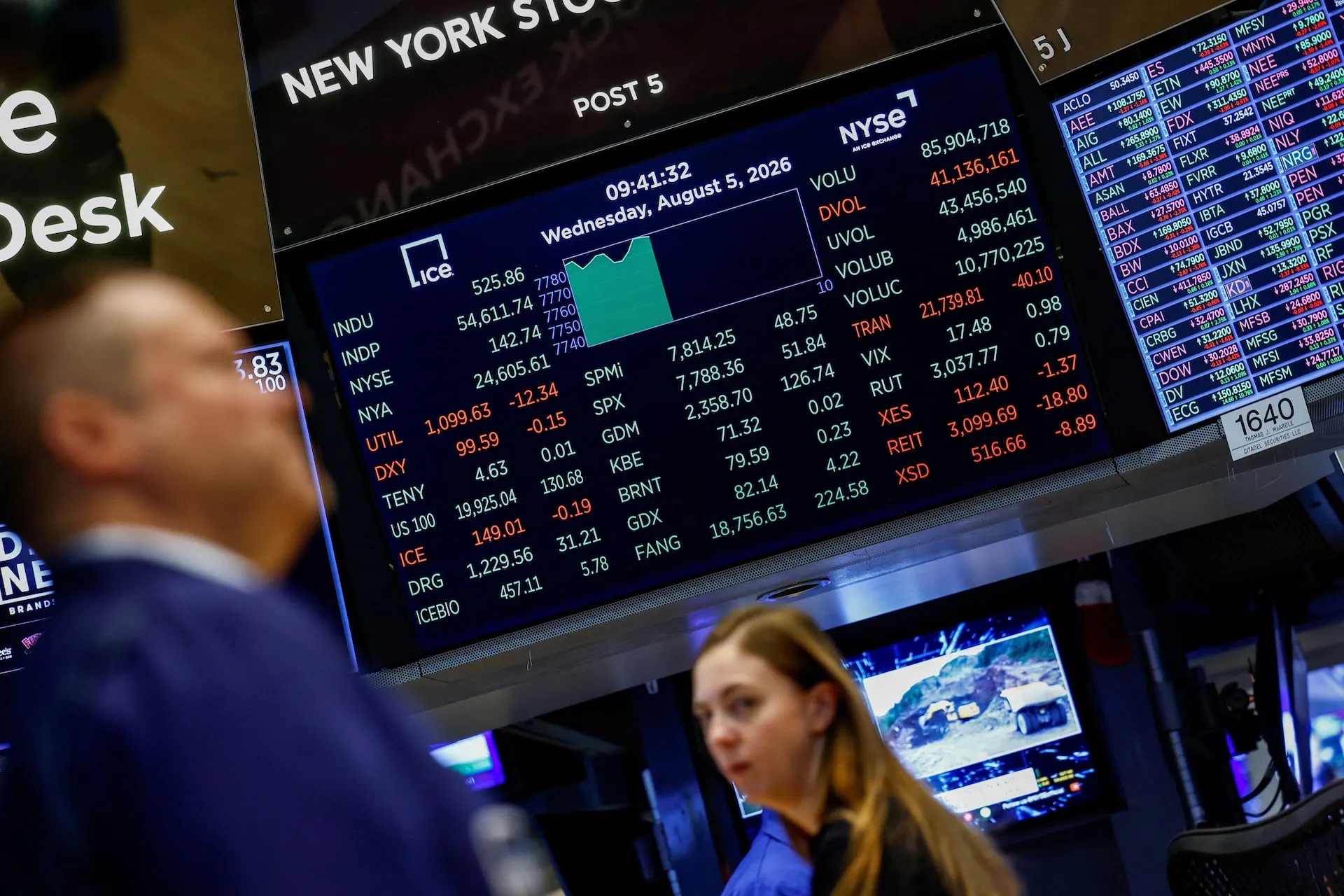
U.S. markets are currently hovering near a 20-year high on a price-to-sales basis, inevitably sparking whispers of a new dot-com bubble. But peek under the hood of the S&P 500, and the financial mechanics look entirely different than the blind exuberance of 1999. Today’s tech and infrastructure giants have solved a historically elusive puzzle: how to turn moderate sales growth into an absolute torrent of cash.
The Decoupling of Sales and Earnings
To understand where the market is heading, you have to look at the massive divergence happening on corporate balance sheets. The S&P 500 has gained 18% over the past year, pushing its forward Price-to-Sales (P/S) ratio to 3.26. That is just a breath away from its two-decade peak of 3.35, reached in June 2026.
Historically, this kind of multiple meant the market was priced for perfection, banking on revenue growth that might never arrive. But something fascinating has happened to the denominator of the valuation equation. The index's forward Price-to-Earnings (P/E) ratio has actually dropped to 19.81, comfortably near its 10-year average.
How does a market get more expensive on a sales basis but cheaper on an earnings basis? The answer is unprecedented corporate efficiency. Over the last 12 months, S&P 500 revenue estimates grew by a respectable 14%. But because modern tech companies operate with highly scalable, asset-light models, they successfully transformed that 14% revenue bump into a massive earnings boom.
The 11 AI Builders Redefining 'Cheap'
This structural shift in profitability prompted MarketWatch to run a rigorous screen on the S&P 500. Analysts hunted for companies trading below their historical average P/S ratios that still maintained consensus estimates for exceptional revenue growth through 2028. Only 11 stocks passed the test.
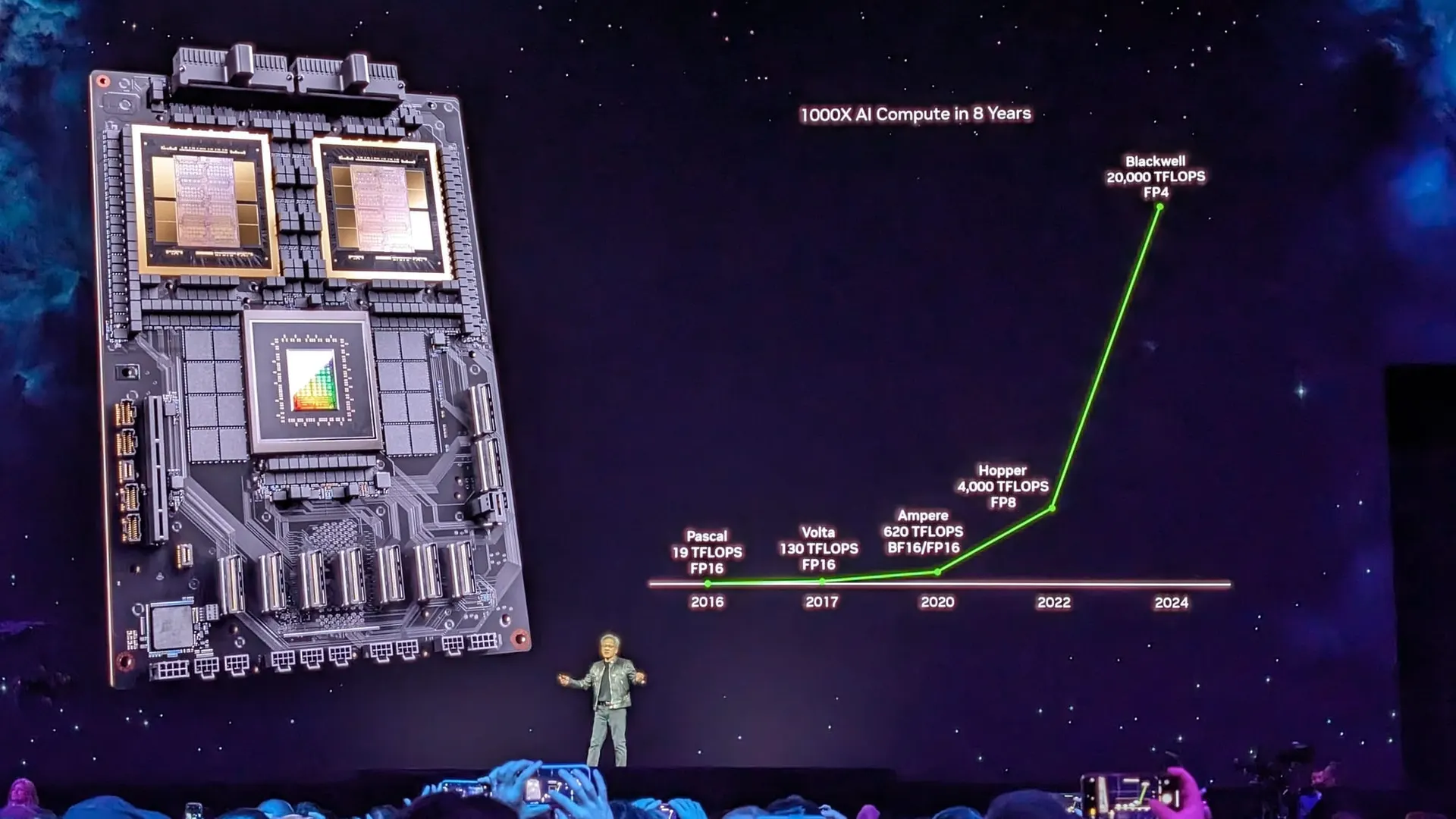
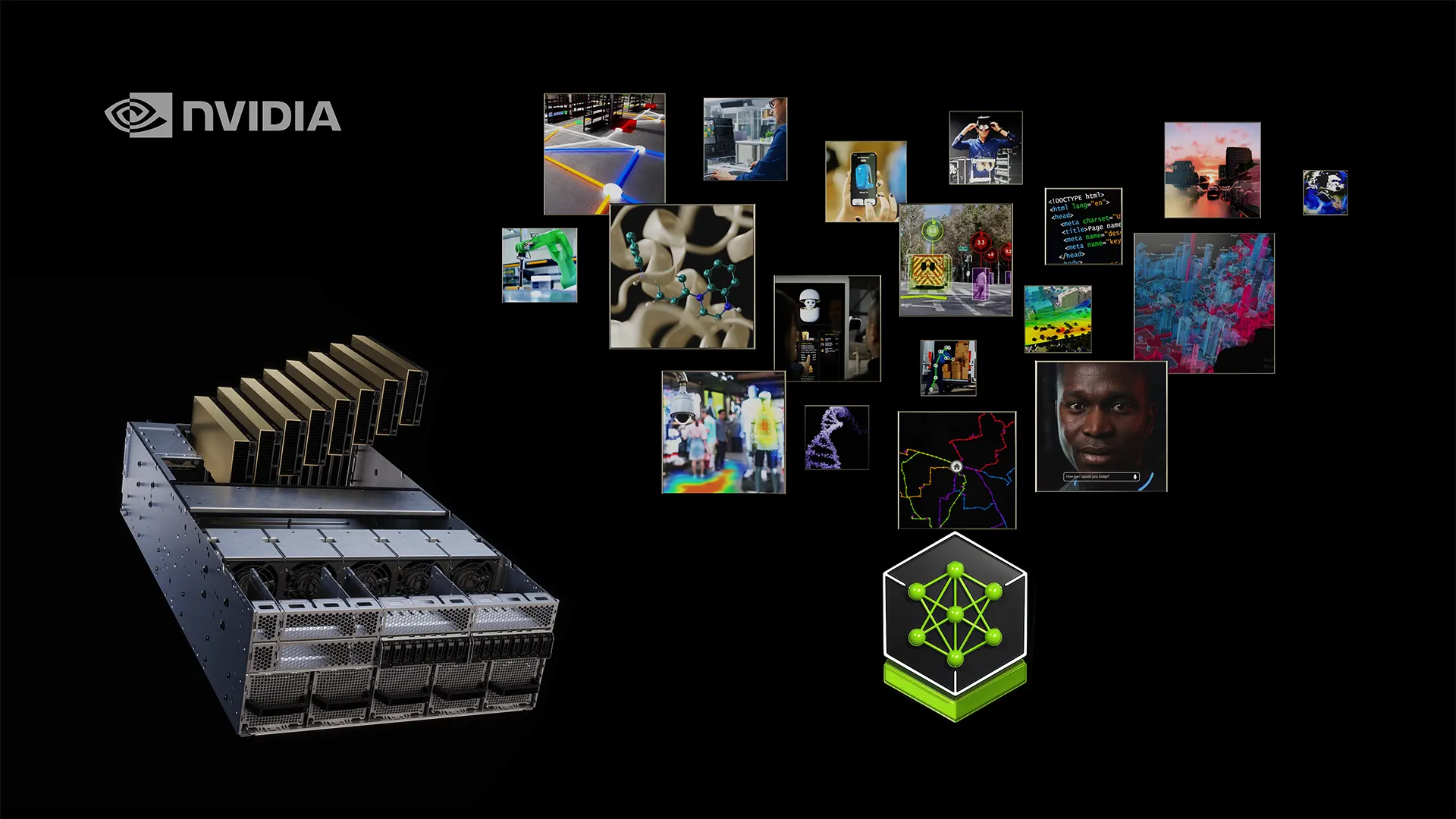
Unsurprisingly, the list is heavily populated by the architects of the AI revolution. Companies like Oracle, Super Micro Computer, and Nvidia made the cut. Despite their staggering stock runs, their underlying profit engines are running so hot that they remain historically undervalued on a relative basis.
“When profit margins are high, like they are now, the divergence between a rising price/sales ratio and a falling price/earnings ratio matters less.”— Ed Clissold
Perhaps the most telling inclusion on the list isn't a silicon darling, but Generac. Best known for manufacturing industrial backup generators, its presence proves that the next era of tech dominance is fundamentally an energy story. You cannot compute what you cannot power.
The Trillion-Dollar Power Grid Bottleneck
But spreadsheets don't build data centers. The primary threat to these 11 growth stocks isn't a lack of software demand—it is the stubborn reality of the physical world. The forecasted revenues through 2028 rely on thousands of new data centers coming online exactly as scheduled.
Right now, the industry is slamming into severe real-world bottlenecks. Securing enough land with proximity to high-voltage power lines is becoming a knife fight among hyperscalers. Cooling systems for next-generation chips require massive amounts of water and specialized hardware. If these infrastructure hurdles cause delays, the forward sales estimates holding these valuations together could quickly unravel.
Trading Momentum for Concrete Foundations
Overcoming this friction requires the tech industry to step outside its comfort zone. We are seeing aggressive, cross-sector innovation as software giants partner directly with utilities and hardware suppliers to modernize local grids. The AI build-out is moving from code repositories to concrete foundations.
As markets shift out of a holding pattern and look past the tech-driven selloffs of recent weeks, the rules of valuation are shifting. A high price-to-sales ratio used to be a warning sign of blind momentum. Today, when paired with massive earnings growth, it signals operational mastery. For investors willing to look past the surface of the index, the real opportunities lie with the companies building the physical scaffolding of the future.
What people are saying

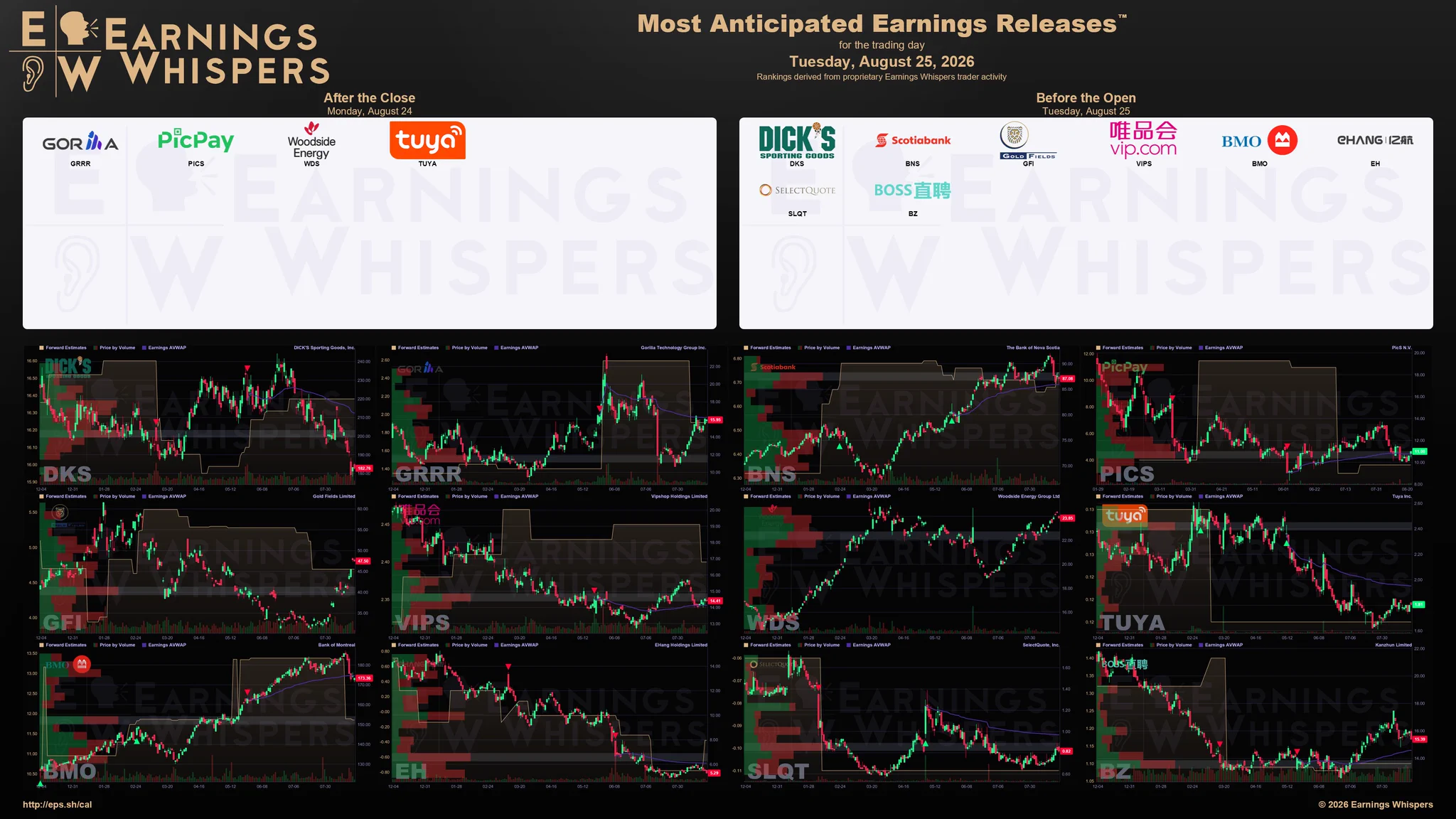
“#earnings after the close on Monday, August 24, 2026, and before the open on Tuesday, August 25, 2026 $DKS $GRRR $BNS $PICS $GFI $VIPS $WDS $TUYA $BMO $EH $SLQT $BZ”

“Yarın Wall Street kapanışının ardından sezonun en kritik bilançolarından biri geliyor: Nvidia ( $NVDA ). Sonuçlar, yapay zekâ altyapı döngüsünün gücü ve devasa sermaye harcaması planlarının sürdürülebilirliği açısından önemli bir gösterge olacak. Wall Street, Nvidia’nın 2027”


“Weekly NVIDIA Update NVIDIA EYES KOREA'S ANSWER TO ITS OWN CHIPS $NVDA is in early talks with Korean AI chip designer Rebellions about a technical partnership, an investment, or possibly an outright acquisition, with Jensen Huang hosting Rebellions CEO Sunghyun Park in Santa”
Decoding Today's Tech Valuations
More stories