Beyond the Autocomplete: How AI Agents Are Rewriting the Developer Workflow
Andrej Karpathy’s recent observations reveal a massive shift from writing code to orchestrating agents.
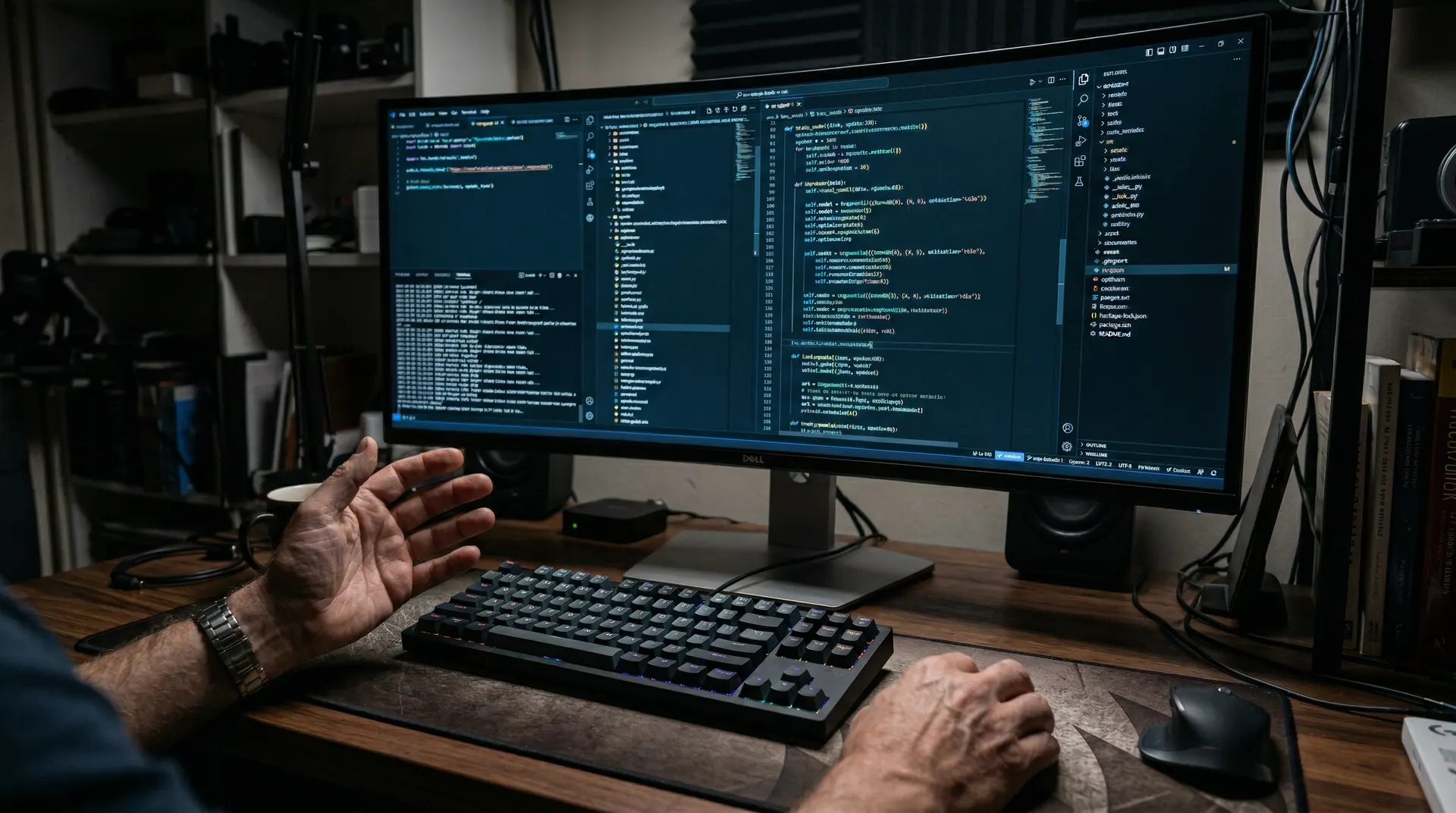
For decades, programming has been an exercise in manual labor—typing out logic one line at a time. But according to AI researcher Andrej Karpathy, that era is rapidly coming to an end. A recent chart from the Cursor code editor shows a dramatic flip: developers are increasingly trading simple "Tab" completions for high-level agent requests.
From Typing to Orchestrating
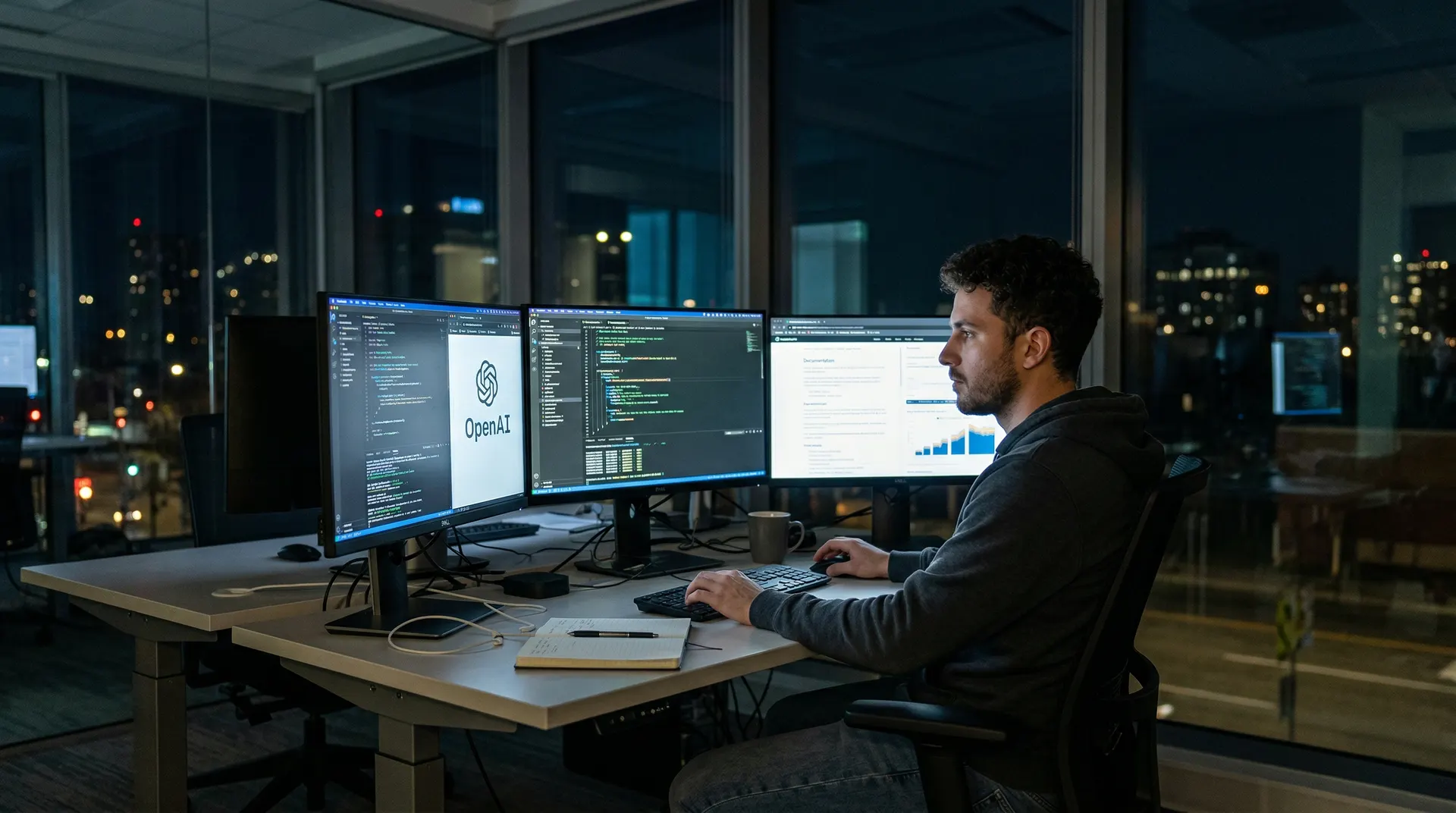
Karpathy, a co-founder of OpenAI, recently shared a startling personal statistic. In just four weeks between late 2025 and early 2026, his workflow inverted from 80% manual coding to 80% AI agent orchestration. Instead of writing functions, he now describes his intentions in English, letting autonomous models handle the implementation.
This shift is fueled by a new paradigm known as "Vibe Coding." It represents a moment where the boundary between a developer’s thought and the final execution dissolves. With improving model capabilities, every line of a project becomes a potential point of delegation rather than a chore to be typed out.
The financial world has taken notice of this transition. Anysphere, the startup behind Cursor, saw its annual revenue skyrocket from $1 million in 2023 to $500 million by late 2025. This growth reflects a massive user base that is now generating over 100 million lines of code every single day using these advanced tools.
The Risk of the Slopacolypse
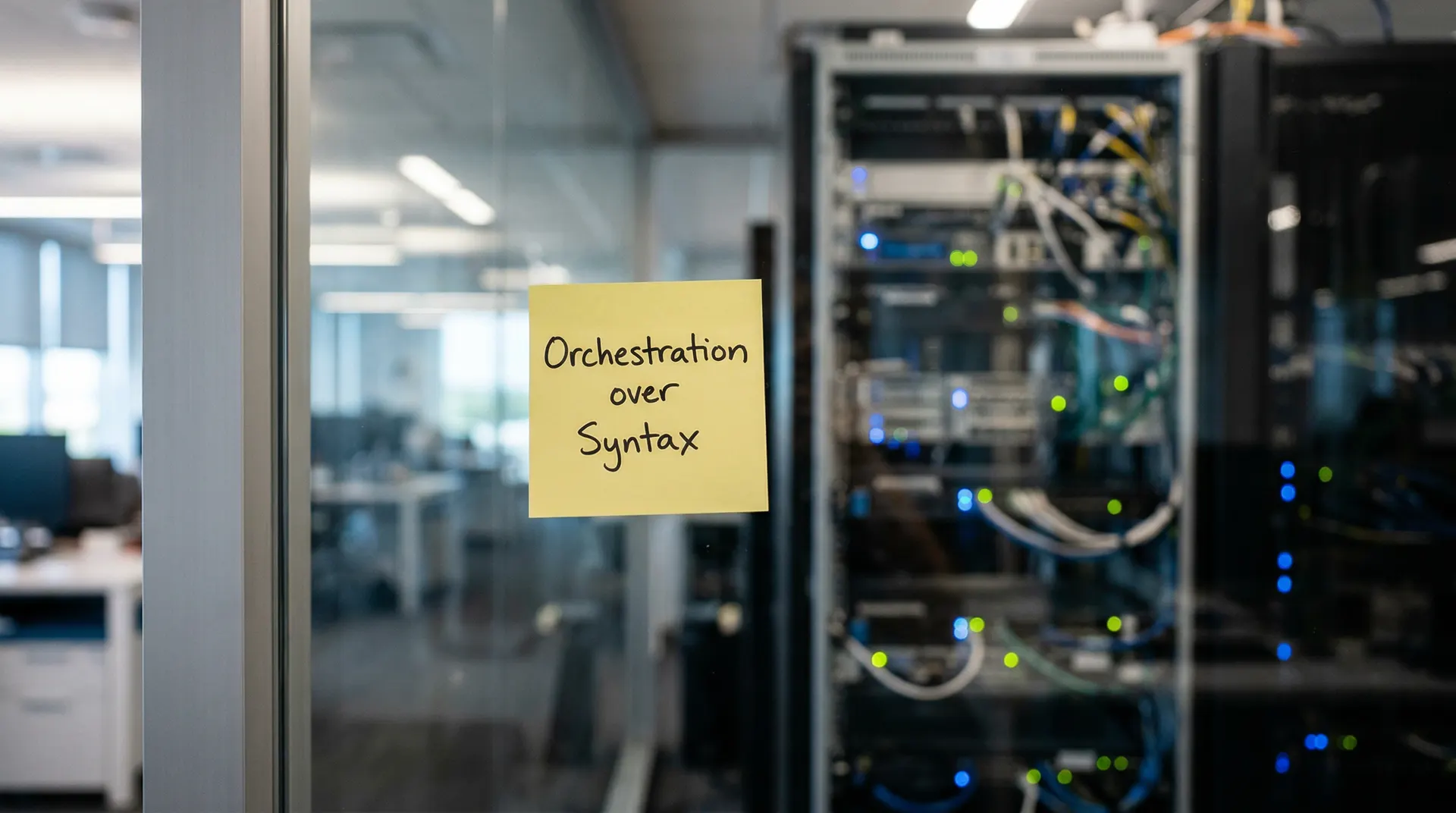
The leap from predictive autocomplete to autonomous agents is powered by tools like Cursor’s Composer. Unlike standard autocomplete, these agents can run terminal commands, fix bugs, and manage multiple files simultaneously. In early 2026, the tool even introduced the ability to run 20 parallel agents to handle large-scale system refactors in seconds.
“Junior developers are increasingly becoming 'code reviewers' rather than 'code writers.'”
However, this speed comes with a significant warning. Karpathy has coined the term "slopacolypse" to describe the potential for repositories to be flooded with low-quality, AI-generated code. While the software might work on the surface, it can accumulate hidden technical debt that is difficult for humans to maintain without the AI's help.
There is also a growing concern for the next generation of engineers. Junior developers are increasingly becoming "code reviewers" rather than "code writers." While this boosts immediate productivity, critics worry it might erode the deep mechanical understanding required to solve truly complex architectural problems when the AI eventually fails.
The Great Workflow Flip
More stories