The Physical AI Inflection Point: Why 2026 is the Year of the Humanoid
From industrial pilots to mass production, robots are finally stepping out of the lab and into the real world.
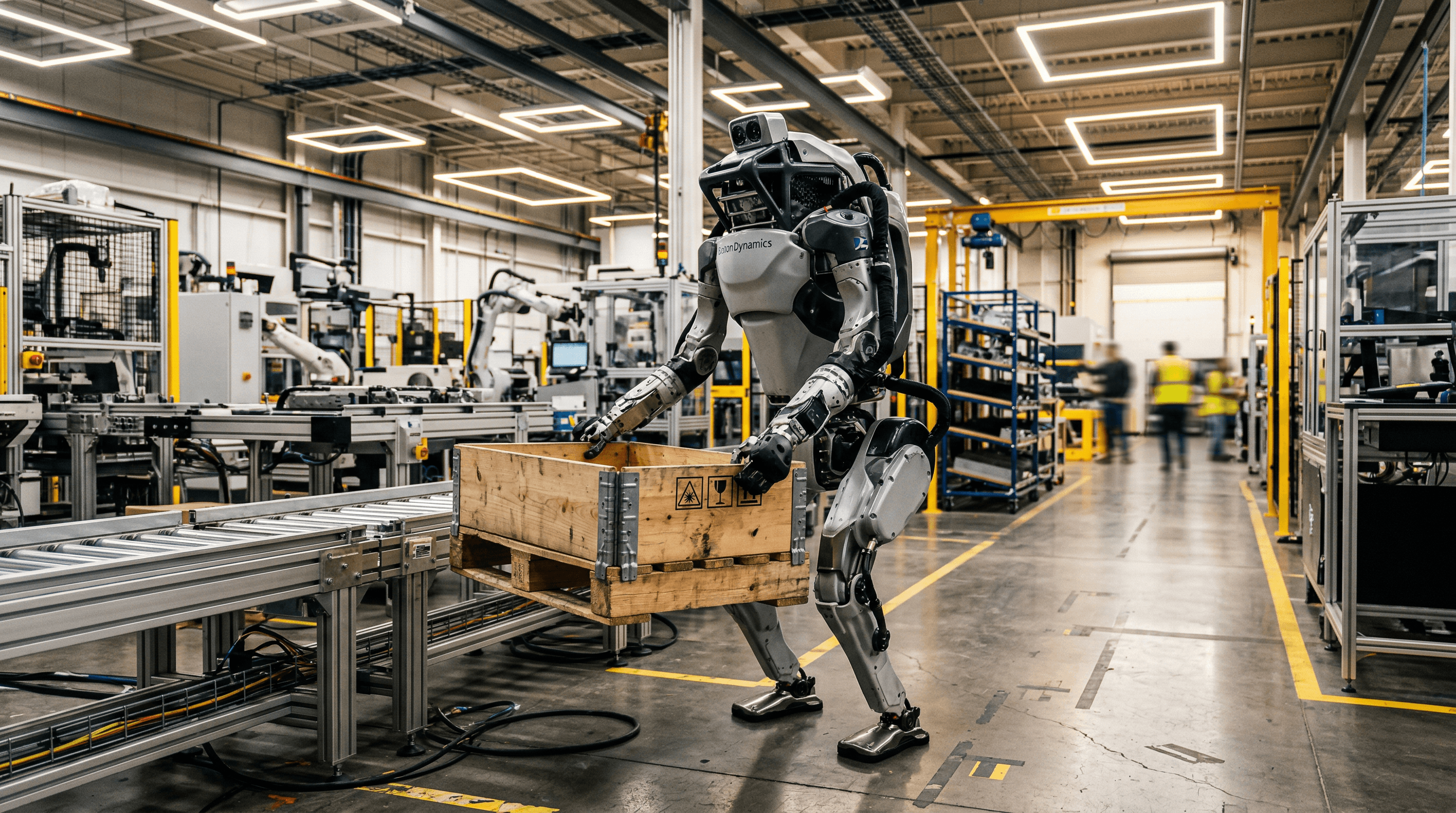
For decades, the humanoid robot was a staple of science fiction—impressive in controlled laboratory demos but famously clumsy in the wild. That narrative has shifted abruptly in early 2026. With the emergence of Vision-Language-Action (VLA) models, we are witnessing what industry leaders describe as the 'ChatGPT moment' for robotics, where machines finally begin to understand the physical world as intuitively as they understand text.
The End of Rigid Programming
The most significant technical leap this year is the transition from rigid C++ coding to end-to-end neural control. Figure AI recently demonstrated this shift with its Helix 02 model, which famously deleted over 100,000 lines of legacy code in favor of a single neural network. This 'Full-Body Autonomy' allows robots to perform nearly 70 consecutive hours of work with minimal errors, learning complex tasks through simple demonstration rather than manual programming.
Major tech giants are fueling this transition by integrating multimodal foundation models into physical hardware. Google DeepMind’s Gemini Robotics and Microsoft’s Rho-alpha models now enable robots to reason through 'long-horizon' tasks. Instead of being told exactly how to move every joint, a robot can now process a high-level command like 'clean the kitchen' and determine the necessary sequence of steps independently.
This shift toward 'General-Purpose' machines is also visible in hardware design. Boston Dynamics recently unveiled its all-electric Atlas, a machine with 56 degrees of freedom that moves with superhuman agility. Unlike its hydraulic predecessors, this version is designed for mass production, with initial fleets already being deployed to Hyundai facilities and Google research labs.
The 10-Week Payback Period
The economics of robotics have reached a startling crossroads in 2026. The global humanoid market has surged to over $8 billion, driven by claims that these machines now offer a payback period of less than 10 weeks in specific logistics roles. This ROI is making the technology irresistible to the industrial sector, even as Tesla pivots its Fremont facility toward producing one million Optimus units annually at a target price of $20,000.
However, this rapid deployment is not without its critics. While corporate optimists see humanoids as the only solution to a global labor gap and aging population, activists like Andrew Yang warn of a 'fuckening' where AI replaces both manual and cognitive entry-level roles. There is a growing concern that the 'experience ladder' for young workers is being dismantled, leaving no path for seniority in automated industries.
Beyond the factory floor, researchers are also making strides in 'soft robotics' for more delicate environments. New synapse-inspired controllers developed by MIT are allowing wearable robotic arms to assist with patient rehabilitation and personal care without the need for extensive retraining. As 45 states introduce new AI regulatory bills, the challenge for 2026 will be balancing this unprecedented efficiency with the social and ethical realities of a world where AI has finally found its body.
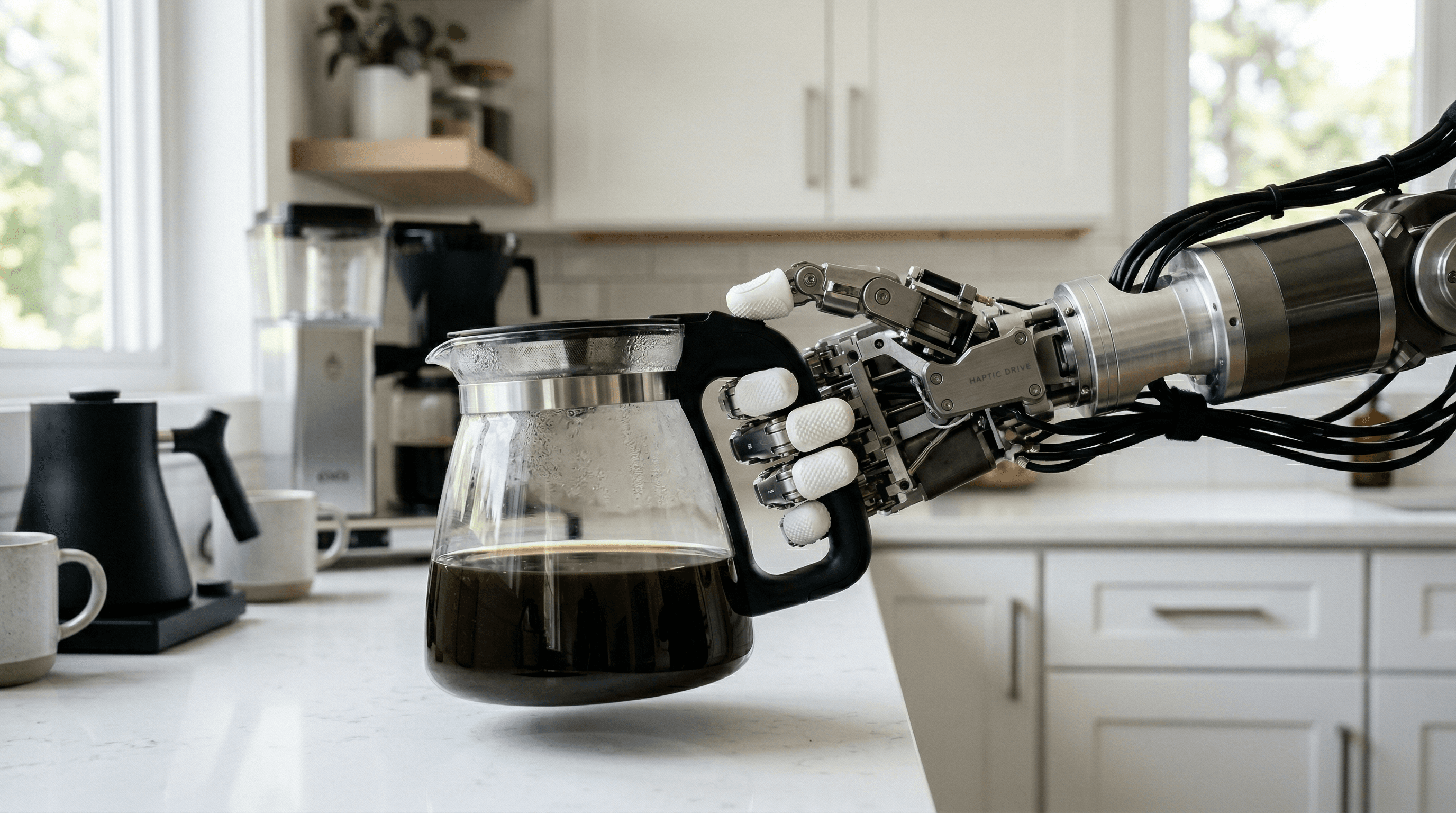
Evolution of Physical AI 2026
Small Model, Big Brain: The Rise of Qwen 3 0.6B
Alibaba Cloud's Qwen 3 0.6B brings complex reasoning and multilingual mastery to mobile devices, challenging the industry's obsession with size.
Beyond the Sandbox: Mastering Local Notification Testing in 2026
Transitioning from code to a user's lock screen requires more than just logic; it requires a robust local testing suite that bridges the gap between private machines and cloud services.
The Year of Quantum Engineering: Why 2026 is the Turning Point for Subatomic Power
2026 marks the transition of quantum computing from theoretical research to verifiable industrial utility, led by breakthroughs in error correction and hardware reliability.