Small Model, Big Brain: The Rise of Qwen 3 0.6B
Alibaba’s latest open-source release proves that massive parameter counts aren't the only path to intelligence.

For years, the AI arms race was defined by a simple mantra: bigger is better. Alibaba Cloud is now challenging that narrative with Qwen 3 0.6B, a tiny model that packs the punch of systems twenty times its size. By prioritizing "hybrid reasoning" over raw scale, this 600-million-parameter model is turning mobile phones into sophisticated logic engines.
Efficiency Meets Intelligence
The Qwen 3 0.6B model is a masterclass in architectural efficiency, utilizing a 28-layer transformer and 36 trillion tokens of training data. Despite its lightweight footprint—fitting comfortably within 2GB of VRAM—it handles tasks like math reasoning and coding with surprising agility. Its benchmark scores are particularly telling; it achieved a 77.6 on the MATH-500 test, a feat typically reserved for much larger enterprise-grade models.
What makes this possible is a technique called strong-to-weak distillation. Alibaba used its flagship 235-billion-parameter model to mentor the 0.6B version, effectively teaching the smaller model how to mimic the logic patterns of its giant sibling. This allows the model to remain coherent and idiomatic across 119 languages, far surpassing the utility of previous generations.
For developers, the appeal lies in accessibility. Released under the Apache 2.0 license, it offers a plug-and-play solution for on-device applications. This shift means that high-quality AI interaction is no longer gated behind expensive cloud infrastructure or high-end GPUs.
The Logic of the Thinking Toggle
The standout feature of Qwen 3 0.6B is its Hybrid Reasoning architecture, which introduces a hidden Chain-of-Thought process. When faced with a complex query, the model creates an internal scratchpad—marked by think tags—to work through logic before delivering a final answer. This allows the model to switch between lightning-fast conversational chat and deep, deliberate problem-solving.
However, this innovation comes with a learning curve for the user community. Early adopters on platforms like LocalLLaMA have noted that triggering this thinking budget requires specific system prompts that aren't yet standardized in common tools. While the potential is immense, the user interface for small-model reasoning is still catching up to the underlying math.
There is also an ongoing debate regarding the use of synthetic data in its training. While some researchers worry that models trained on AI-generated data might be fragile when facing entirely new scenarios, the real-world performance of Qwen 3 suggests otherwise. For now, it stands as an industrial indicator that the future of AI may not be in the clouds, but in our pockets.
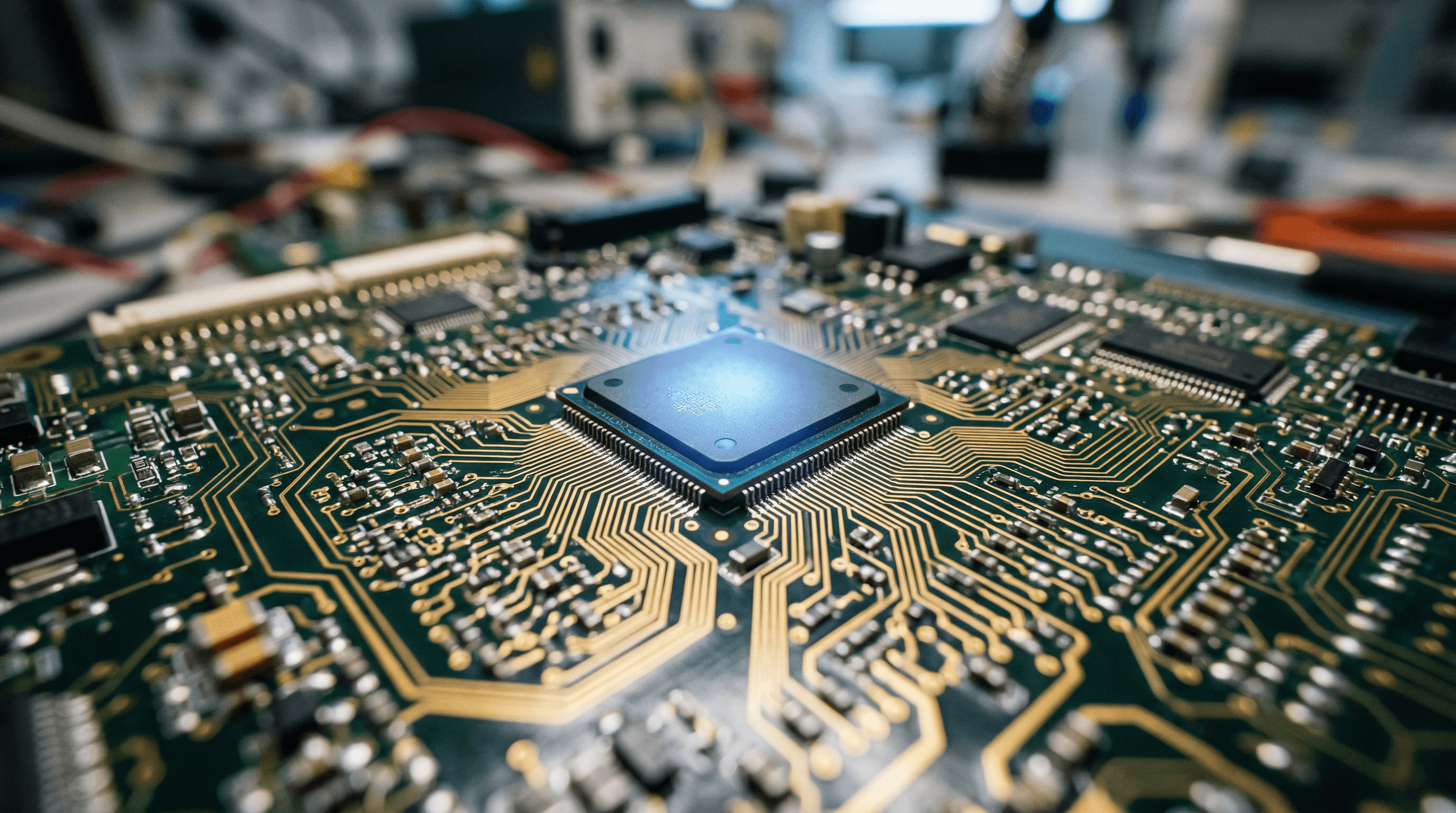
Qwen 3 0.6B Reasoning Powerhouse
Beyond the Sandbox: Mastering Local Notification Testing in 2026
Transitioning from code to a user's lock screen requires more than just logic; it requires a robust local testing suite that bridges the gap between private machines and cloud services.
The Year of Quantum Engineering: Why 2026 is the Turning Point for Subatomic Power
2026 marks the transition of quantum computing from theoretical research to verifiable industrial utility, led by breakthroughs in error correction and hardware reliability.
The Invisible Revolution: Bringing Quantum Power to Everyday Devices by 2030
By 2030, quantum technology will move from specialized labs into consumer electronics, transforming security and sensing without the need for extreme cooling.