PewDiePie Rejects YouTube Algorithm in Bold Move Toward Digital Autonomy
After mastering the game, the world's most-followed creator is advising fans to 'kill the reels' and reclaim their attention spans.
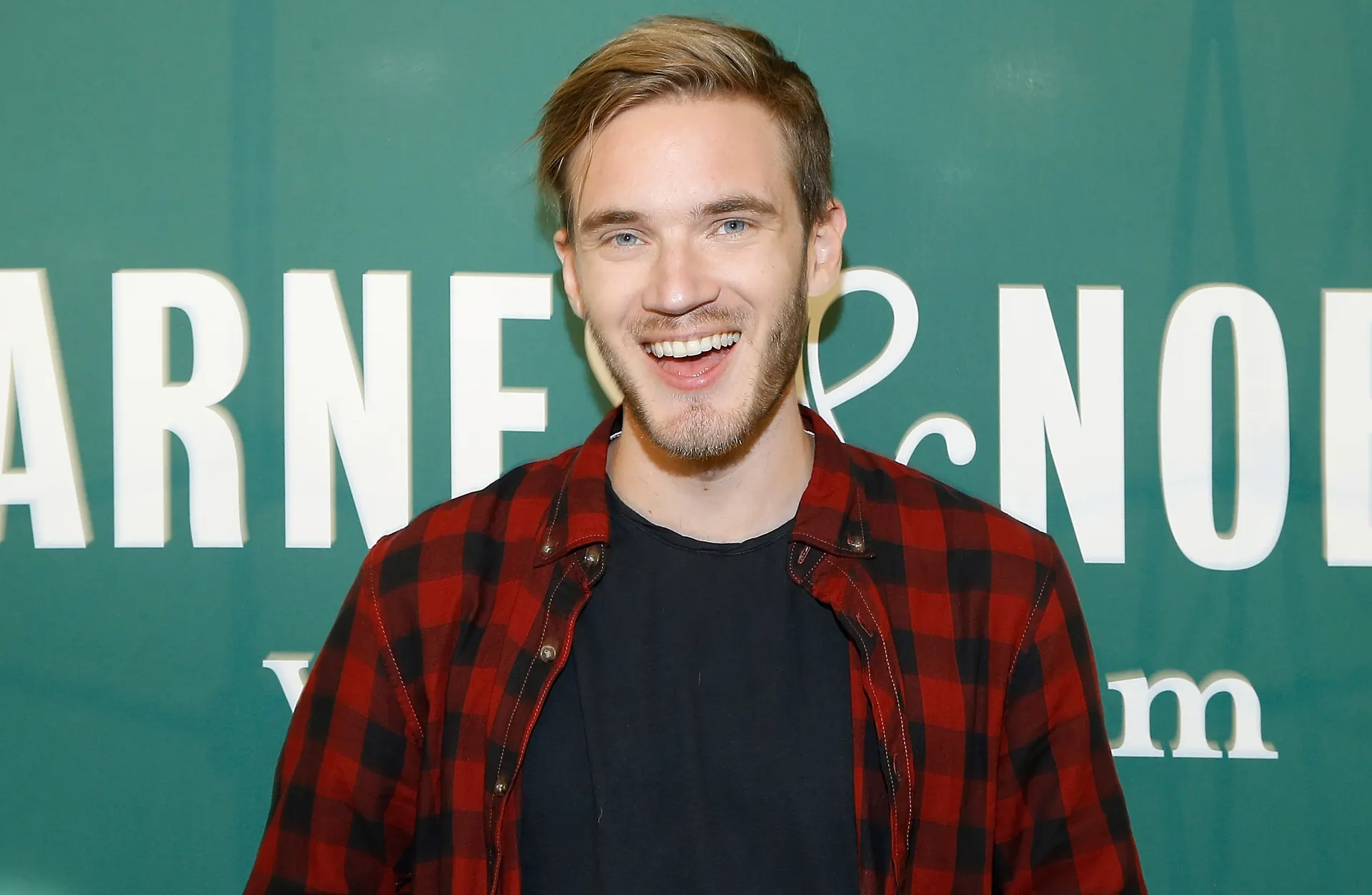
For years, Felix Kjellberg—known to the world as PewDiePie—was the undisputed king of the YouTube algorithm, turning platform growth into a cultural empire. Today, he’s doing something far more radical: he’s telling his audience to stop playing the game entirely. In a candid new video, Kjellberg frames the modern recommendation engine not as a tool for discovery, but as a dangerous machine designed to erode human intent.
The War on Autopilot Consumption
Kjellberg’s argument is simple but jarring: if you aren't making active choices about what you consume, you’ve surrendered your identity to the black box of an algorithm. He describes this as living on 'autopilot,' a state of passive dopamine seeking where the platform decides your reality. For a man who built a career on understanding the nuances of creator growth, this shift feels like a dramatic betrayal of the very system that made him a millionaire.
“if you aren't making active choices about what you consume, you've surrendered your identity to the black box of an algorithm.”
His proposed solution is a return to a more primitive, intentional version of the internet. Kjellberg advocates for a 'scorched earth' approach to digital hygiene: unfollowing everyone, blocking short-form video formats like Reels, and implementing DNS-level blocking to prevent tracking. He suggests that by adding friction—making it harder to mindlessly scroll—users can break the cycle of platform-driven addiction.
Building a Digital Future Beyond Big Tech
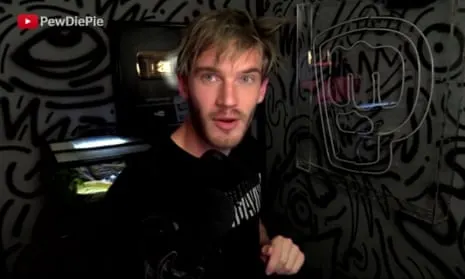
This isn't just about deleting apps; it is part of a larger trend toward digital sovereignty. Kjellberg’s recent pivot into local AI fine-tuning suggests a future where people build their own 'digital brains' rather than relying on massive, centralized cloud services. By self-hosting data and hardware, he argues, individuals can step out from under the thumb of corporate interfaces that view users only as engagement metrics.
While some critics label this shift as an elitist fantasy that ignores the accessibility of major platforms, Kjellberg’s message has struck a chord with a growing community of 'homelab' enthusiasts and privacy advocates. We are likely entering a phase where the most 'online' people will be the ones who opt for the most 'offline' infrastructure. As the creator economy matures, the ultimate status symbol may no longer be views or followers, but the ability to build and control one's own digital ecosystem.
Escaping the Feed
More stories