Nvidia Develops Vera Rubin Space-1 Chips for Orbital Data Centers
Jensen Huang is taking AI infrastructure to the vacuum of space to bypass terrestrial cooling limits.
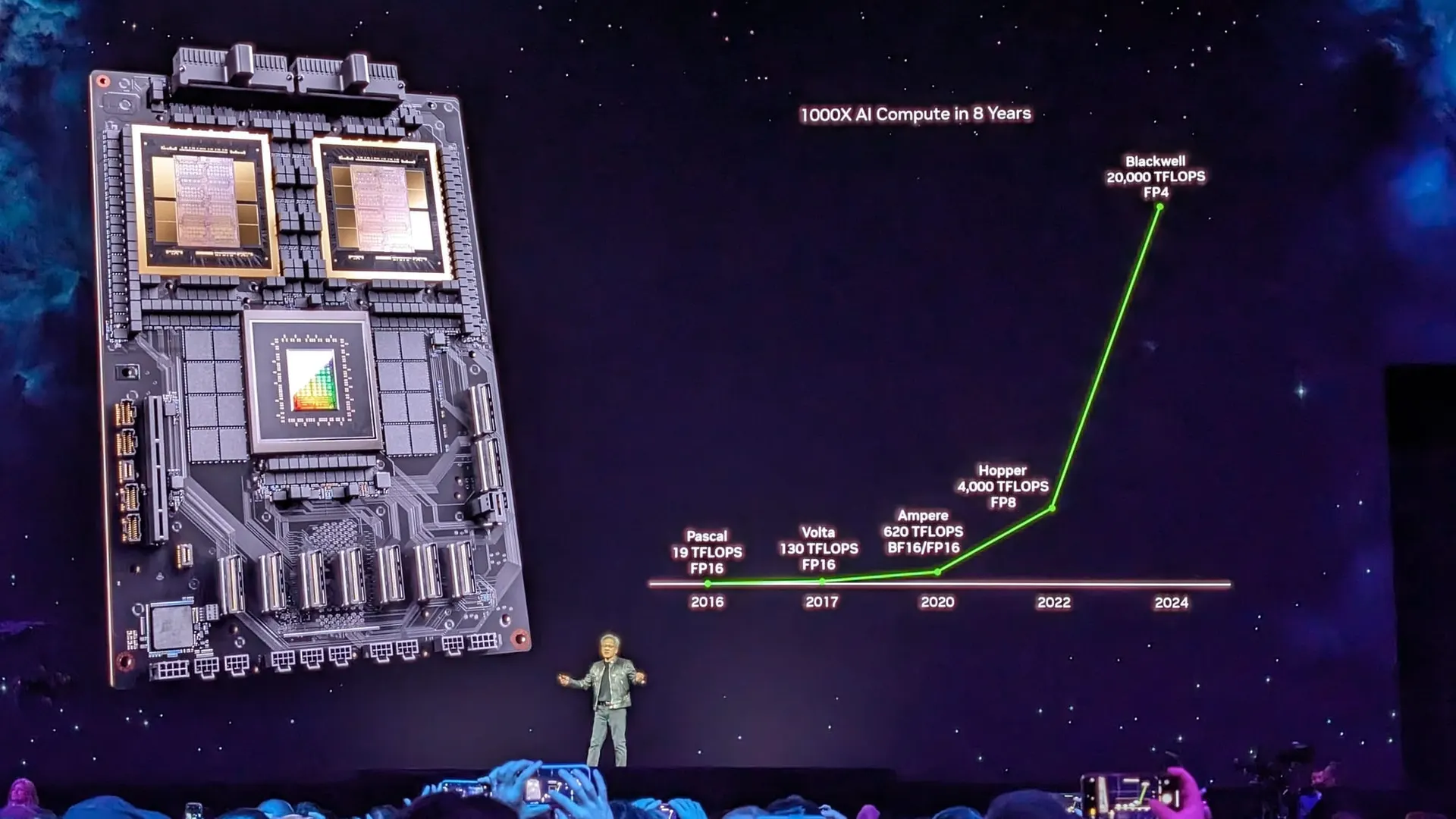
The biggest bottleneck for the next generation of AI isn't silicon—it's the heat. Nvidia CEO Jensen Huang has revealed a solution that sounds like science fiction: launching data centers into orbit. The newly announced Nvidia Vera Rubin Space-1 system aims to house high-performance computing in the vacuum of space, fundamentally shifting how we approach physical thermal management.
Solving the Cooling Conundrum
On Earth, cooling a data center is a brutal, energy-intensive process that relies on conduction and convection to move heat away from processors. Once you enter the vacuum of space, those rules vanish. There is no air to blow across a heat sink, and no fluid to circulate through cooling pipes. You are left with only one way to shed the massive thermal loads generated by AI training: radiation.
Jensen Huang’s team is now betting that they can harness this physics quirk. By building hardware specifically designed for orbital conditions, Nvidia aims to bypass the expensive terrestrial infrastructure required to keep GPUs from melting. It’s a transition from fighting the environment to using the vacuum as an ultimate insulator, provided they can master the radiative heat transfer necessary to keep the chips operational.
The Next Frontier of Infrastructure

The implications for the tech industry are profound. If Nvidia succeeds in creating a functional, space-based server architecture, it could unlock a new tier of computing that isn't tethered to national power grids or local cooling capacity. This isn't just about scaling AI; it’s about decoupling the compute engine from the constraints of our planet’s resources.
“Nvidia is once again changing the map by simply moving the data center off it.”
We are looking at a future where the most critical AI models are trained in a permanent 'cold' environment, miles above the atmosphere. While the engineering hurdles are immense—ranging from orbital radiation shielding to the logistics of deployment—the move signals a pivot toward a more aggressive, extraterrestrial infrastructure strategy. Nvidia is once again changing the map by simply moving the data center off it.
Datacenters Leave the Planet
More stories