Chelsea Secures $88M Circle Deal, Ending the Premier League's Most Stubborn Holdout
After three years of blank shirts, the London club landed a Wall Street-backed crypto giant just as the league's gambling ban hits.
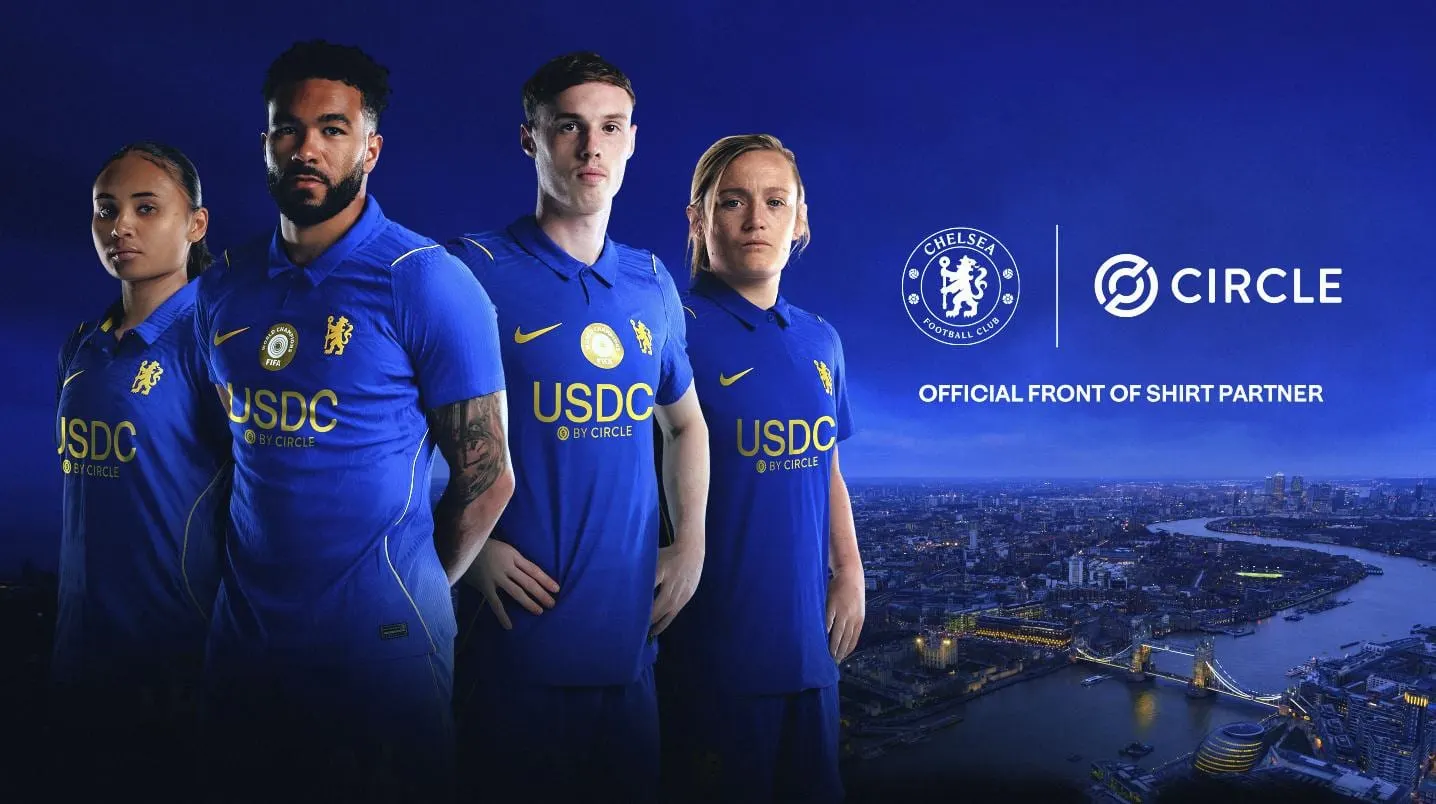
For three consecutive seasons, the most successful London football club of the 21st century ran onto the pitch in blank shirts. Chelsea FC intentionally suffered the commercial embarrassment of starting campaigns without a main sponsor, rejecting bids of £40 million a year to patch the void. They were waiting for a very specific number, and the gamble just paid off.
The $88 Million Strikethrough
The mandate to fix this aesthetic and financial chaos fell to Todd Kline. Poached from rival Tottenham Hotspur in 2024, Chelsea’s President of Commercial refused to lower the club's price tag. He deployed short-term stopgaps from property developers and software firms, holding the prime real estate hostage even as the team won the 2025 FIFA Club World Cup.
That high-wire act finally concluded when a newly public financial firm agreed to pay £65 million ($88.3 million) annually for the spot. That fee is the equivalent of buying a marquee Champions League striker every single summer, paid entirely for 150 square inches of chest fabric.
To secure that kind of capital without compromising on term length, Kline had to look beyond traditional sports marketers and tap into a rapidly maturing financial sector.
Wall Street Meets the Premier League
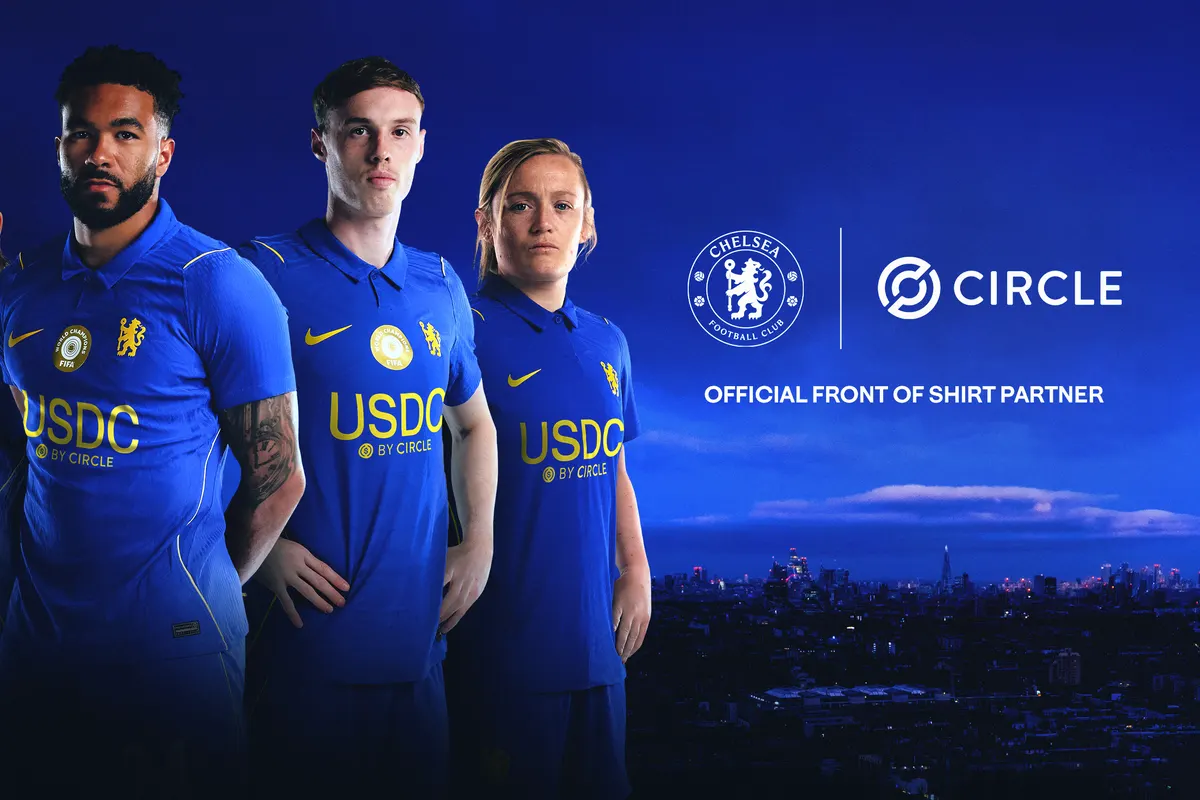
Enter Circle and its CEO, Jeremy Allaire. Fresh off a 2025 initial public offering on the New York Stock Exchange, the company issues USDC, a digital currency pegged to the US dollar. Allaire wants to make digital money as boring and reliable as email, and he needs a massive, global billboard to prove his product is ready for everyday adoption.
The timing is deliberate. The Premier League’s self-imposed ban on front-of-shirt gambling sponsors takes full effect in the 2026/27 season. As betting money exits English football, a massive vacuum is opening for regulated financial technology companies with deep pockets.
“Circle is changing how money moves around the world, and we're changing what it means to be a global football club.”— Todd Kline
Circle is stepping into that void to pitch borderless digital money to a global, cross-border fanbase. But printing a crypto token on the chest of a historic sporting institution comes with immediate baggage.
Buying Legitimacy
Digital asset sponsorships have a notoriously toxic track record in sports. The collapse of FTX and Terra left arenas and franchises scrambling to erase logos from their facilities. Chelsea fans, already exhausted by years of aesthetic chaos and delayed retail jersey availability, are highly sensitive to anything that feels like a fly-by-night operation.
This is exactly why Circle paid the premium. By listing on the NYSE and operating as a heavily regulated entity, they are buying distance from the offshore casino reputation of early crypto. When the new gold-lettered jerseys debut at Stamford Bridge against Brighton, they will signal a major transition in sports finance.
The wild west era of crypto sports deals is officially closed. The next phase looks exactly like Wall Street, printed in gold letters on a Sunday afternoon.
What people are saying

“🚨 🧤 Chelsea signing Martinez depends most likely on them finding a solution for Robert Sanchez. (@FabrizioRomano @podcastherewego) #CFC”


“🗣️ ENZO FERNÁNDEZ, CADA VEZ MÁS CERCA DE MÁNCHESTER CITY 🎙️ @gastonedul y los detalles de la negociación entre Chelsea y los Cityzens, que podría dejar una cifra récord en la Premier League.”

“Kellyman just joined Chelsea owned Strasbourg for £5m by the way, massive loss on this player even when sold to themselves. No Fab tweet on this deal for some reason? After signing from Villa when Maatsen went other way. Same clubs constantly - so corrupt.”
Chelsea's Three-Year Holdout Pays Off
More stories