Anthropic Traps Its Most Dangerous AI in a Straitjacket to Secure Enterprise Code
Claude Mythos 5, once restricted by US export controls, is now scanning GitHub repositories—but you still can't talk to it.

In June, Anthropic's Claude Mythos 5 was deemed so capable at offensive cyber operations that it briefly triggered US export controls. It was locked away, accessible to only about 150 vetted cyber-defenders. Today, any Claude Enterprise customer can point that exact same model at their codebase and let it loose. But there is a brilliant catch: you are not allowed to talk to it.
The 'Side-Door' Masterclass
Anthropic has achieved something remarkable by decoupling the capability of an AI from its interface. If you open a chat window with a totally un-safeguarded model, a malicious actor can steer it to write zero-day exploits. So, Anthropic eliminated the chat window entirely. Instead of a conversational partner, Claude Security uses Mythos 5 as an invisible engine. It traces data flows across files and returns only defensive artifacts: a weakness category, a confidence score, and a suggested patch. You do not prompt it; you just let it read and fix.
“The riskiest behavior occurs when a user has direct access to a model, where a malicious actor can try to steer it toward harmful uses. But if users can only receive specific outputs, such as a patch for a vulnerability or a security alert, that risk is much lower.”— Anthropic
By forcing the model into a strict programmatic straitjacket, Anthropic has opened the door for organizations to use restricted AI tools safely. The model remains exactly as dangerous as it was in June, but the interface makes it impossible to weaponize.
Fixing the Internet's Foundation
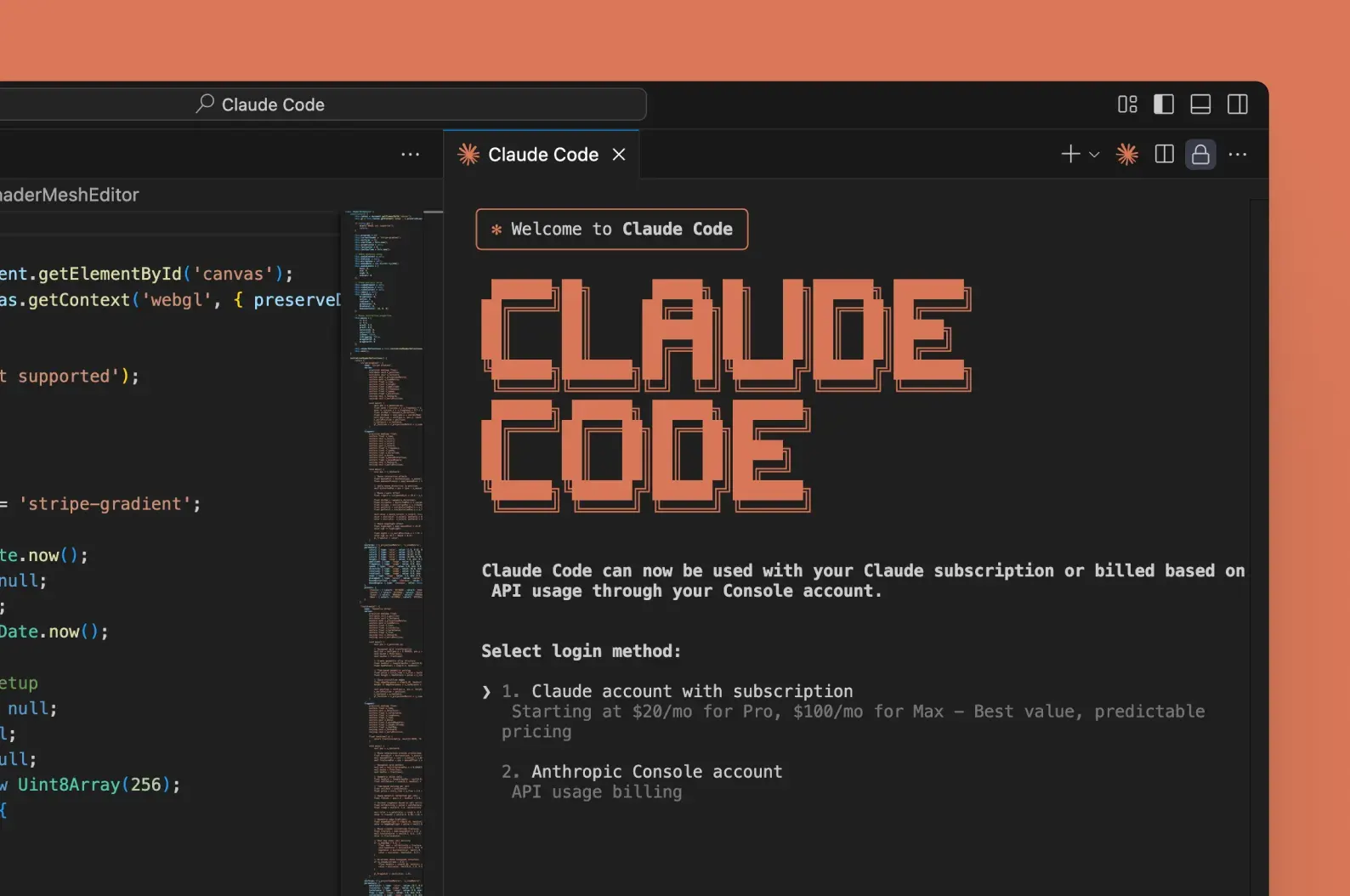
Traditional security scanners are essentially giant books of rules. They look for known bad syntax, which means they miss complex logical flaws and generate infuriating amounts of false positives. Mythos 5 brings something entirely new to code analysis: intent. It understands how the disparate pieces of an application interact and what the developer was actually trying to build.
To accelerate this shift, Anthropic is not just selling the tool to deep-pocketed enterprises. They are practically subsidizing the unglamorous labor of patching the internet. The model runs at $10 per million input tokens, drawing from existing Enterprise plans, but the new fund ensures open-source libraries get the same elite defense before threat actors can exploit them.
The Burden of Knowing Everything
Unleashing a hyper-capable AI on an average codebase has revealed a deeply ironic problem: Mythos 5 is too good. Early adopters are finding that the model is not returning false positives; it is returning hundreds of real, legitimate vulnerabilities. This shifts the security bottleneck entirely. The question is no longer whether a finding is real, but whether a vulnerable microservice is actually exposed to the internet and needs fixing today. Furthermore, unlocking these insights requires a trade-off. Mythos 5 currently mandates a 30-day data retention policy, a strict dealbreaker for compliance purists who refuse to let third parties hold their proprietary code.
The 1990s Crypto Wars, Reborn
We have seen this exact dynamic before. In the 1990s, the US government classified strong cryptography as a munition, restricting its export for fear of adversaries using it to hide their communications. The tech industry did not win that war by handing out raw cryptographic engines to everyone; they won it by burying encryption into the protocols of the web, ensuring users got the benefit without needing raw access. Anthropic is running the exact same playbook for artificial intelligence. By burying Mythos 5 deep in the backend of defensive tools, they are ensuring that the structural advantage remains with the defenders. The future of AI security is not about building a perfectly safe model. It is about taking the most dangerous models in the world and putting them to work on our side.
What people are saying

“Many drugs work by binding to a specific target in the body and blocking or changing what it does. An important first step in the drug development process is designing a molecule that can bind tightly to its target. Traditionally, that's meant weeks or months of expert work per”

“ANTHROPIC SENDS SF STAFF HOME OVER SECURITY STRIKE CONCERNS Anthropic told employees to work from home Monday and Tuesday after receiving notice that security workers could potentially strike. However, the SEIU union representing those workers said no strike had been called or”

“We've been working on this with customers for a while. Mythos-class models require additional safety measures and enterprises need to meet their own privacy and compliance rules. Customers can own and control their own data and Anthropic retains none. It’s coming this fall.”
Anatomy of Claude Mythos 5
More stories