
Tesla Semi Wins Over Truckers With Unexpected Ergonomic and Operational Gains
Operators are reporting lower physical fatigue and significant maintenance savings, fueling momentum for the electric heavy-duty fleet.
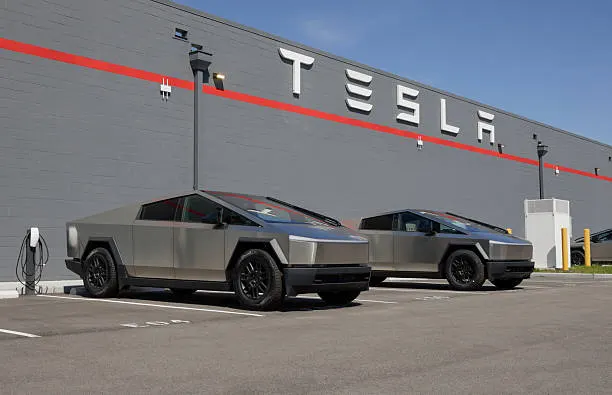
For decades, the trucking industry has been defined by the roar of diesel engines, the grind of gear shifts, and the physical toll of long hours on the road. Now, that reality is shifting. The Tesla Semi is currently undergoing real-world pilot testing, and the feedback from those behind the wheel is shifting the conversation from technical curiosity to genuine enthusiasm.
The Comfort and Cost Calculus
The appeal of the Semi isn't just about electrification; it's about a complete redesign of the driver's environment. Angel Rodriguez, a 56-year-old truck driver, found that the transition from a traditional 13-gear manual transmission to the Semi’s automatic, clutch-less operation dramatically reduced his physical stress during long shifts. By centralizing the driving position and focusing on visibility, the vehicle is addressing the long-term wear and tear that typically plagues commercial drivers.
From an operational standpoint, the numbers are beginning to align with the promises. Fleet managers, such as those at Big F Transport, note that the electric powertrain significantly reduces the complexity of vehicle maintenance. According to Geovanny Melendez, transitioning to an all-electric fleet could cut the need for large, specialized mechanical teams for powertrain service, moving the focus to simple chassis maintenance. Despite a purchase price around $290,000—competitive compared to the $435,000 average for other Class 8 zero-emission trucks—the long-term total cost of ownership is proving to be the primary driver for adoption.
Redefining the Delivery Radius

Perhaps the most significant breakthrough is the Semi's 500-mile range. While other electric rigs have struggled to move beyond short, local shuttle runs, the Tesla Semi’s ability to handle regional loops—such as the route from the Port of Long Beach to Las Vegas—opens up new economic possibilities for companies like King Fio Trucking. CEO Jennie Abarca sees this as a fundamental shift in business capability, enabling delivery routes that were previously unreachable without burning fossil fuels.
“the Tesla Semi is establishing itself not as a novelty, but as the new benchmark for heavy-duty, zero-emission logistics.”
Looking ahead, the success of the Semi signals a turning point in logistics. As infrastructure like Tesla's high-speed Megachargers scales, the barrier to adoption for long-haul routes will continue to lower. The industry is currently in a 'proof of work' phase, but as more firms secure grants and integrate these vehicles into their operations, the Tesla Semi is establishing itself not as a novelty, but as the new benchmark for heavy-duty, zero-emission logistics.
Why Truckers Are Converting
More stories