
Tesla Semi Fleet Hits 13.5 Million Miles in Real-World Stress Test
With 95% fleet uptime and rapid repair turnarounds, Tesla is proving that electric heavy-hauling is no longer a pilot project.
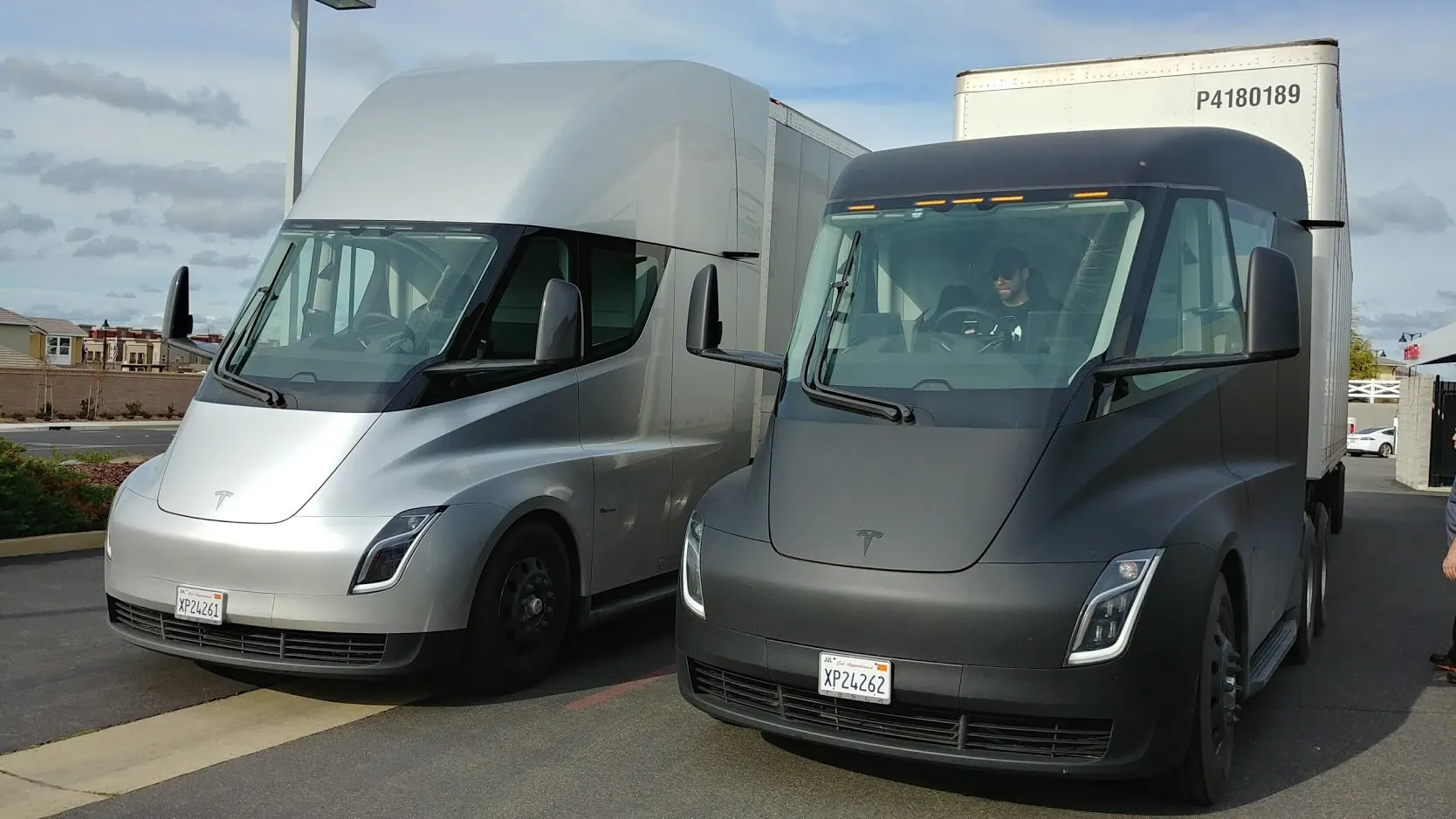
Forget the speculative mockups and the cautious prototypes. As of March 2026, the Tesla Semi has quietly logged 13.5 million miles on public roads, performing the grueling, high-torque work of long-haul freight. This isn't just a win for electric vehicle enthusiasts; it is a signal that the heavy-duty logistics industry is on the verge of a fundamental operational shift.
Turning Reliability Into a Competitive Moat
During a technical deep dive on *Jay Leno’s Garage*, Tesla Semi Program Director Dan Priestley and Chief Designer Franz von Holzhausen revealed that the current fleet of several hundred trucks is maintaining a 95% uptime rate. In the world of logistics, where every hour a truck sits idle represents lost revenue, this reliability is the real headline. The data suggests that Tesla has cracked the code on maintenance efficiency: 80% of service issues are resolved within 24 hours, and nearly half of all incidents are handled in under an hour.
This performance is bolstered by a design philosophy borrowed from the Cybertruck, including a 48-volt architecture and advanced actuators. The company is also utilizing 4680 battery cells specifically engineered to withstand the million-mile lifespan required for commercial duty. For fleet operators like PepsiCo, which have been stress-testing these vehicles in diverse environments ranging from mountain passes to cold-weather regions, the result is an operational cost that is 50% lower per mile in energy costs compared to diesel, and roughly 20% cheaper on a total cost of ownership basis.
The Road Ahead for Heavy-Duty Electric
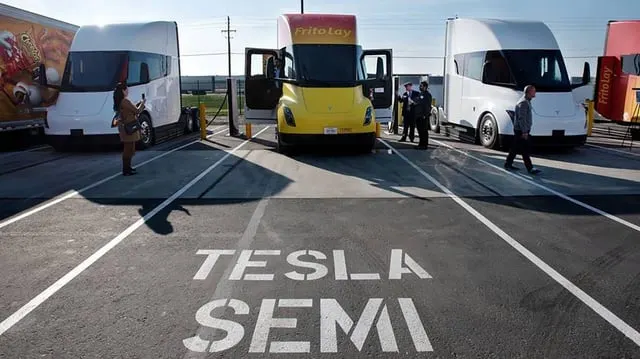
The transition to an electric-first logistics model is not without its hurdles. The primary challenge remains the build-out of a national megawatt-level charging infrastructure capable of supporting a high-frequency freight network. Furthermore, while Tesla’s service efficiency is high, the company faces the daunting task of scaling a support network to compete with the ubiquity of established diesel-engine manufacturers like Volvo and PACCAR.
“The conversation has shifted from whether electric trucks can handle the physics of heavy-duty hauling to how quickly they can scale to replace diesel.”
However, the sheer weight of the data—13.5 million miles of successful operation—is effectively closing the door on the 'if' debate. The conversation has shifted from whether electric trucks can handle the physics of heavy-duty hauling to how quickly they can scale to replace diesel. As the factory in Northern Nevada ramps up toward higher volume production, the Tesla Semi is no longer a test case; it is rapidly becoming a standard-setting platform for the future of global logistics.
Electric Freight vs Diesel
More stories