SpaceX and NVIDIA Partner on Orbital Data Centers to Bypass Earth's Power Grid
A historic 100th rocket launch, space-bound AI servers, and next-gen humanoid robotics reveal a unified roadmap for a post-labor economy.
On August 18, 2026, Elon Musk dropped a typo-laden rallying cry on X: "There is a potential future that is super amazing is we all fight hard to achieve it." It looked like a standard philosophical musing. But behind the scenes, his companies were executing one of the most aggressive weeks of technological deployment in history, moving the architecture of a science-fiction economy from the drawing board to reality.
The Off-World Compute Solution
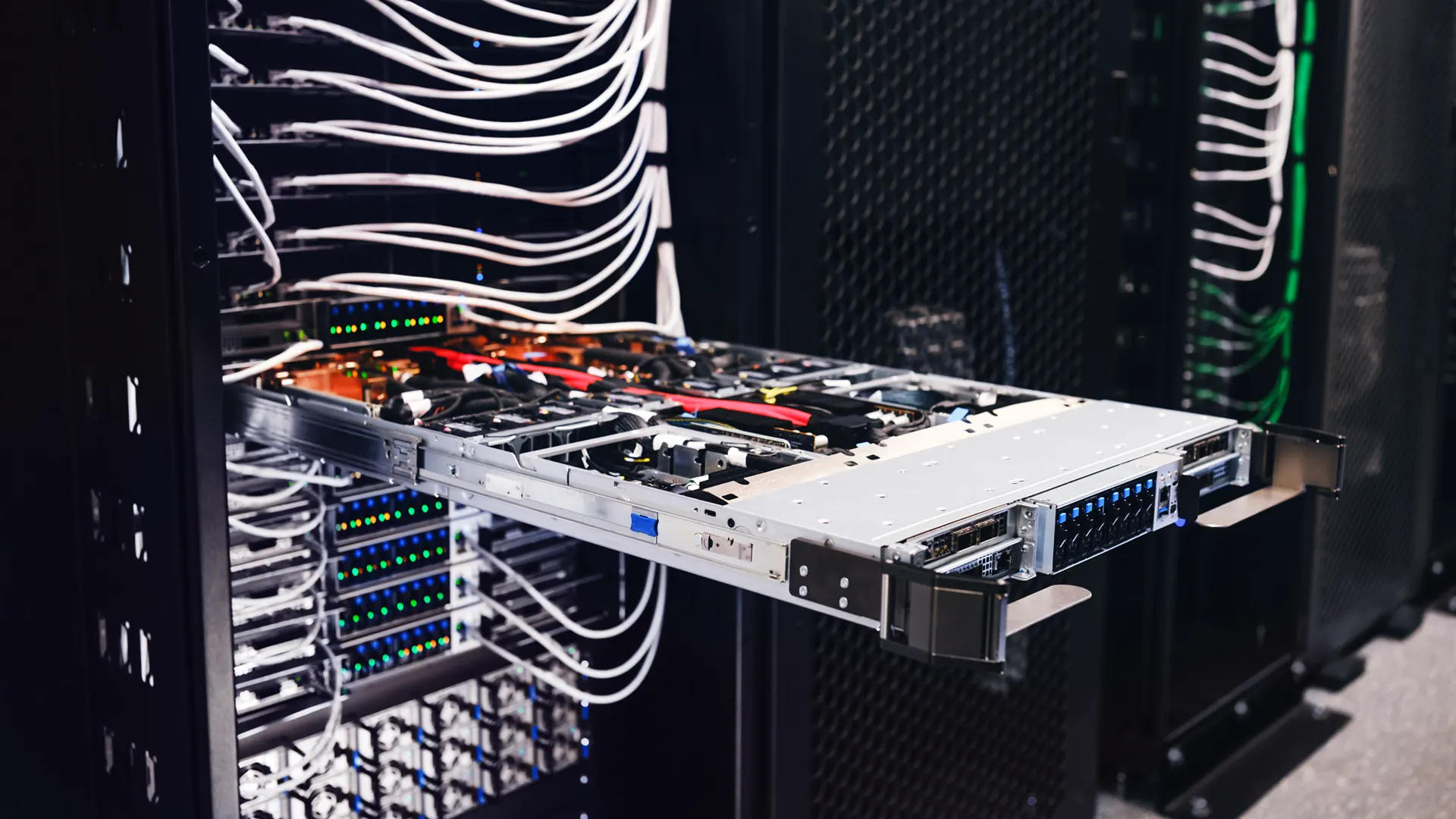
Artificial intelligence has a terrestrial problem: it is unsustainably hungry for power. The solution, announced on August 24, is to simply leave the planet. SpaceX and NVIDIA have teamed up to launch space-optimized "Vera Rubin" NVL72 computing systems into orbit by late 2027.
“Our design is significantly simpler, lower cost, denser and lighter than a traditional rack.”— Elon Musk
By utilizing NVIDIA's 88-core Olympus architecture in a zero-gravity, vacuum environment, these orbital data centers could process agentic AI workloads without taxing Earth's fragile energy grid. It is a massive paradigm shift. You no longer need to build sprawling, power-guzzling facilities in the desert if you can beam processing power down from a satellite constellation.
The Rocket Cadence That Pays for It
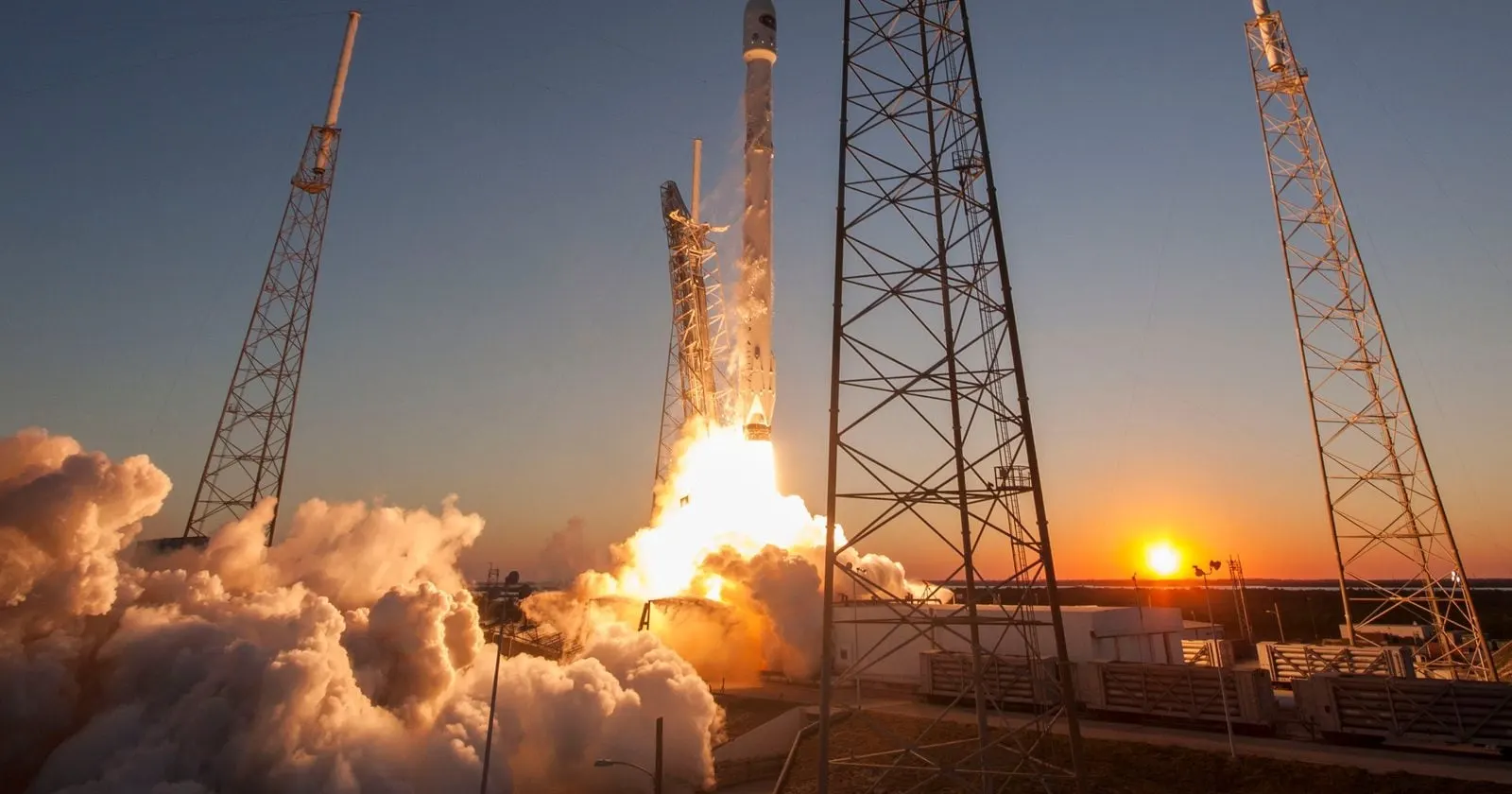
None of this off-world infrastructure works without cheap, reliable freight. Just hours after Musk posted his rallying cry, a Falcon 9 rocket successfully pierced the atmosphere.
To put that pace in perspective, the company flew just 25 missions in all of 2020. They are now launching rockets more than three times a week. This relentless cadence is setting the stage to retire the workhorse Falcon 9 in favor of the fully reusable Starship, which Musk ultimately intends to fly multiple times a day.
Building a multi-planetary infrastructure burns cash at an unprecedented rate. Musk has been actively warning his Wall Street backers to brace for "short-term pain" as he diverts capital away from immediate quarterly profits to fund permanent lunar and Martian outposts.
AI Steps Into the Physical World
While SpaceX looks up, Tesla and xAI are automating the ground. The latter half of August marked a definitive crossover from digital AI to physical AI. Tesla's next-generation "AI 4.5" system will double the memory capacity for its upcoming Robotaxi fleet, pushing the company closer to completely unsupervised Full Self-Driving capabilities.
Simultaneously, internal factory deployments of the Optimus Gen 3 humanoid robot are ramping up, with outward-facing commercial sales officially targeted for late 2027. The digital realm is advancing just as rapidly. The recent debut of xAI's Grok Imagine video-generation tool—which Musk used to generate "bloopers" of Homer’s The Odyssey—proved that AI is closing in on autonomously generating feature-length visual entertainment.
The Price of a Boundless Future
The endgame of this coordinated push is an economy of absolute abundance. Musk's interconnected companies are building a world where dangerous and menial labor is optionally handled by machines, and gigawatts of machine intelligence are beamed directly from orbit to power everyday life.
But this rapid automation brings a looming crisis of purpose. As artificial intelligence and humanoid robotics absorb traditional human tasks, society will be forced into a massive cultural shift. We must stop viewing labor as the primary human metric and start treating AI as a baseline tool that frees humanity to focus on higher-level exploration, arts, and innovation. Fighting hard for a "super amazing" future means building the machines to get us there—but it also means figuring out who we want to be once the heavy lifting is done.
What people are saying

“After approx. 24 days at sea, the SpaceX Recovery team successfully guided Starship to a location just off the coast of Christmas Island. A team of SpaceX engineers is on their way to conduct additional analysis on the vehicle in calmer waters before attempting to return it to”

“NASA’s Roman Space Telescope was encapsulated into Falcon Heavy’s fairing this past week ahead of launch on Sunday, August 30 from pad 39A in Florida →”

“@Starlink Standing down from today’s Starlink launch from Florida and now targeting tomorrow, August 21 for liftoff. Vehicle and payload remain healthy”
Musk's Post-Labor Economy Roadmap
More stories