Samsung Becomes First South Korean Firm to Join the Trillion Dollar Club
A historic surge in AI semiconductor demand and mobile innovation propels the electronics giant to new heights.
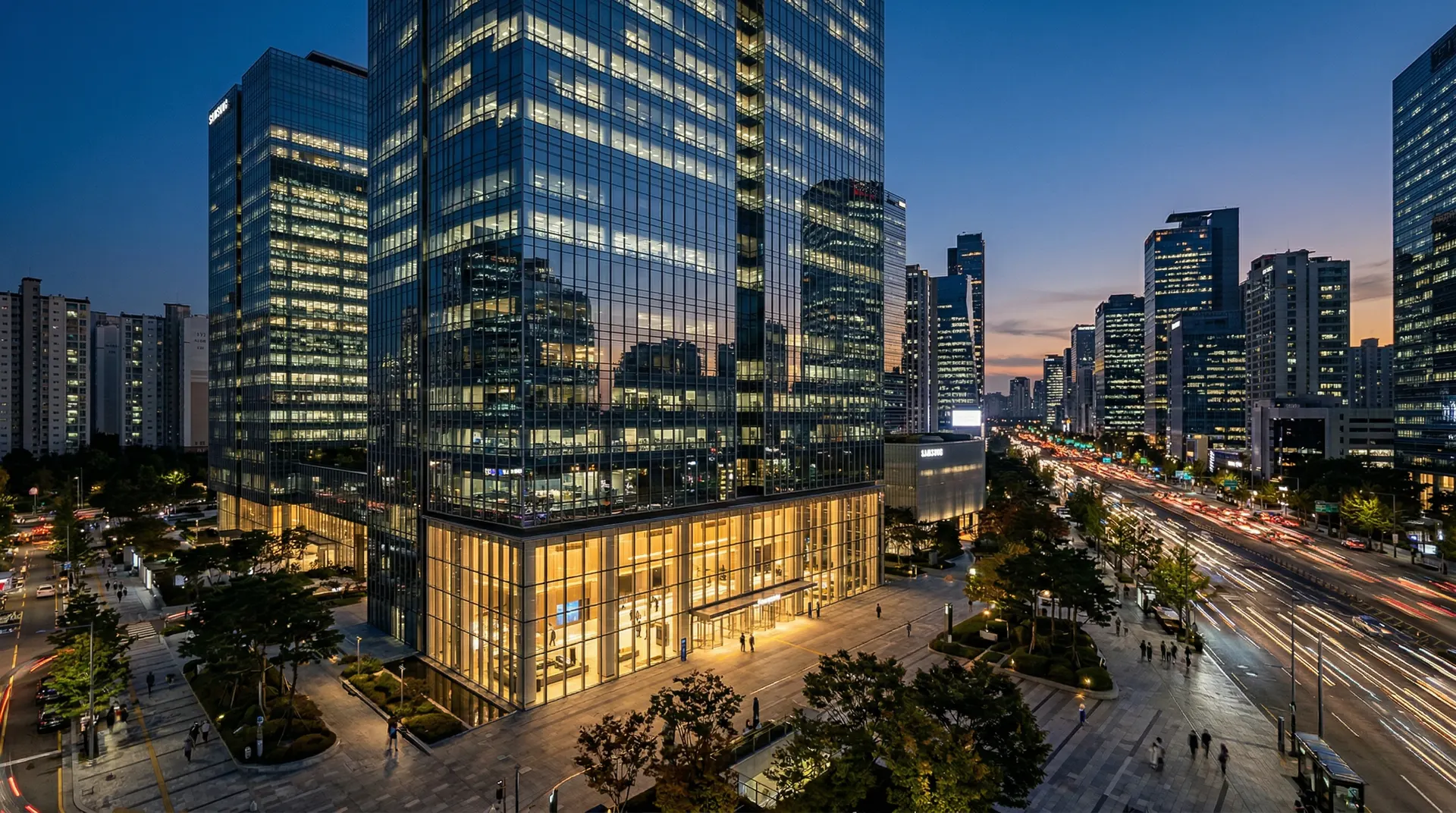
The global technology landscape shifted on February 26, 2026, when Samsung Electronics officially crossed the $1 trillion market capitalization threshold. Driven by an insatiable appetite for AI-ready hardware, the company’s stock price surged to record highs, solidifying its place among the world’s elite corporate titans. This milestone is more than just a financial record; it represents a fundamental re-evaluation of South Korea’s industrial might on the world stage.
The Silicon Engine: AI and the HBM4 Revolution
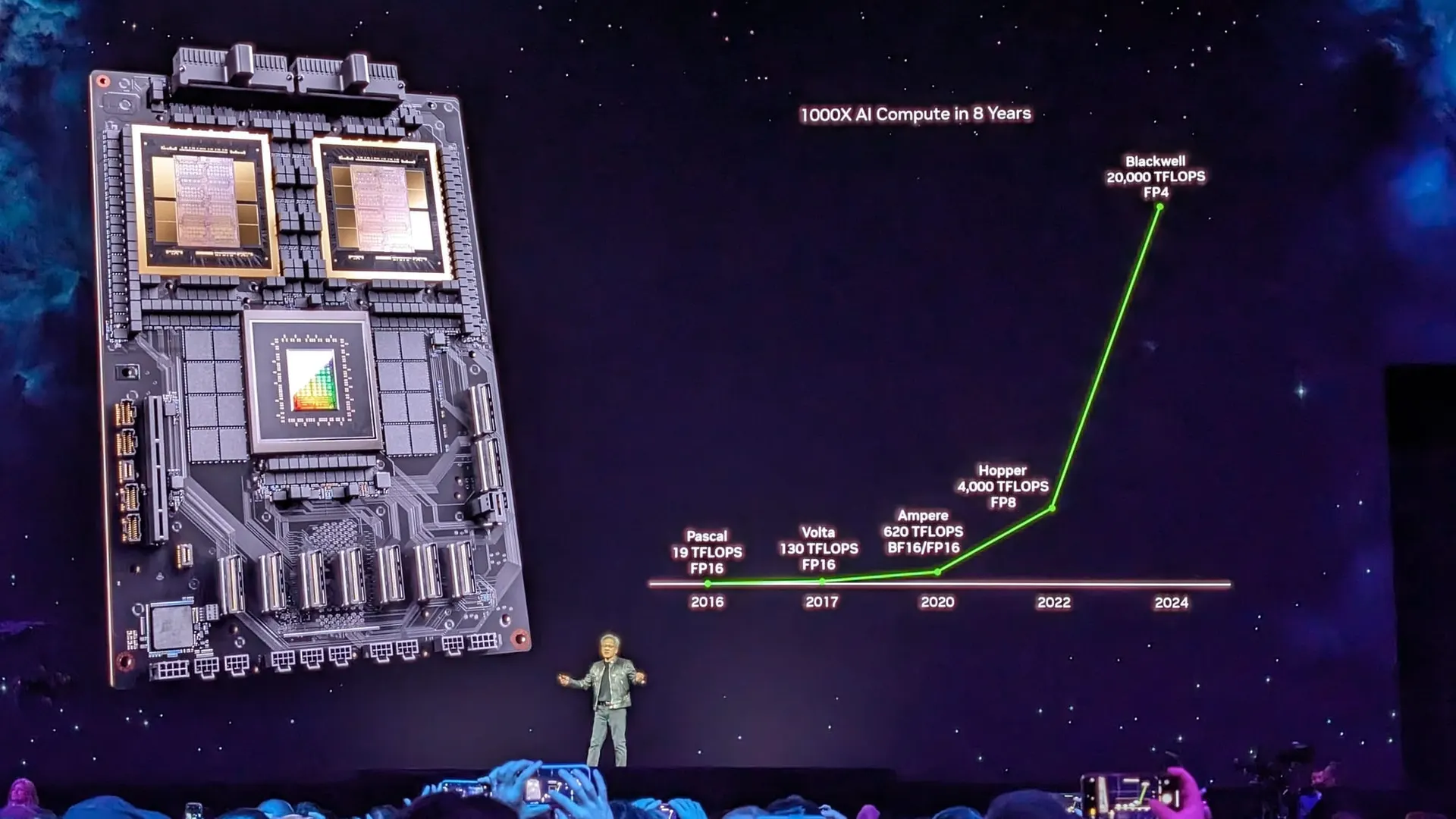
The primary engine behind this valuation leap is Samsung’s dominance in the High-Bandwidth Memory (HBM4) market. As artificial intelligence infrastructure expands globally, these specialized chips have transitioned from niche components to the essential backbone of modern computing. Analysts from Morgan Stanley have noted a structural shift in the industry, where memory demand is no longer just a cyclical wave but a high-growth fundamental necessity.
“memory demand is no longer just a cyclical wave but a high-growth fundamental necessity.”
The "Nvidia Catalyst" played a crucial role in this ascent. Massive revenue reports from the American chip designer sparked a buying frenzy across Asian supply chains, with investors betting on Samsung’s ability to provide the hardware required for next-generation data centers. On the day of the milestone, Samsung shares closed at a record 218,000 won, a 7.13% single-day jump that pushed the firm past global giants like Walmart and Eli Lilly.
Beyond Chips: Foundry Success and the Galaxy S26
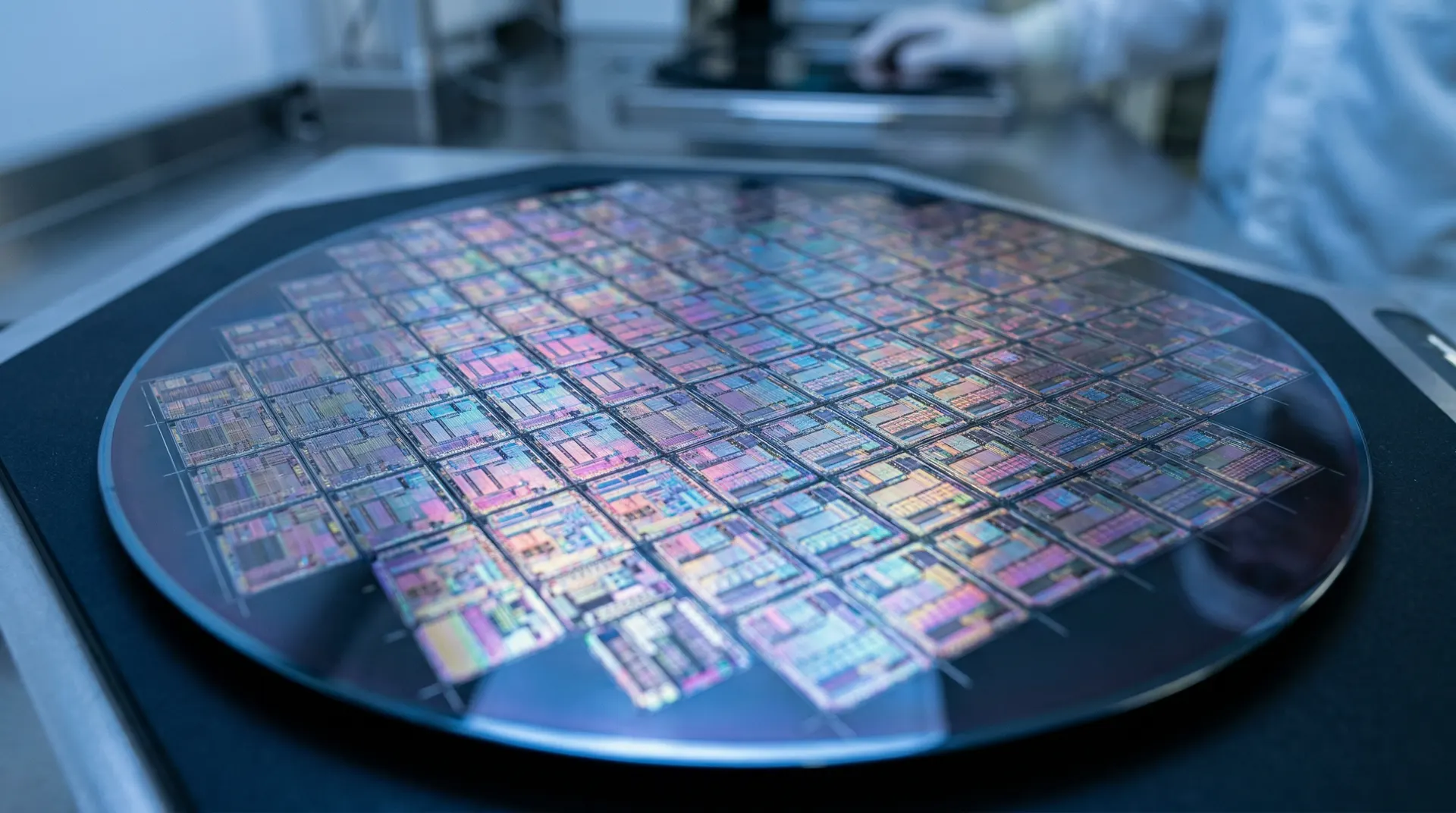
While semiconductors provided the momentum, Samsung’s diversified strategy ensured the breakthrough. The company’s foundry division, which manufactures chips designed by other firms, recently secured multi-billion dollar contracts with industry leaders like Tesla and Apple. This success has helped mitigate the historical "Korea Discount," a term used to describe how South Korean firms were often undervalued due to governance and geopolitical concerns compared to their global peers.
On the consumer side, the launch of the Galaxy S26 series provided the final push needed to cross the trillion-dollar line. Featuring "Agentic AI"—software that proactively assists users rather than just reacting to commands—the flagship device proved that Samsung remains a pioneer in mobile innovation. For Chairman Lee Jae-yong, the rally was also personal; his individual stock holdings reached a historic 40.6 trillion won, marking a new era for one of the world's most influential business dynasties.
Seoul Joins the Club
More stories