OpenAI Bypasses the Visual Web — and Hands Developers a 10-Day Deadline
By baking WebMCP into ChatGPT, OpenAI is turning websites from readable pages into executable menus for agents. Purists are furious.
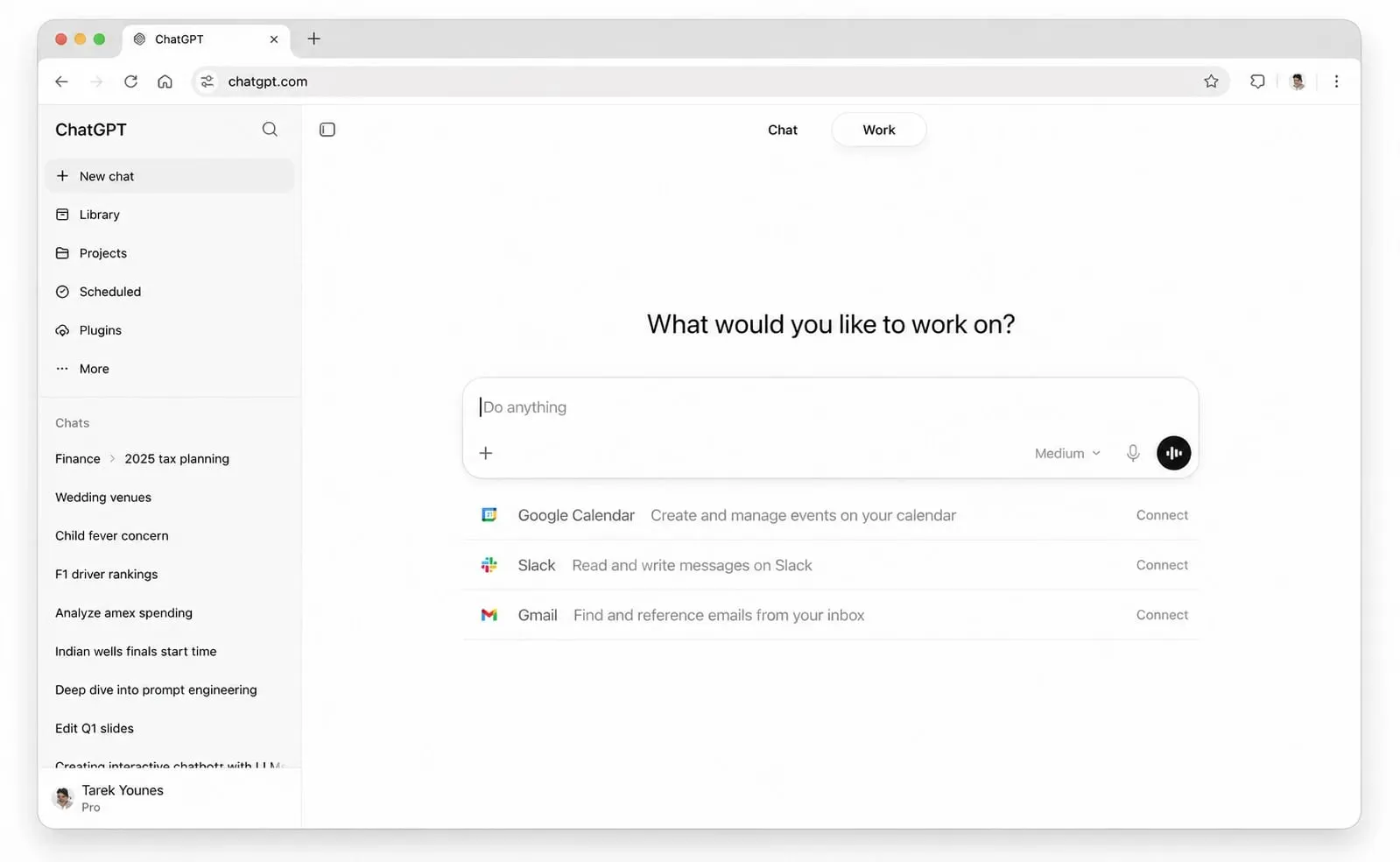
An AI agent buying shoes online used to rely on visual guesswork, scanning thousands of pixels to deduce which rectangle meant "checkout." That era ended this week. OpenAI updated its ChatGPT desktop app and ChatGPT Sites builder to support WebMCP, a protocol that strips away the visual interface entirely. The internet is quietly splitting in two: a visual layer for humans with eyes, and an invisible, executable layer for machines.
The Ten-Day Sprint
To force this standard into existence, OpenAI is bypassing organic adoption. The company launched a global developer sprint backed by a $5,000 prize pool and three million computing credits.
Partnering with infrastructure giants like Netlify, Cloudflare, and Vercel, OpenAI wants to establish a new normal by September 3, 2026. The goal is to rapidly populate the internet with web apps explicitly designed for human and AI operation at the same time. A user browses the visual site, while ChatGPT inherits their authenticated session to execute tasks in the background. Web developer Wes Bos immediately seized on the concept, building a 3D modeling app where he and an AI share control.
“Websites expose tools, your agent can use them, or you can just use the app like a human. Probably both! I'm calling it Clicks-n-clankers™.”— Wes Bos
Bos's optimism captures the ideal outcome: frictionless utility where AI handles the drudgery. But enabling that future requires fundamentally rewriting how a webpage operates.
The Architecture of an Agent Web
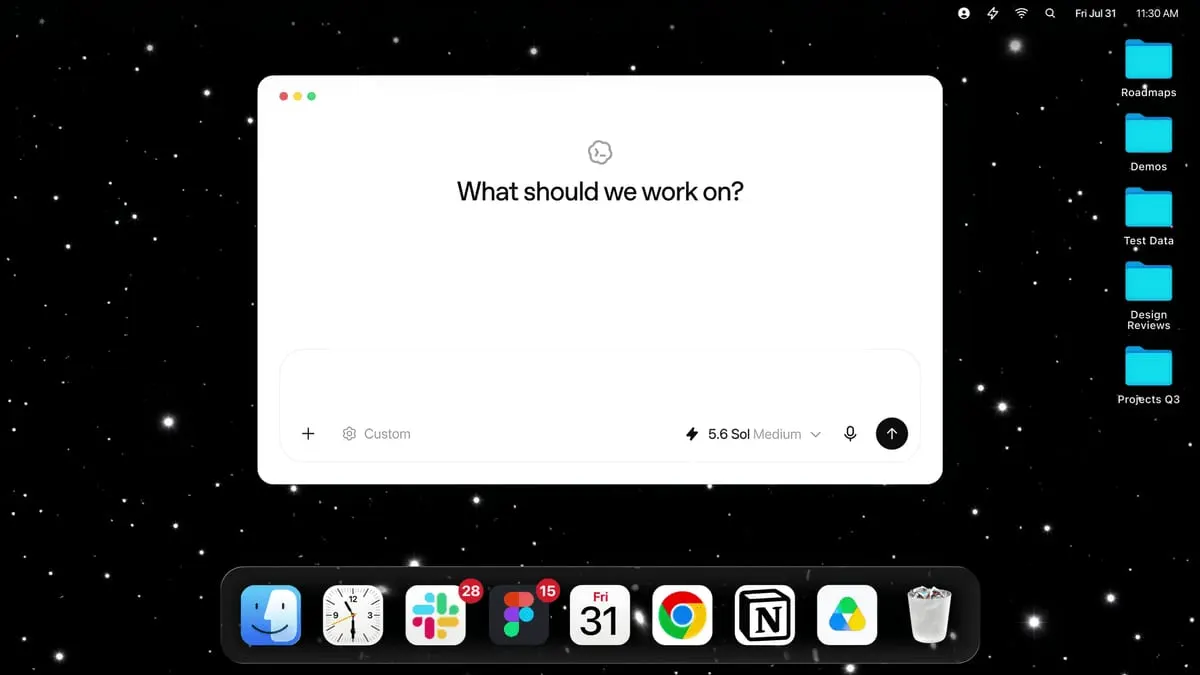
Historically, an AI agent attempting a task online behaved like a tourist squinting at a foreign street sign. It relied on visual actuation, simulating a human mouse click and hoping the layout hadn't changed. The moment a company redesigned its checkout page, the bot broke.
Web Model Context Protocol solves this by ignoring the visual layout altogether. Instead of forcing an AI to read a website like a magazine, WebMCP turns the site into a digital restaurant menu. The website hands the agent a direct, machine-readable list of backend actions to execute instantly, such as `search_database` or `add_to_cart`.
Because this protocol is now natively supported in ChatGPT's desktop browser and the ChatGPT Sites builder, the agent doesn't need to log in separately. It piggybacks on your active, authenticated session. The internet shifts from a directory of readable documents to an engine of executable actions. Yet that sheer mechanical efficiency has triggered a visceral reaction from the people who actually build the web.
What people are saying

“We’re adding support for WebMCP in the ChatGPT desktop app’s built-in browser and ChatGPT Sites. When you visit a compatible website, ChatGPT or Codex can automatically use it to complete your task. Update to the latest version of the ChatGPT desktop app, then just ask Codex to”
“Teams are using the open-source Codex harness to bring agents into the tools they already use, from internal apps to operations dashboards. Their applications control the interface, context, tools, and approvals while the harness handles the agent loop.”

“UA spoofing is back on baby, for only $0.00 you too can be OpenAI File Downloader, XaiImageApiFetch/1.0 Some sites like LinkedIn even remove their click-bait/paywall garbage if you're Claude-User”

WebMCP Ends Visual Guesswork
More stories