Meta Partially Reverses Shutdown of Horizon Worlds VR Platform
After initially announcing a total VR exit, Meta will keep Horizon Worlds running as it pivots toward mobile-first development.
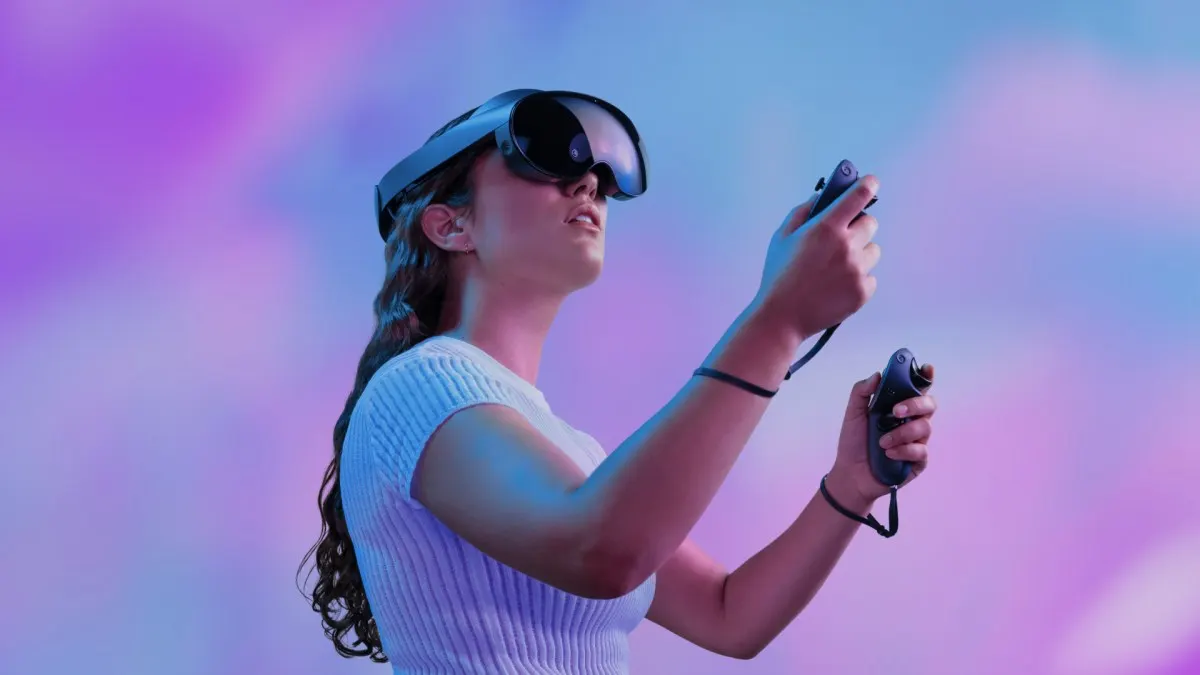
In a whiplash-inducing reversal that highlights the volatility of its multi-billion dollar metaverse bet, Meta has abandoned plans to shutter its flagship Horizon Worlds platform for VR users. Following an outcry from its core community, CTO Andrew Bosworth confirmed that while the company is ending development on new VR-based content, the current virtual environment will remain active. The decision marks a sobering pivot for a company that once framed virtual reality as the definitive successor to the smartphone.
The High Cost of the Metaverse
The confusion began with a stark announcement: Meta would remove Horizon Worlds from its Quest Store and effectively sunset the VR experience on June 15, 2026. For a company that rebranded itself around the concept of the metaverse in 2021, the move appeared to be the final chapter of a struggling project. Reality Labs, the division tasked with building this virtual future, has been a massive financial drain, recording operating losses nearing $80 billion over the past five years.
Meta’s retrenchment has been both aggressive and painful. In early 2026, the company slashed roughly 1,500 jobs, or 10% of the Reality Labs workforce, and shuttered several internal game studios like Sanzaru Games and Twisted Pixel. By shifting its focus, Meta is acknowledging a harsh reality: proprietary hardware barriers have hampered mass-market adoption. While Zuckerberg’s initial vision relied on a VR-first future, competitors like Roblox have proven that high-engagement virtual spaces thrive best when they are accessible on the mobile devices people already own.
A Future Defined by AI, Not Just Avatars

The survival of Horizon Worlds in VR is less a victory for the metaverse and more a graceful exit from an untenable strategy. Meta is clearly rerouting its vast resources toward Artificial Intelligence and AI-integrated hardware, such as the popular Ray-Ban Meta smart glasses. The company’s focus has sharpened: if the users are on mobile, that is where the platform must be, and if the technological gold rush is in AI, that is where the capital must flow.
“even a trillion-dollar roadmap cannot force user behavior.”
This episode serves as a vital lesson in the evolution of big tech: even the most monolithic companies must eventually bend to the data. As Meta pivots, the lesson for the broader industry is that even a trillion-dollar roadmap cannot force user behavior. The future of digital interaction will likely not be a single, monolithic virtual world, but rather a hybrid of mobile accessibility and AI-driven utility. Meta isn't giving up on the future; it is simply realizing that the path there is paved with pragmatism, not just immersion.
The Metaverse Bet, Rewound
More stories