GrapheneOS Ends Pixel Monopoly With Upcoming Motorola Razr Alliance
The privacy-first operating system is bringing seven years of security updates to Snapdragon-powered Motorola flagships, officially breaking its reliance on Google hardware.
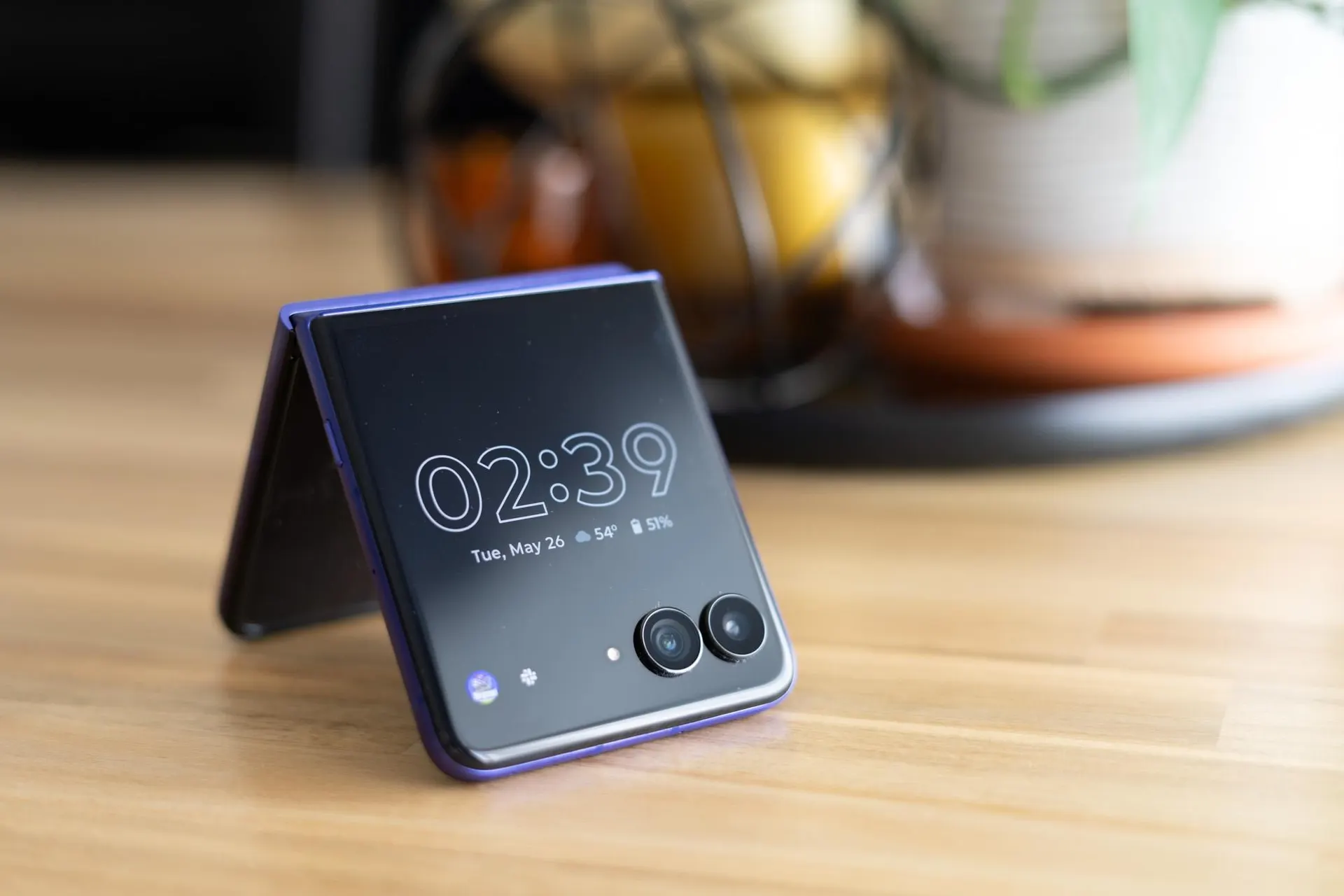
For years, privacy advocates chasing the ultimate secure smartphone faced a spectacular irony: to run GrapheneOS—the world's most aggressively de-Googled mobile operating system—you had to buy a Google Pixel. That frustrating monopoly is finally fracturing. GrapheneOS is officially partnering with Motorola to launch fully supported devices in 2027, starting with premium flagships before expanding to the iconic Razr foldable lines.
The Hardware Defection
The relationship between GrapheneOS and Google has been quietly fraying. Developers at the privacy foundation have openly voiced frustrations over Google making access to open-source Android code increasingly cumbersome, alongside recent Pixel hardware decisions. So, GrapheneOS looked elsewhere for a reliable hardware foundation. Enter Motorola. The Lenovo-owned hardware giant isn't just offering lip service; they are actively removing the friction that typically plagues custom operating systems.
"Motorola is doing a large portion of the work of porting GrapheneOS to their devices," the GrapheneOS Foundation stated in a recent Mastodon thread. "They'll provide us with what we need for firmware/drivers in the form we need it and it will be far easier than Pixels."
The shift to Motorola means a return to premium Qualcomm Snapdragon silicon, specifically the anticipated Snapdragon 8 Elite Gen 6 series. This transition isn't about raw speed; it is about absolute hardware-level isolation. GrapheneOS requires rigorous security features, specifically mandating Memory Tagging Extension (MTE) and enhanced secure element integration. By shifting away from Google's Tensor chips, GrapheneOS can leverage superior component isolation for cellular, Wi-Fi, and Bluetooth radios—a crucial defense mechanism against remote attacks. While Motorola's 2026 devices narrowly missed the mark on these strict requirements, the 2027 timeline guarantees the hardware will be ready for enterprise-grade hardening.
The Price of Absolute Privacy
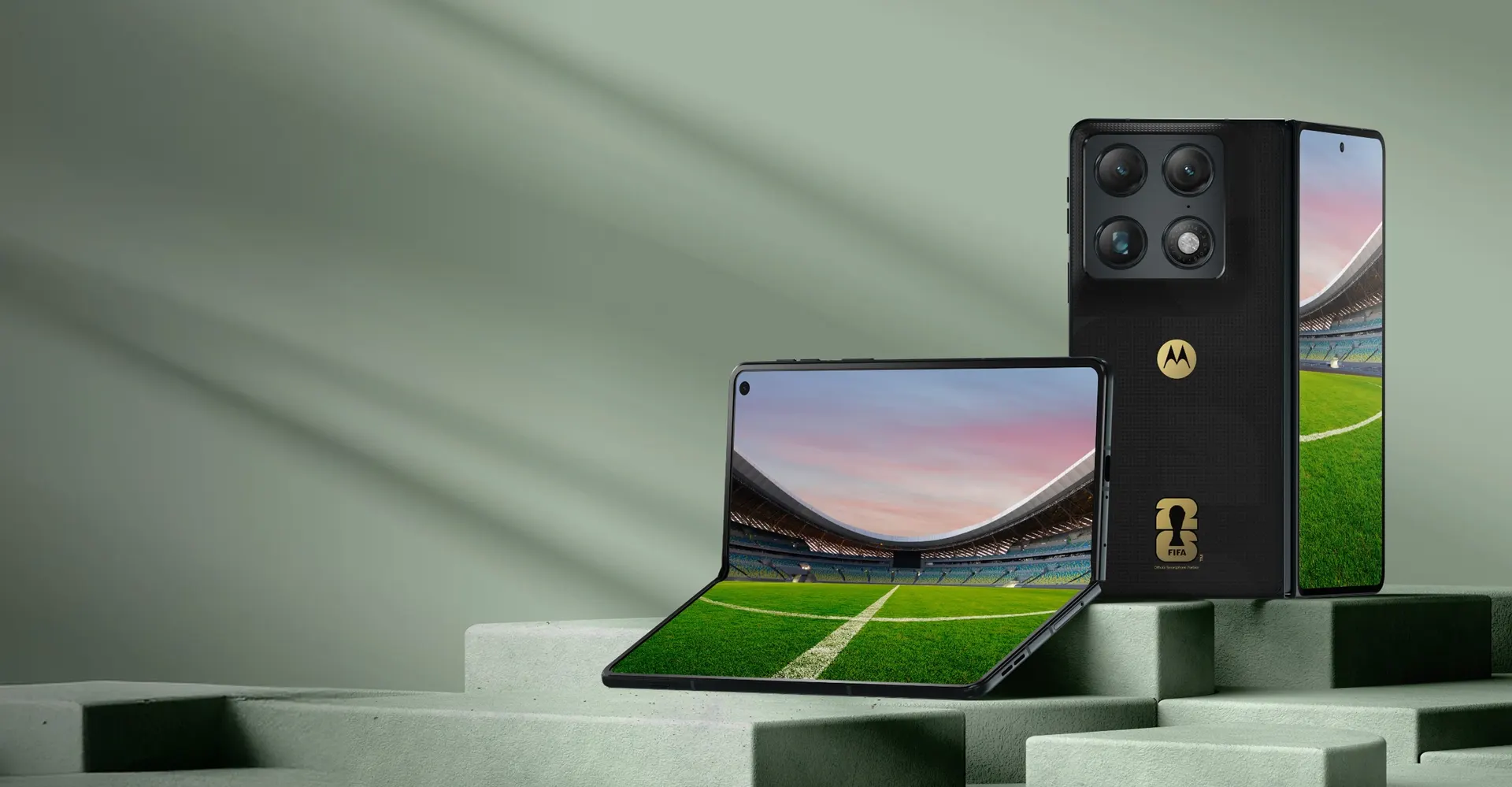
This transition will fundamentally alter the secure smartphone market, but it comes at a literal cost. Because GrapheneOS refuses to compromise on hardware security protocols, these initial Motorola devices will be top-tier flagships. Buyers should expect prices well north of the $900 starting point of Google's current Pixel 11 lineup. The era of cheap, entry-level privacy phones—like flashing GrapheneOS onto a budget Pixel "a" series—might be on pause until Qualcomm trickles advanced security features down to mid-range chips.
But the tradeoff is a massive leap forward in consumer choice and device longevity. Motorola and GrapheneOS are mandating a staggering seven years of proper software and security updates, starting with the Linux 6.18 LTS kernel. Furthermore, by targeting future iterations of the Razr Fold and Razr Ultra, they are introducing a radically new form factor to the privacy community: a compact, highly secure flip phone built for quick, one-handed use.
“They'll provide us with what we need for firmware/drivers in the form we need it and it will be far easier than Pixels.”— GrapheneOS Foundation
Ultimately, this partnership proves that consumer appetite for digital sovereignty has matured past niche hobbyist forums. This collaboration echoes the brief but beloved era of "Google Play Edition" phones a decade ago, where manufacturers offered bloat-free Android. But today, the script has completely flipped: a hardware giant is working directly with an open-source non-profit to strip Google out entirely. By decoupling the world's most secure operating system from the world's most pervasive data company, GrapheneOS is building a template for hardware independence. "It's very realistic to provide better security than Pixels against remote attacks," the Foundation noted. In 2027, they plan to prove it.
What people are saying

“‼️ BREAKING: The Netherlands Forensic Institute has found a way to crack Google Pixel phones, though it did not say which OS the phone was running. There is a high chance they were using an OS like GrapheneOS, since all three suspects were using Google Pixel phones. Or perhaps”


““With the Pixel 11 devices, there's a new feature called Rambler—an upgraded, AI-powered voice-to-text feature—that is smarter than anything you've probably used before.” — @WIRED, who used Rambler to write part of their review 🤯”

“El mejor adaptador inalámbrico para Android Auto, el Motorola Drive MA2, está de oferta en Amazon a menos de 40 euros”
The GrapheneOS Hardware Shift
More stories