El Salvador Doubles Down on Sovereign AI and Compute Infrastructure
By securing the first sovereign order of NVIDIA B300 chips and integrating Grok into schools, El Salvador is betting its future on a high-stakes technological leap.
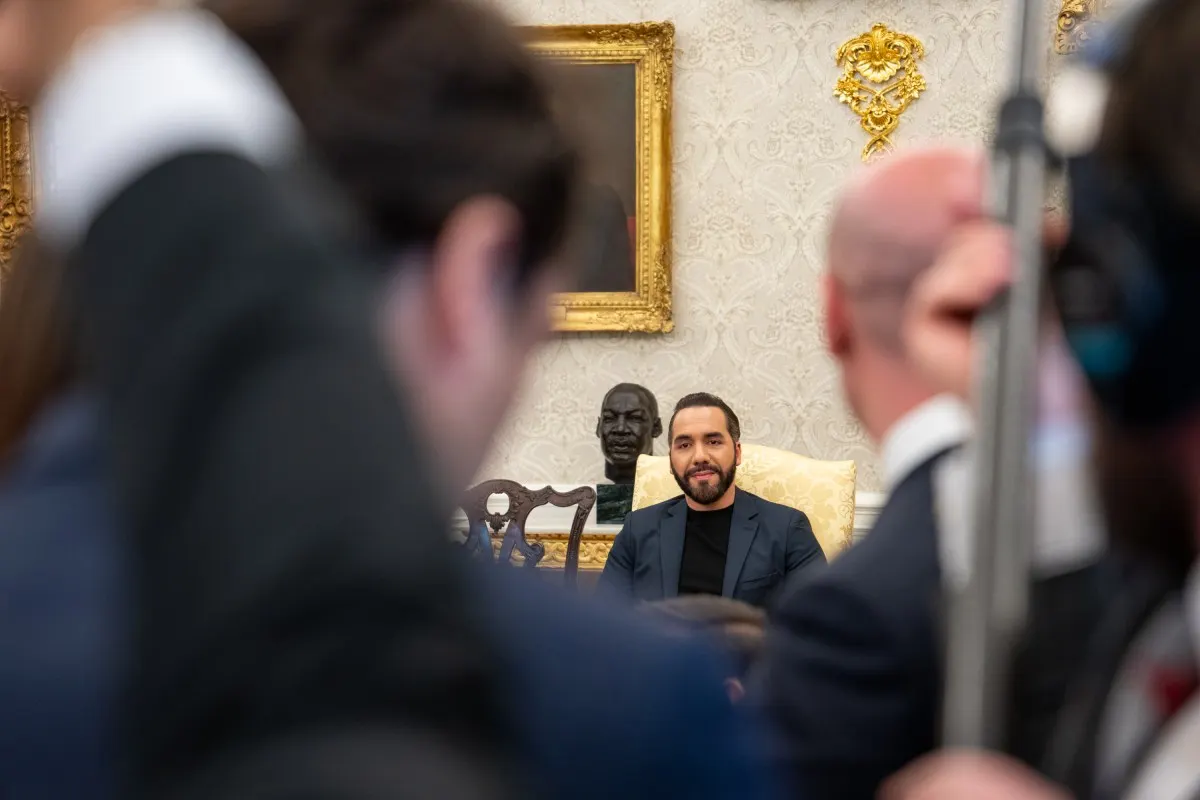
In the span of just a few years, El Salvador has pivoted from a nation struggling with systemic instability to a global laboratory for digital-first governance. Under President Nayib Bukele, the country is now pushing a bold strategy: combining localized AI infrastructure with a hyper-pro-business regulatory environment. It is a high-wire act designed to turn a small nation into a formidable technological powerhouse.
The Compute-First Strategy
The cornerstone of El Salvador's new industrial policy is not just legislation, but raw physical compute power. In June 2025, the country made headlines by securing the first sovereign order for NVIDIA’s B300 chips through a partnership with infrastructure firm Hydra Host. This investment isn't merely for show; it is the engine for a National Artificial Intelligence Laboratory tasked with achieving what officials call 'sovereign AI'—the ability to train and run models without reliance on foreign data centers.
To ensure this technology permeates the populace, the government has launched an ambitious integration of xAI’s Grok chatbot into more than 5,000 public schools. The initiative aims to provide AI-powered tutoring to over one million students, signaling a desire to cultivate a future workforce that is natively fluent in generative AI. By pairing this education push with the 'Law for the Promotion of Artificial Intelligence and Technologies,' which offers legal protection for developers and intellectual property rights, Bukele is effectively rolling out a red carpet for global tech talent.
The Road Ahead: Innovation vs. Scrutiny
This rapid modernization is not without friction. Critics point to the inherent risks of deploying models like Grok in classrooms, citing concerns over AI bias and safety for young users. Furthermore, the 'state of exception' that has fundamentally reshaped the country’s security landscape continues to draw ire from international human rights organizations concerned with due process and the consolidation of executive power.
“El Salvador is positioning itself as an emerging market 'Dubai 2.0.'”
However, for investors and tech pioneers watching from abroad, the trade-off is increasingly clear. With 0% tax on foreign-sourced income, a dollarized economy, and a leadership willing to bypass bureaucratic stagnation, El Salvador is positioning itself as an emerging market 'Dubai 2.0.' Whether this aggressive model of sovereign tech investment translates into sustainable long-term prosperity—or creates a volatile dependency on high-end hardware—remains the ultimate question for this ambitious Central American pivot.
El Salvador's Sovereign AI Bet
More stories