BYD Cracks the 10-Minute Charging Barrier With Blade Battery 2.0
New 1,500 kW charging ecosystem delivers a 97% charge in just nine minutes, matching the convenience of a gas station stop.
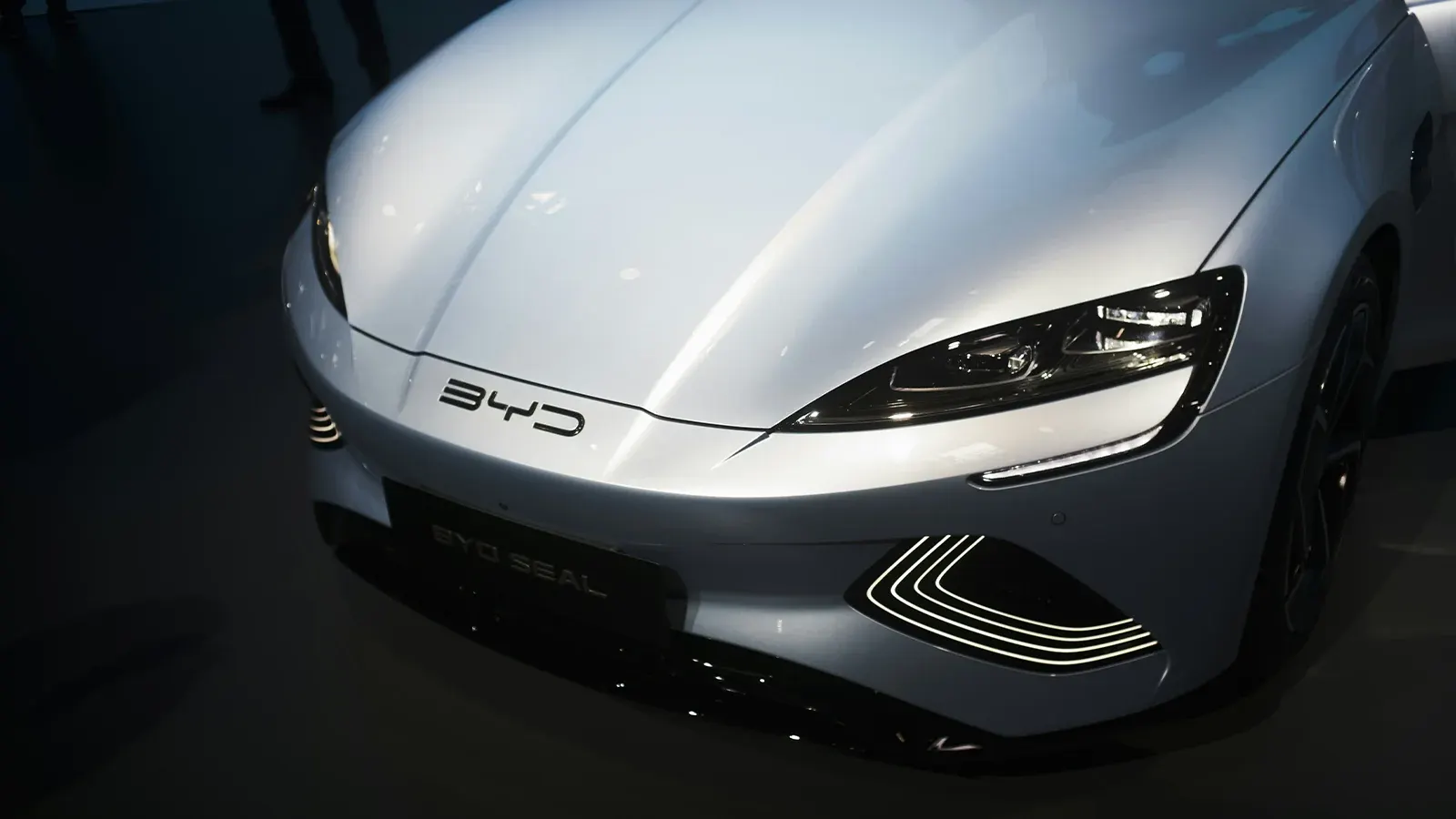
The biggest psychological hurdle for electric vehicle adoption has always been the 'refueling' experience. Today, BYD effectively dismantled that barrier. By unveiling its Blade Battery 2.0 and a high-power 1,500 kW 'Flash Charging' network, the company has proven that waiting an hour for a charge is becoming a relic of the past.
Engineering the Future of Fast Charging
At the heart of this development is the new Lithium Manganese Iron Phosphate (LMFP) battery architecture. With an energy density of roughly 210 Wh/kg, the Blade Battery 2.0 doesn't just store more power; it manages thermal and electrical throughput at unprecedented rates. The result is a charging curve that remains aggressive right up to the 97% mark, a deliberate stopping point that leaves room for regenerative braking to maximize overall energy efficiency.
The real wow factor is in the speed. Under optimal conditions, users can go from 10% to 70% in five minutes, with a full 97% charge achievable in just nine minutes. Even in the biting cold of -30°C, the system only adds three minutes to the process, hitting a 97% charge in 12 minutes. This is a massive leap forward for reliability in climates where EVs have historically struggled.
Safety remains front-and-center. Despite the massive power intake—supported by the company’s 1,000V 'Super e-Platform'—the battery has passed grueling 'Flash Charging and Nail-Penetration' testing. BYD reports no thermal runaway, smoke, or fire, reinforcing that the speed boost hasn't come at the expense of stability.
The Road to Ubiquity
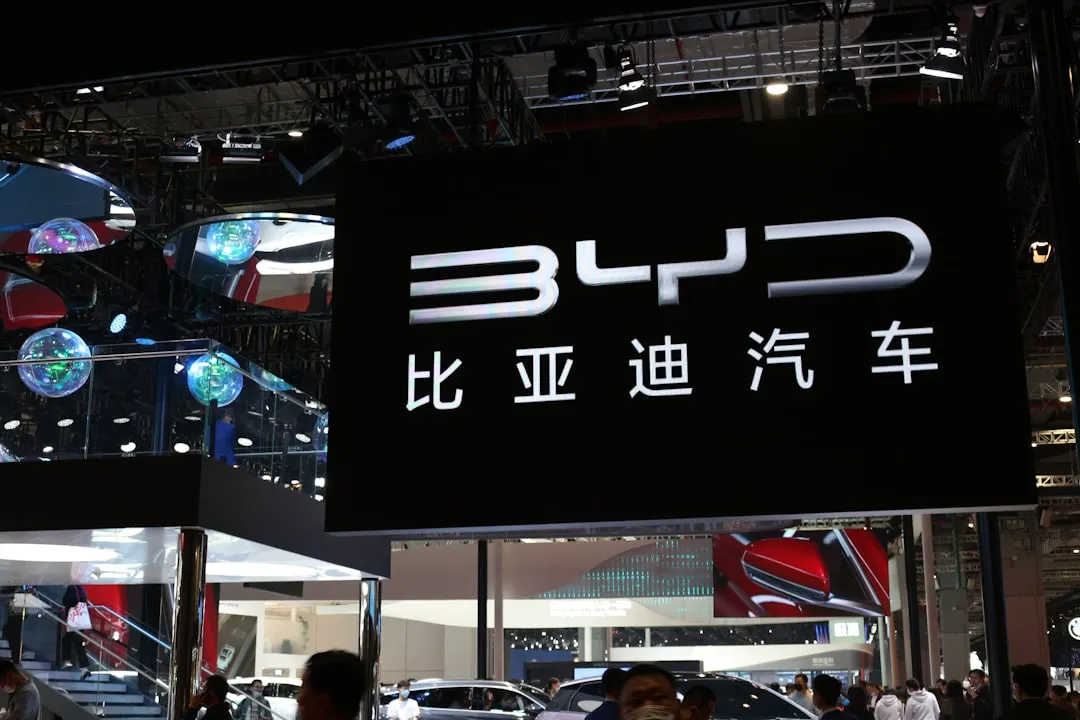
BYD isn't just selling a battery; it is building an ecosystem. By designing 'Flash Charging' stations that are as simple to install as an air conditioner, the company aims to roll out 20,000 stations by the end of 2026. Crucially, these stations leverage integrated energy storage to buffer grid demand, allowing for rapid deployment without requiring massive, slow-moving utility upgrades.
“charging an EV is no longer a lifestyle compromise, but a quick, seamless errand.”
This shift mimics the early days of the gasoline engine, where the growth of refueling networks turned a novelty into a necessity. By bundling this tech into mass-market vehicles—not just luxury models like the Yangwang U7—BYD is forcing its competitors to play catch-up. For the consumer, this means the '1,000 km range' vehicle is no longer a spec sheet fantasy; it is a practical, usable reality for road trips.
While logistical challenges and international tariff hurdles persist, the message is clear: the convenience gap between EVs and internal combustion engines is closing rapidly. We are moving toward a world where charging an EV is no longer a lifestyle compromise, but a quick, seamless errand.
The Nine-Minute Fill-Up
More stories