Amazon Takes on Retail Giants With New One-Hour Delivery Service
By opening 1-hour and 3-hour delivery to thousands of cities, Amazon is effectively turning its logistics network into a hyper-local neighborhood store.
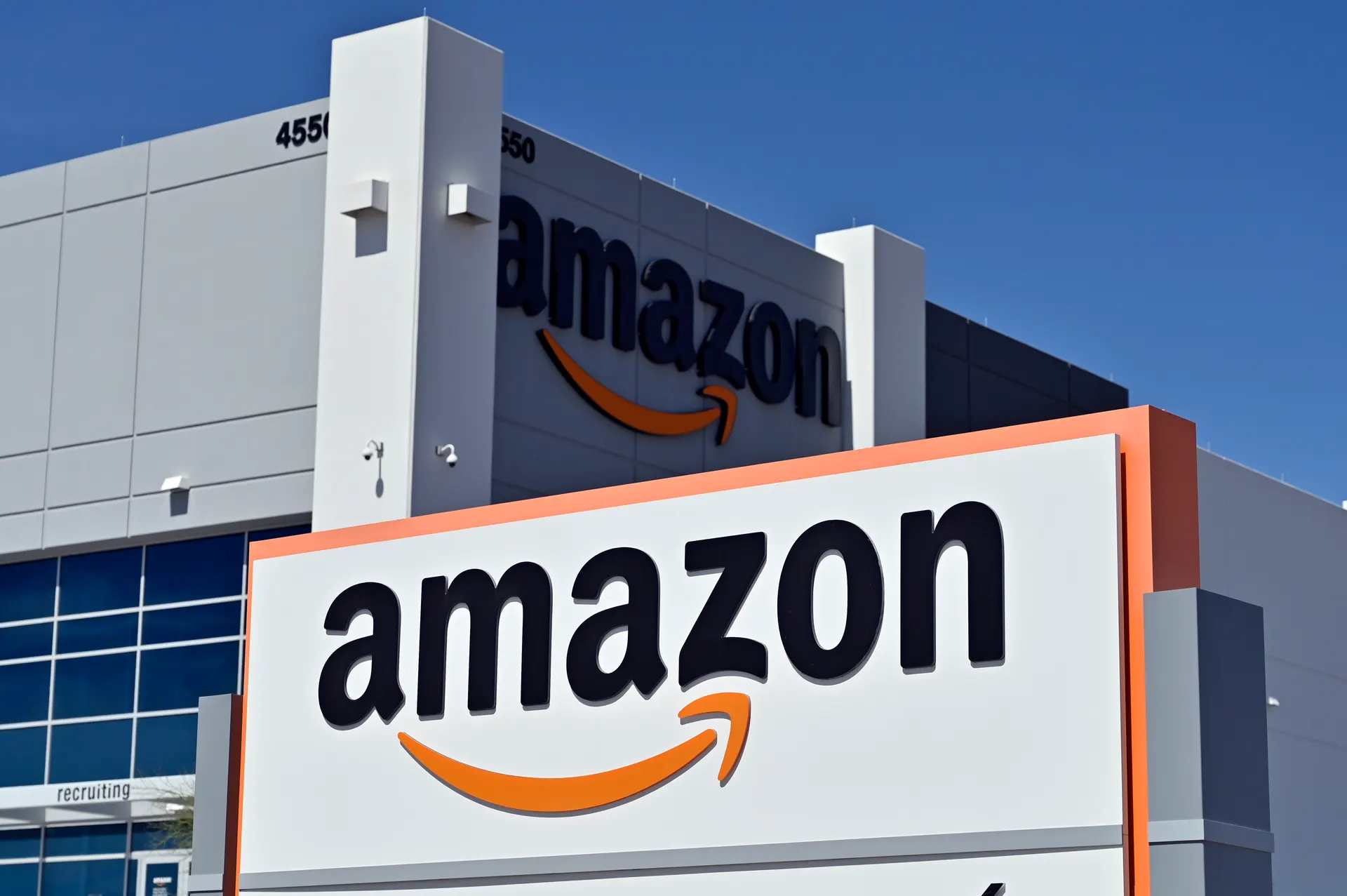
The clock is ticking on the traditional retail store run. As of March 2026, Amazon has officially rolled out a one-hour delivery service across hundreds of U.S. cities, signaling a massive shift in how we procure household essentials. This isn't just about faster shipping—it's a direct challenge to the brick-and-mortar supercenters that have long relied on their physical proximity to win the battle for consumer convenience.
The Logistics of Immediacy
The expansion covers over 90,000 items, ranging from pantry staples and health supplies to electronics and toys. By integrating this capability into its existing 'Same-Day' fulfillment network, Amazon is leveraging years of investment in AI-driven inventory management and regionalized distribution. This infrastructure allows the company to pivot from standard fast shipping to hyper-fast, on-demand logistics without the need to build out an entirely new fleet of facilities.
Udit Madan, Amazon's Senior Vice President of Worldwide Operations, framed the move as a necessity for the modern, time-strapped consumer. 'Our customers are busier than ever,' Madan noted, emphasizing that the service is designed to keep households running with minimal friction. For Prime members, the convenience carries a fee of $9.99 for one-hour delivery and $4.99 for three-hour service, creating a tiered system that tests just how much consumers are willing to pay for near-instant gratification.
Redefining the Delivery War

This rollout marks the next phase of the 'delivery wars,' a transition from the benchmark of same-day shipping to the new standard of same-hour expectations. By effectively bridging the gap between digital ordering and the immediacy of physical retail, Amazon is forcing competitors like Walmart to either double down on their own logistical capabilities or risk losing high-frequency customer segments. The strategy turns every regional distribution center into a pseudo-supercenter, capable of reaching customers faster than they can drive to a local store and navigate the checkout aisle.
“the winners in this space will be defined not just by their inventory, but by the sheer velocity of their reach.”
The real test will be whether this speed is sustainable at scale. Rapid turnaround times introduce immense logistical complexity, and the current fee structure suggests Amazon is actively testing the price elasticity of extreme convenience. If the model proves profitable, it could fundamentally alter shopping habits, turning digital storefronts into the primary choice for everything from emergency medicine to late-night snack runs. As these service levels become the new normal, the winners in this space will be defined not just by their inventory, but by the sheer velocity of their reach.
The Store Comes to You
More stories